
Non-Triggering Alternatives to Strict Calorie Counting Apps
Snacko is the food tracking app that makes healthy eating effortless. Join thousands building better eating habits every day.

Picture this: you're standing in your kitchen at 8 PM, phone in hand, trying to figure out if you can "afford" that apple you're craving. The calorie counting app is glaring at you with red numbers, and suddenly a piece of fruit feels like failure. I've been there, and honestly? It's exhausting.
Here's what I've learned after years of watching friends (and myself) get trapped in the calorie counting spiral: there are so many better ways to stay healthy without turning every meal into a math equation that makes you feel guilty about basic nutrition.
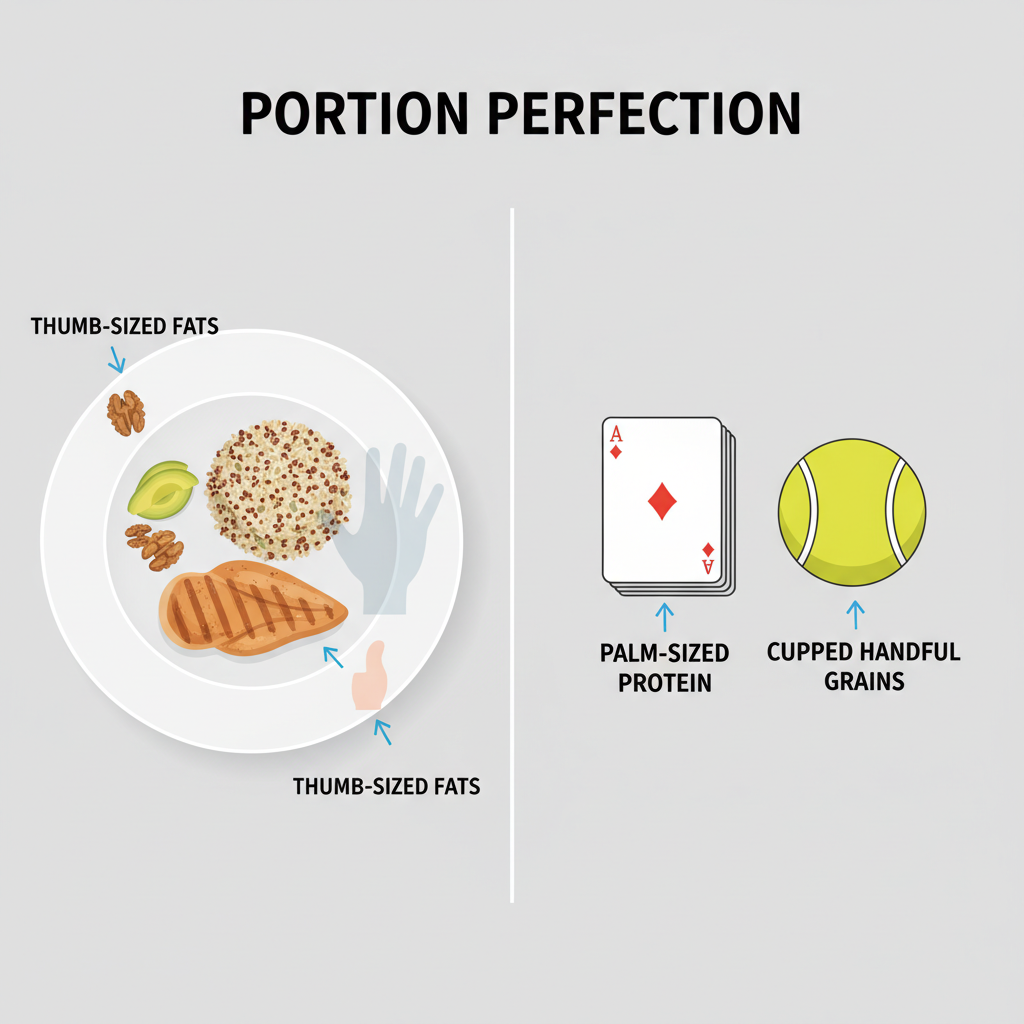
Visual Portion Guides That Actually Work in Real Kitchens
I've tested dozens of portion guides, and most are useless. Here's what actually works when you're standing in your kitchen holding a plate:
The Hand Method (Modified) Your palm = protein portion. Your cupped hand = carbs like rice or pasta. I ignore the "thumb = fat" rule because who measures olive oil with their thumb?
The Plate Quarters Half vegetables, quarter protein, quarter starch. Simple enough that I can eyeball it even when I'm tired after work.
Real Kitchen Comparisons Tennis ball = medium apple. Deck of cards = chicken breast. I keep these mental images handy instead of measuring everything like I'm conducting a science experiment.
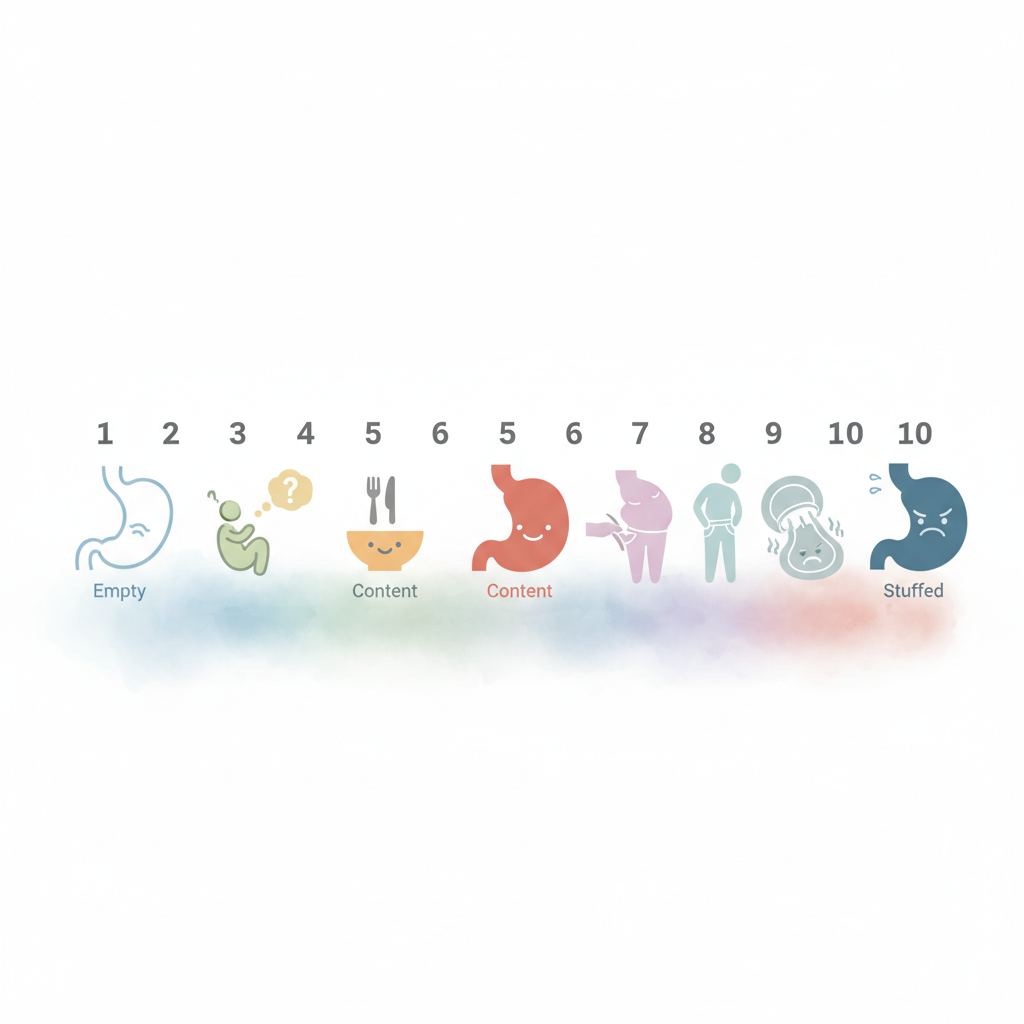
Hunger Scale Navigation: Reading Your Body's Actual Signals
Basic Level: The Simple 1-10 Check I started with just asking myself "How hungry am I, 1 to 10?" before eating. At first, I was terrible at this—everything felt like a 7. But after a few weeks, I could actually tell the difference between "I'm bored" (maybe a 3) and "I need food now" (solid 8).
Intermediate Level: Body Sensation Mapping Now I pay attention to where I feel hunger. Stomach growling is obvious, but I've learned that when I get irritable or can't focus, I'm probably at a 6 or 7. Light-headed? Definitely time to eat.
Advanced Level: Satisfaction Signals This one's tricky—learning when to stop. I eat slower now and pause mid-meal to check in. When food stops tasting amazing and becomes just okay, I'm usually satisfied even if my plate isn't clean.
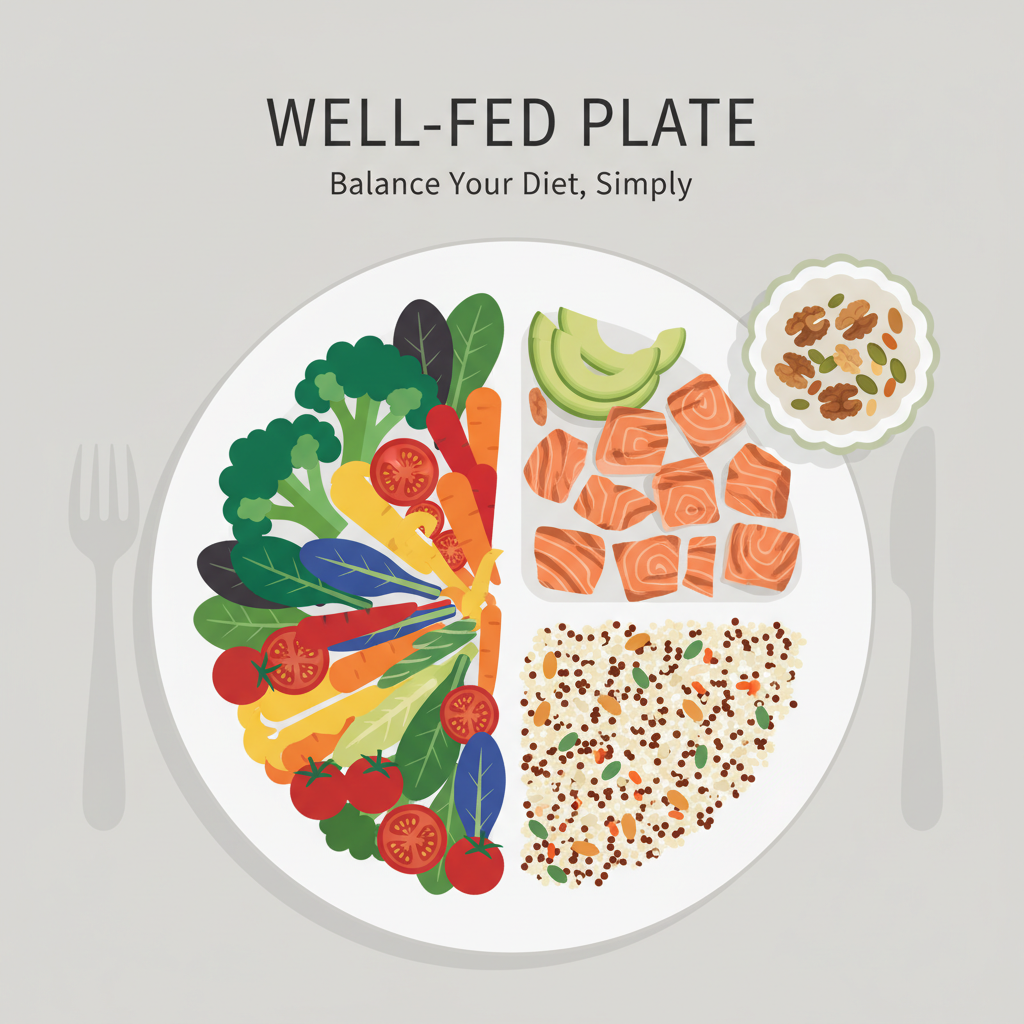
Plate Architecture: Building Balanced Meals Without Math
I've found the plate method way more sustainable than obsessing over numbers. Half my plate gets vegetables – whatever's cheap or needs using up. Quarter goes to protein, and I'm loose about what counts. Beans, eggs, leftover rotisserie chicken, whatever. The last quarter is carbs, and honestly, I eyeball it based on how hungry I am.
The beauty is it scales perfectly. Tiny breakfast plate? Same proportions work. Giant dinner after a long day? Still balanced. I've been doing this for two years now, and my energy stays steady without the mental exhaustion of calculating every bite. Sometimes I mess it up completely and eat cereal for dinner – that's fine too.
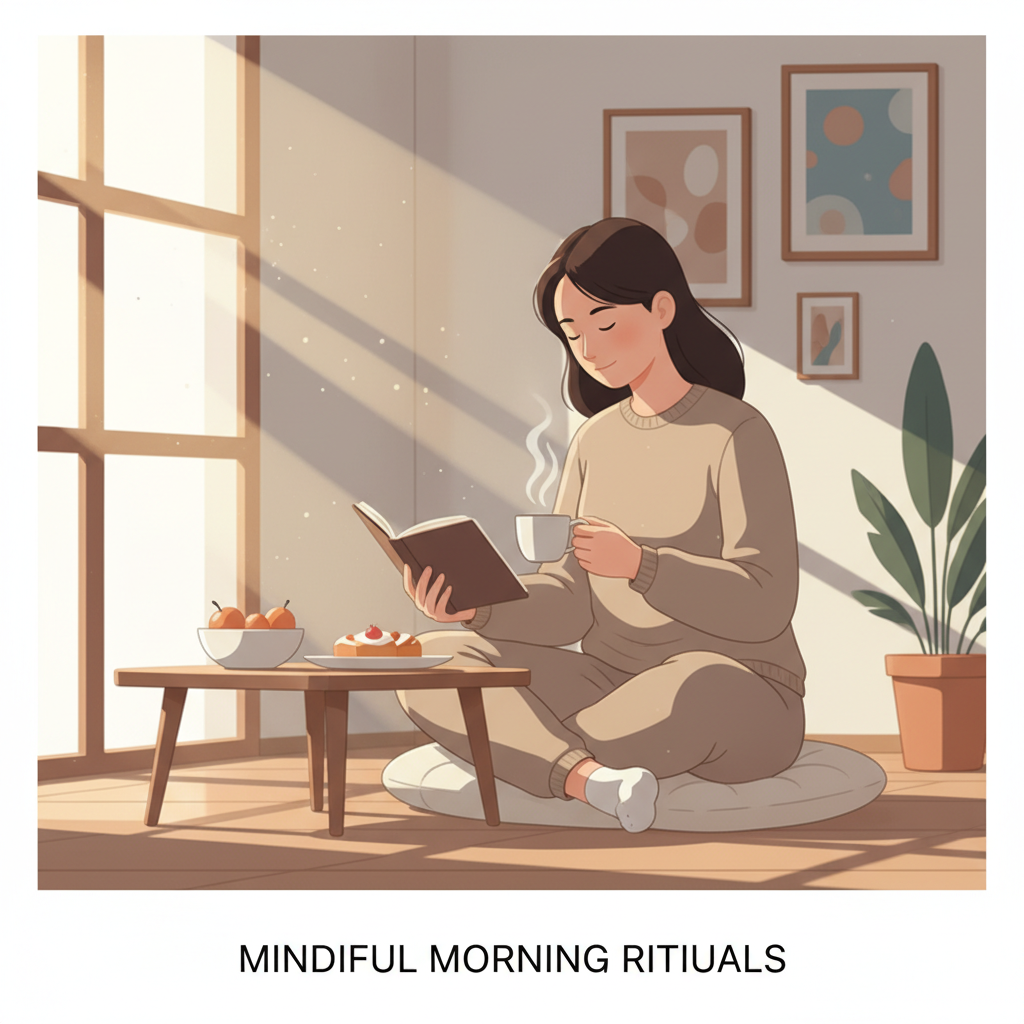
Mindful Check-In Techniques for Emotional vs. Physical Eating
I've learned to pause and ask myself three simple questions before eating: "Am I actually hungry?" "What am I feeling right now?" and "Will this food solve that feeling?"
The hunger part is easier than you'd think. Physical hunger builds gradually and almost any food sounds appealing. Emotional hunger hits suddenly and I'm craving something specific - usually crunchy, sweet, or creamy.
What really helped me was setting phone reminders to check in with myself every few hours, not about food, but about my emotional state. Bored? Stressed? Celebrating? Once I started noticing patterns, I could redirect that energy into texting a friend or taking a quick walk instead of mindlessly snacking.
What People Ask
What if intuitive eating apps aren't working because I keep overeating?
From what I've seen, you might need to start with a more structured approach first - try apps that focus on meal timing or portion awareness before jumping into full intuitive eating. I'd recommend starting with something like Rise Up or Recovery Record that helps you notice patterns without the numbers game, then gradually work toward more intuitive approaches once you've rebuilt some trust with food.
Which non-diet apps actually help when you're recovering from an eating disorder?
Recovery Record has been a game-changer for people I know in recovery because it lets you track meals and feelings without any calorie focus. I'd also suggest Sanvello for the anxiety management piece, since food stress and general anxiety often go hand-in-hand - dealing with both together makes way more sense than just focusing on eating habits alone.
What if I try mindful eating apps but still feel anxious about not tracking anything?
Start with apps that give you something to track that isn't calories - like Headspace for meal meditations or even just a basic mood tracker. I've found that going cold turkey from all tracking usually backfires, so having a gentle replacement that focuses on how you feel rather than what you ate can bridge that gap while your brain adjusts.
My Honest Take
Here's what I'd do: start with just one of these apps and give it two weeks. Don't overthink it. Your relationship with food matters way more than hitting some arbitrary calorie target. I've seen too many people burn out from rigid tracking – these gentler approaches actually stick.


