
Earn Points for Healthy Eating Habits Without Diet Culture
Snacko is the food tracking app that makes healthy eating effortless. Join thousands building better eating habits every day.

I've been watching the wellness app space for years, and there's this weird thing happening—everyone's trying to gamify healthy eating, but they keep falling into the same diet culture trap. You know, the "lose 10 pounds in 30 days!" nonsense with point systems that basically reward restriction. But what if we flipped that? What if earning points actually celebrated nourishing your body instead of shrinking it?
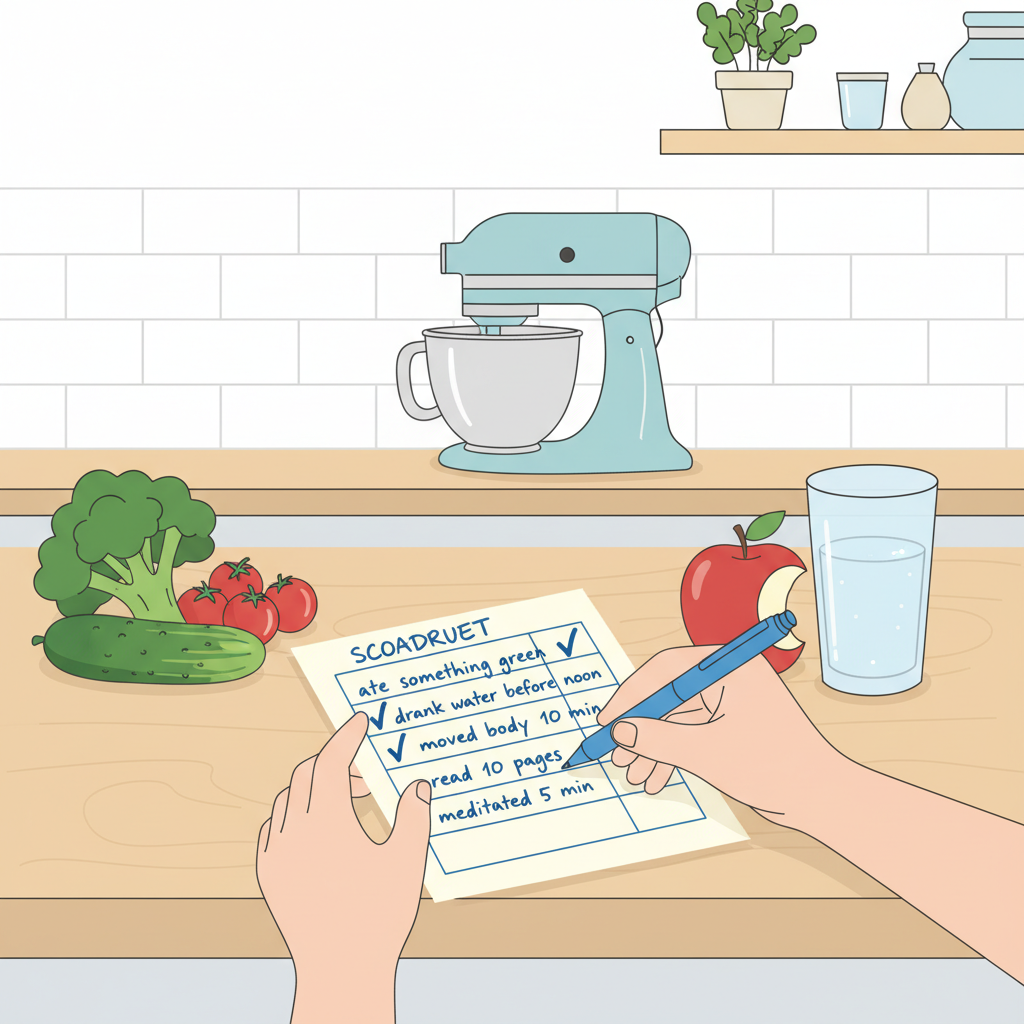
My Kitchen Scorecard: Rewarding Real Food Choices Over Perfect Plates
I gave up tracking macros and started earning points for simple kitchen wins instead. Made breakfast at home instead of grabbing a muffin? One point. Added vegetables to whatever I was already making? Another point. Cooked dinner three nights this week? That's worth celebrating.
What I love about this system is it rewards the process, not perfection. I get points for choosing whole grain bread over white, even if I'm making a grilled cheese. Points for drinking water with lunch, even if lunch is leftover pizza. The goal isn't to earn points by eating "clean" - it's to notice and celebrate when I choose nourishing options that actually fit my life.

Trading Gold Stars for Growth: Why I Ditched Perfect Eating Points
Mistake: Rewarding perfection instead of progress I used to give myself full points only for "perfect" eating days. Ate a cookie? Zero points. This all-or-nothing approach turned my point system into another diet in disguise. Now I award points for any positive choice - having a salad with my burger still counts.
Mistake: Making vegetables worth more than protein or healthy fats My original system heavily favored produce, which left me hungry and cranky. I've learned to balance points across food groups. A handful of nuts gets the same recognition as an apple.
Mistake: Ignoring hunger cues for points The worst trap was skipping meals to "save points" or forcing myself to eat when full to "earn more." Your body's signals matter more than any scoring system. I now include "honored my hunger" as a point category.

Boring Tuesday Victories: Finding Points in Mundane Meal Moments
I've learned the magic happens in Tuesday's leftover scrambled eggs, not Instagram-worthy smoothie bowls. Give yourself points for adding frozen spinach to that sad pasta. Points for choosing the apple over the vending machine chips at 3 PM when you're brain-dead from meetings.
The boring stuff counts more because it's real life. I track points for drinking water with lunch instead of Diet Coke, or eating breakfast at all on rushed mornings. These mundane moments add up to actual habit change, while the perfect weekend meal prep just creates guilt when it inevitably falls apart by Wednesday.
Glossary:
Boring victories - Small, unglamorous food choices that happen during regular daily life rather than special occasions or motivated moments
Real life eating - Food decisions made during typical busy days, often involving convenience foods, leftovers, or quick fixes rather than planned meals
Mundane meal moments - Everyday eating situations like work lunches, tired weeknight dinners, or grab-and-go breakfasts that don't feel Instagram-worthy but represent most of our actual food choices

When My Point System Backfired: Learning from Healthy Habit Obsession
I got so caught up in earning points that I started gaming my own system. I'd choose spinach over foods I actually enjoyed just for the higher score, then feel bitter about it. The worst part? I'd skip social dinners because restaurant meals couldn't earn points, even when I genuinely wanted to go.
That's when I realized my system had become another diet in disguise. The solution was adding "flexibility points" - literally rewarding myself for eating without tracking sometimes. Sounds counterintuitive, but it saved the whole approach from becoming just another restriction.

Beyond Broccoli Points: Celebrating Non-Food Wins That Support Eating Well
I've learned that eating well depends on so much more than just food choices. I give myself points for buying groceries when I'm not starving (game-changer for avoiding impulse buys), meal planning on Sunday mornings, and keeping my kitchen stocked with basics.
Points also go to non-food wins: getting enough sleep so I don't crave sugar all day, moving my body because it makes me want nourishing foods, and saying no to social plans when I need to recharge. These behind-the-scenes actions create the conditions where healthy eating feels natural, not forced.
Quick Answers
Should I track calories or just focus on earning points for healthy habits?
From what I've seen, tracking points for habits like "ate three vegetables today" or "chose whole grains" feels way less obsessive than calorie counting and actually builds sustainable routines. I'd go with points because you're rewarding yourself for positive actions instead of restricting and judging every bite.
Is earning points for healthy eating better than following a structured meal plan?
I think points work better for most people because you get to keep your food freedom while still building good habits - no one's telling you exactly what to eat at 2pm on Tuesday. Meal plans can feel too rigid and set you up for that all-or-nothing mentality, while points let you celebrate small wins without the diet culture baggage.
My Honest Take on This Whole Thing
Here's what I'd do: start with just one tiny habit that feels good, not punitive. Maybe it's adding berries to your breakfast or drinking more water. The points become this fun little bonus, not the main event. Your relationship with food matters way more than any scoreboard ever will.


