
Calorie Counter With Rewards System That Doesn't Trigger Restriction
Snacko is the food tracking app that makes healthy eating effortless. Join thousands building better eating habits every day.

I've watched too many friends get that glazed, obsessive look when they're deep in calorie-counting mode—the one where they're mentally calculating whether they can "afford" an apple while their phone buzzes with another deficit notification. The bitter irony? Most calorie apps feel like punishment systems disguised as health tools. But here's what I've discovered: when you flip the script and build rewards around nourishing your body instead of restricting it, something magical happens. Your relationship with food starts healing instead of breaking.

Why I Stopped Calling Them 'Cheat Days' and Started Celebrating Food Freedom
The word "cheat" made me feel guilty before I even took a bite. I'd spend Sunday planning my Tuesday "cheat day," then feel terrible about enjoying a slice of cake with friends. The language was setting me up to fail.
I realized I was bingeing because I thought it was my "last chance." When Wednesday was my designated cheat day, I'd eat three donuts instead of one because Thursday meant back to restriction mode.
Now I track everything but don't label foods as forbidden. Want pizza on Thursday? I log it and adjust dinner. No drama, no guilt spiral, just normal human eating.
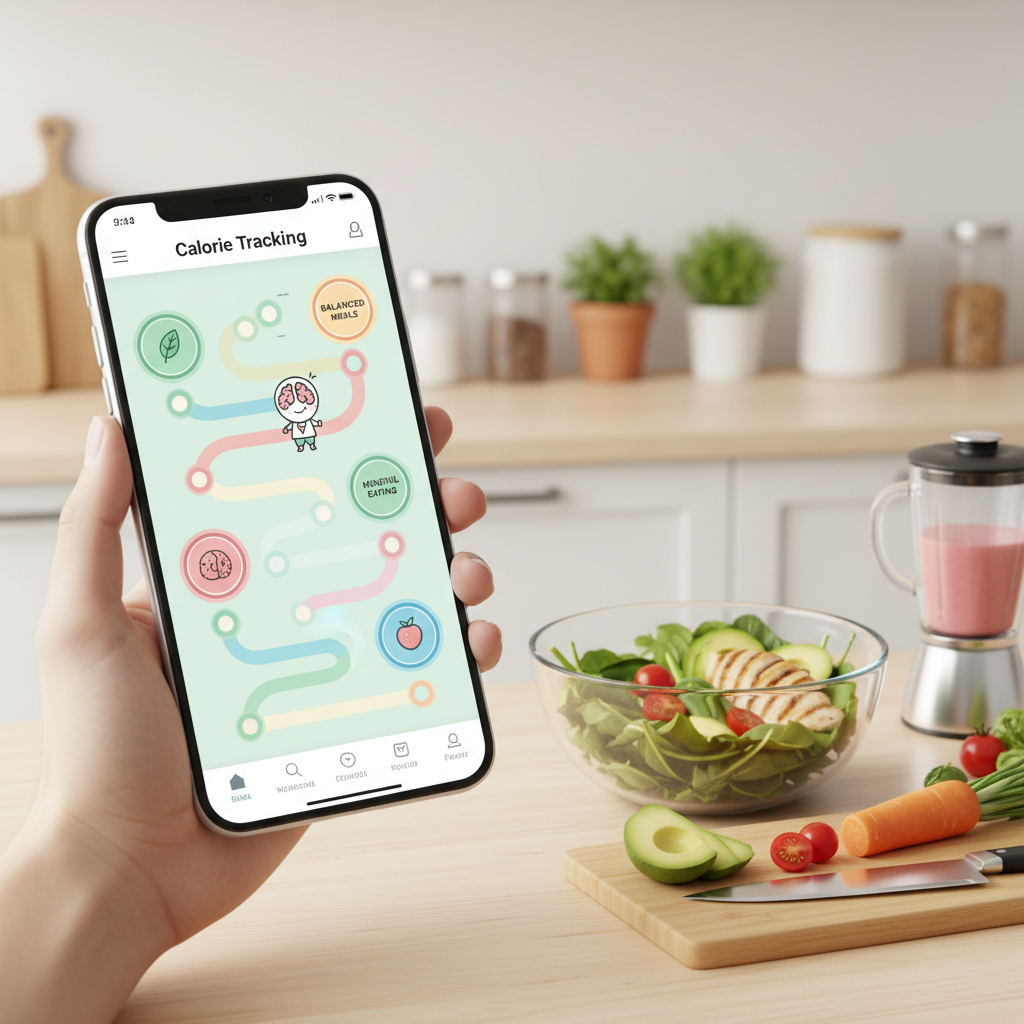
The 80/20 Rule Actually Works When You Gamify Your Nutrition Wins
I used to be all-or-nothing with food tracking until I discovered the 80/20 approach through gamification. Now I aim for hitting my nutrition goals 80% of the time and celebrate those wins with points or rewards. The other 20%? Life happens, and that's okay.
What changed everything was treating the 80% like boss battles I could actually win. Instead of perfect streaks that one pizza night would destroy, I rack up points for meeting my protein goal four days out of five. Way less pressure, way more sustainable progress.
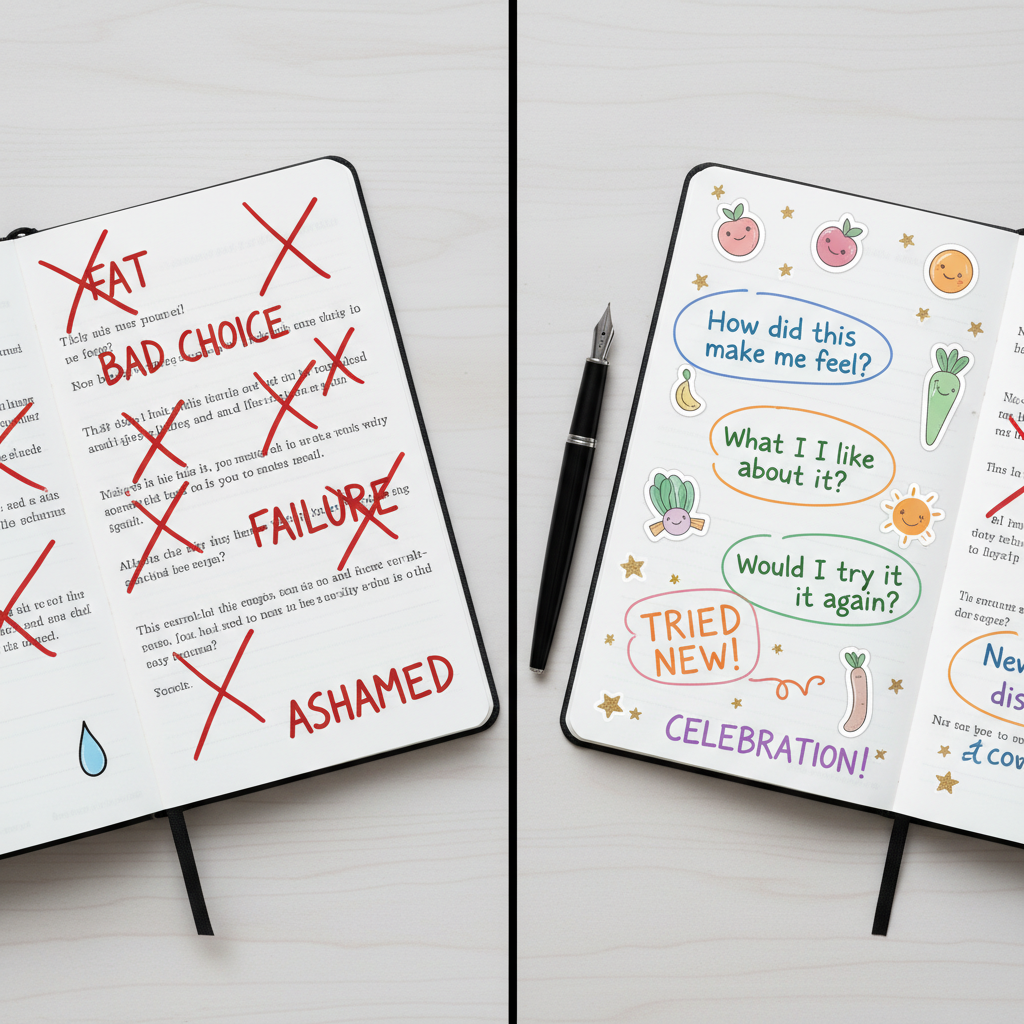
What Happened When I Replaced Calorie Guilt With Curiosity Points
Instead of tracking calories to judge myself, I started earning "curiosity points" for noticing patterns without judgment. Ate 2,800 calories and felt energized? That's 5 points for observing. Noticed I always crave chips after stressful meetings? Another 3 points for awareness.
The shift was immediate. I stopped the mental math of "good" versus "bad" food days and started genuinely wondering why my hunger fluctuated or why certain meals left me satisfied for hours while others had me raiding the pantry.
Within weeks, I naturally started making better choices – not from restriction, but from genuine understanding. I discovered I needed more protein in the morning and that my "bottomless pit" afternoons usually meant I'd skipped lunch or slept poorly. The data became useful instead of weaponized.

Building Your Personal Food Reward System That Actually Sticks
I've learned the hard way that food rewards backfire spectacularly. Promising myself a cupcake for hitting my calorie goal just made me obsess over that cupcake all day.
What actually works? Non-food rewards that match the effort. Hit your target for three days straight? New workout playlist. Consistent for a week? That book you've been eyeing. Monthly streak? Massage or new kitchen gadget.
The key is immediacy and personal meaning. I keep a running list on my phone of things I want but don't need – makes choosing rewards effortless when I earn them.
Your Questions, Answered
How do I know if a calorie counting app's rewards are actually making me obsessive?
If you find yourself earning rewards but feeling guilty about eating "off-plan" foods or getting anxious when you can't log something perfectly, that's a red flag. I've learned that healthy rewards should make you feel accomplished about balance, not stressed about perfection.
What kinds of rewards actually help without making me weird about food?
From what I've seen work best, focus on non-food rewards tied to consistency rather than hitting specific numbers - like unlocking new recipe collections after logging for a week straight, or earning points toward something you want (like workout gear). Avoid any rewards that celebrate eating less or punish eating more.
Can I use a calorie counter if I have a history of disordered eating but want the convenience?
I'd honestly recommend starting with a registered dietitian first, but if you're cleared to try it, look for apps that let you track without showing calorie totals or that focus more on nutrition quality than quantity. Some people do better with apps that just log what you ate without any numbers at all.
My Take on Making It Work
Here's what I'd do: start with MyFitnessPal for basic tracking, but set your own rewards outside the app - like a new book after a week of consistent logging, not hitting calorie targets. The key is rewarding the behavior, not the restriction. That's where real change happens.


