
Track Macros for Muscle Gain While Practicing Body Acceptance
Snacko is the food tracking app that makes healthy eating effortless. Join thousands building better eating habits every day.

Can you love your body and obsessively weigh your chicken breast at the same time? I used to think tracking macros was the enemy of body acceptance—like I had to choose between spreadsheets or self-love. Turns out, I was creating a false dichotomy. After years of swinging between restriction and rebellion, I've learned that muscle-building goals and body acceptance aren't mutually exclusive. They're actually pretty good roommates when you set the right boundaries.
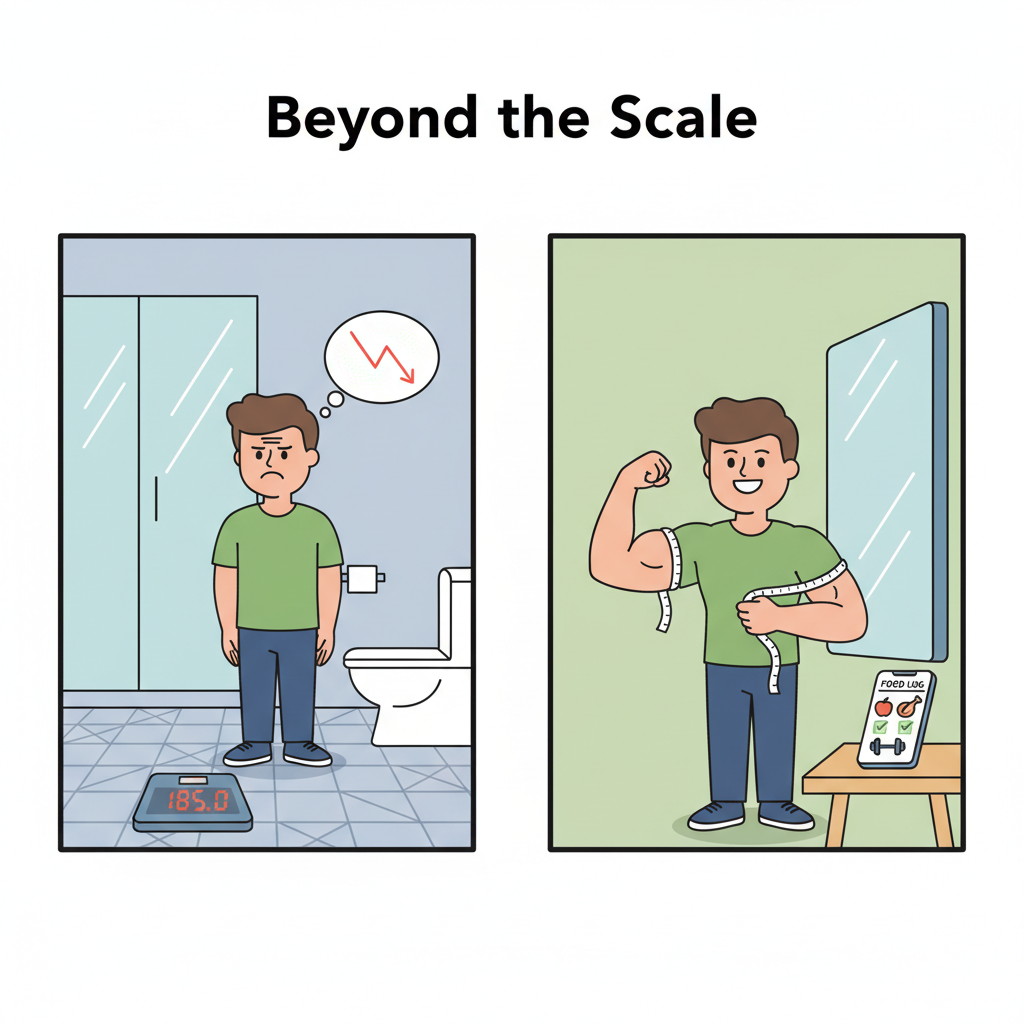
When the Scale Lies: Tracking Progress Beyond Weight Fluctuations
I learned this the hard way when I gained three pounds after a perfect week of hitting my macros. I was ready to throw my food scale out the window until I noticed my jeans fitting better and actual definition in my shoulders.
Now I track what actually matters: progress photos every two weeks, how my clothes fit, and strength gains in the gym. The scale still goes up and down randomly - water retention, hormones, that extra sodium from yesterday's dinner. But when I can see muscle definition in my arms that wasn't there last month? That's real progress the scale can't capture.
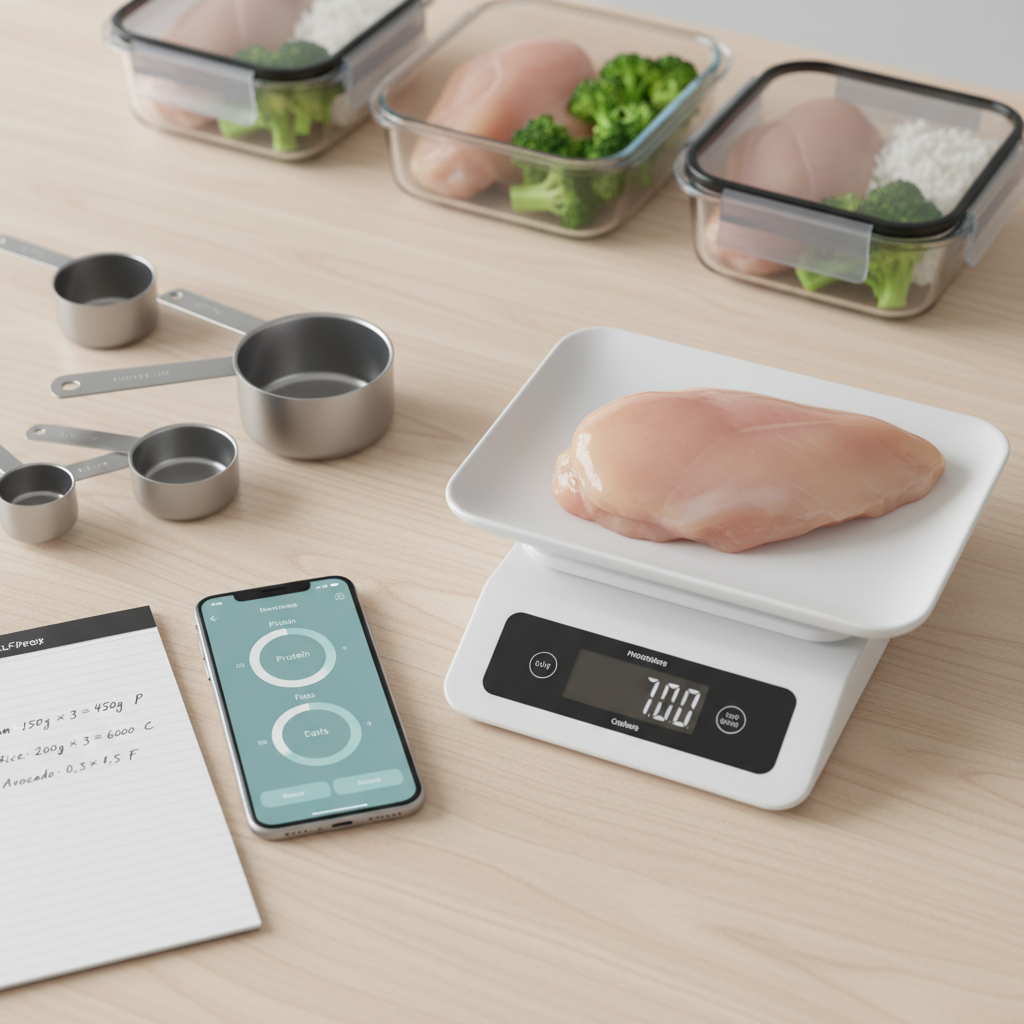
Macro Math That Actually Works: Real Numbers from Real Kitchen Chaos
I tracked everything for three months straight and here's what actually happened: hitting 1.2g protein per pound of body weight made the biggest difference, not the perfect 40/30/30 split everyone preaches. My sweet spot landed at roughly 45% carbs, 25% protein, 30% fat - way more carbs than I expected.
The game-changer? I stopped weighing spinach and started eyeballing vegetables entirely. Spent that mental energy on protein portions instead. Tuesday's "perfect" 2,847 calories felt identical to Thursday's sloppy 3,200 calories for muscle building. Your body isn't a calculator, and treating it like one just made me weird around food.
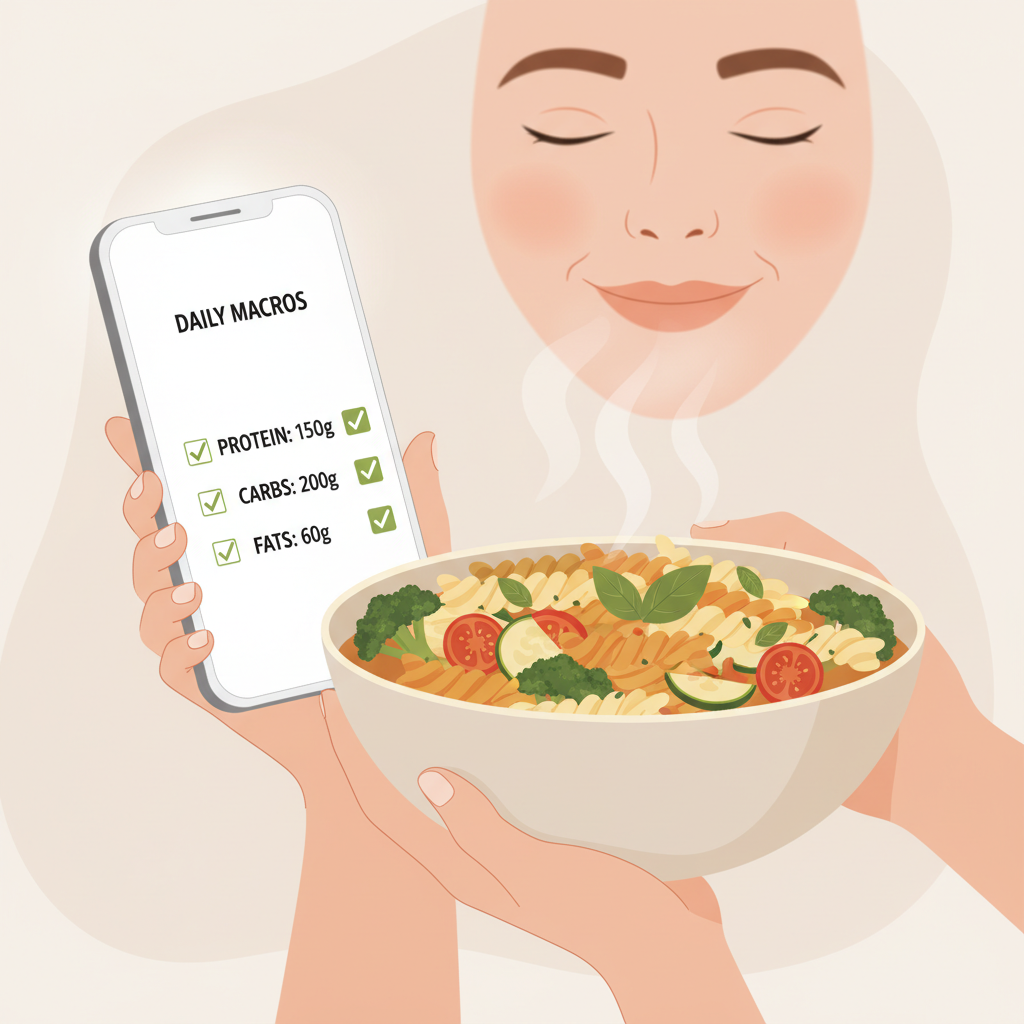
Breaking Up with Food Guilt: How I Stopped Apologizing for Eating Carbs
I used to start every meal with an apology. "I'm being so bad today" while eating a sandwich. "I shouldn't, but..." before having pasta. The constant guilt was exhausting and honestly counterproductive to my muscle-building goals.
The shift happened when I started tracking macros and realized carbs were literally fueling my best workouts. That pre-gym bagel wasn't sabotage - it was smart nutrition. I needed those 40g of carbs to deadlift heavy.
Now when someone comments on my rice bowl, I just think "this is helping me build the shoulders I want." I've learned that food guilt burns zero calories but wastes tons of mental energy. The same energy I'd rather spend planning my next PR or appreciating how strong my body's getting.
What People Ask
Does tracking macros actually work for muscle gain or is it just another diet culture trap?
From what I've seen, tracking macros can genuinely help with muscle gain because it ensures you're eating enough protein and calories - something most people underestimate when trying to build muscle. The key difference is using it as a tool to make sure you're fueling your body properly rather than restricting, which honestly took me a while to wrap my head around.
Is it worth the mental energy to track macros when you're trying to practice body acceptance?
I'd say it depends on where you're at mentally - if counting makes you obsessive or anxious about food, skip it and focus on eating enough protein-rich meals throughout the day. But if you can approach it more like tracking your water intake (just useful data), then yeah, it can actually support body acceptance by helping you see food as fuel rather than the enemy.
My Honest Take
Here's what I'd do: track your macros like data, not judgment. Hit your protein targets, but don't spiral if you're 20g short. Your worth isn't tied to MyFitnessPal entries. Build muscle and self-respect simultaneously—they're not mutually exclusive, despite what diet culture screams at us.


