
Calorie Counting Support Groups That Ban Diet Culture Language
Snacko is the food tracking app that makes healthy eating effortless. Join thousands building better eating habits every day.

I watched Sarah hesitate before speaking in our calorie counting group last Tuesday. "I had a... bad food day yesterday," she finally said, catching herself mid-sentence. Six months ago, she would've called it a "cheat day" and spent twenty minutes apologizing for being "weak." But our group has learned something most diet communities miss entirely: you can track calories without drowning in shame-speak. The difference? We've banned diet culture language completely, and it's changed everything about how we support each other.

Finding Your Tribe Without the Toxic Cheerleaders
Here's what I wish someone had told me earlier: not all support groups are actually supportive. I've seen too many spaces where people disguise diet culture toxicity as "motivation" and "accountability."
The red flags are pretty obvious once you know what to look for. Groups that celebrate members for eating under 1200 calories? Run. Communities where people apologize for eating birthday cake? Also run. Any space where "good" and "bad" foods language flies unchecked is just Weight Watchers with different branding.
What works better are groups that focus on the mechanics - logging accuracy, finding sustainable habits, troubleshooting plateau phases. I found my best support in communities where people share their actual numbers without shame and discuss the boring stuff like meal prep strategies rather than constantly seeking validation for restriction.
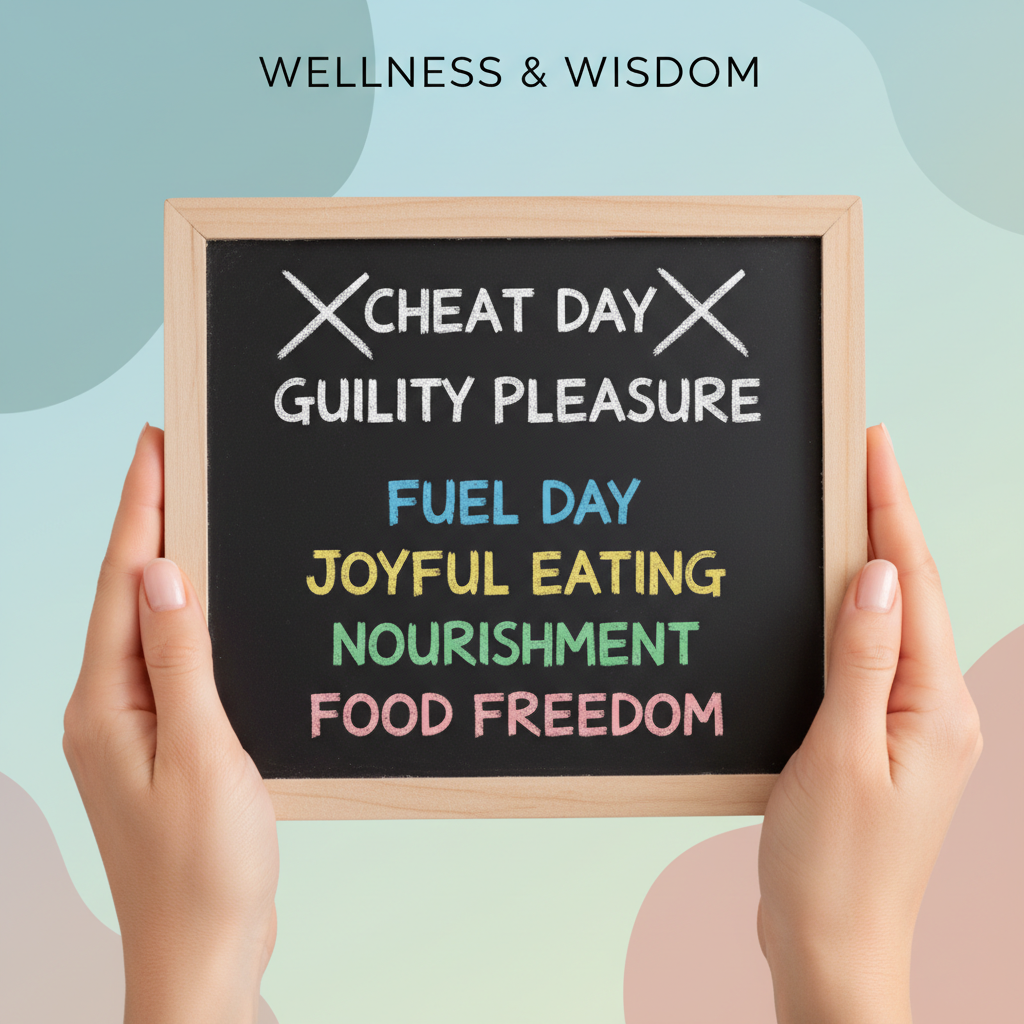
What Actually Happens When Someone Says 'Cheat Day'
Myth: It's just a harmless way to describe eating more calories.
Reality: I've watched people spiral after using this phrase. The word "cheat" immediately creates shame around food choices, which leads to that awful binge-restrict cycle. Someone will "cheat" on Saturday, feel terrible about themselves, then try to "make up for it" by eating barely anything Sunday and Monday.
Myth: Everyone knows what you mean, so the language doesn't matter.
Reality: The language absolutely shapes how you think about food. When I stopped calling anything a "cheat meal," I stopped feeling like I was doing something wrong by eating pizza. That shift in mindset made it way easier to just eat two slices instead of demolishing the whole thing out of guilt.

Those Awkward Moments When Old Habits Slip Out
• The "cheat day" slip: I caught myself saying "I totally cheated yesterday" and watched three people visibly cringe. Now I pause and reframe it as "I ate differently than planned."
• Body-shaming language creeps back in: Someone will accidentally call a food "bad" or mention feeling "gross" after eating. The facilitator gently redirects, but you can feel the collective wince.
• Old diet mentality resurfaces: "I was so good today" still pops out sometimes. I've learned to immediately correct myself - "I mean, I followed my plan today."
• The comparison trap: Catching yourself saying "she eats way more than me" takes practice to stop.
Building Your Personal Phrase Filter Before You Walk In
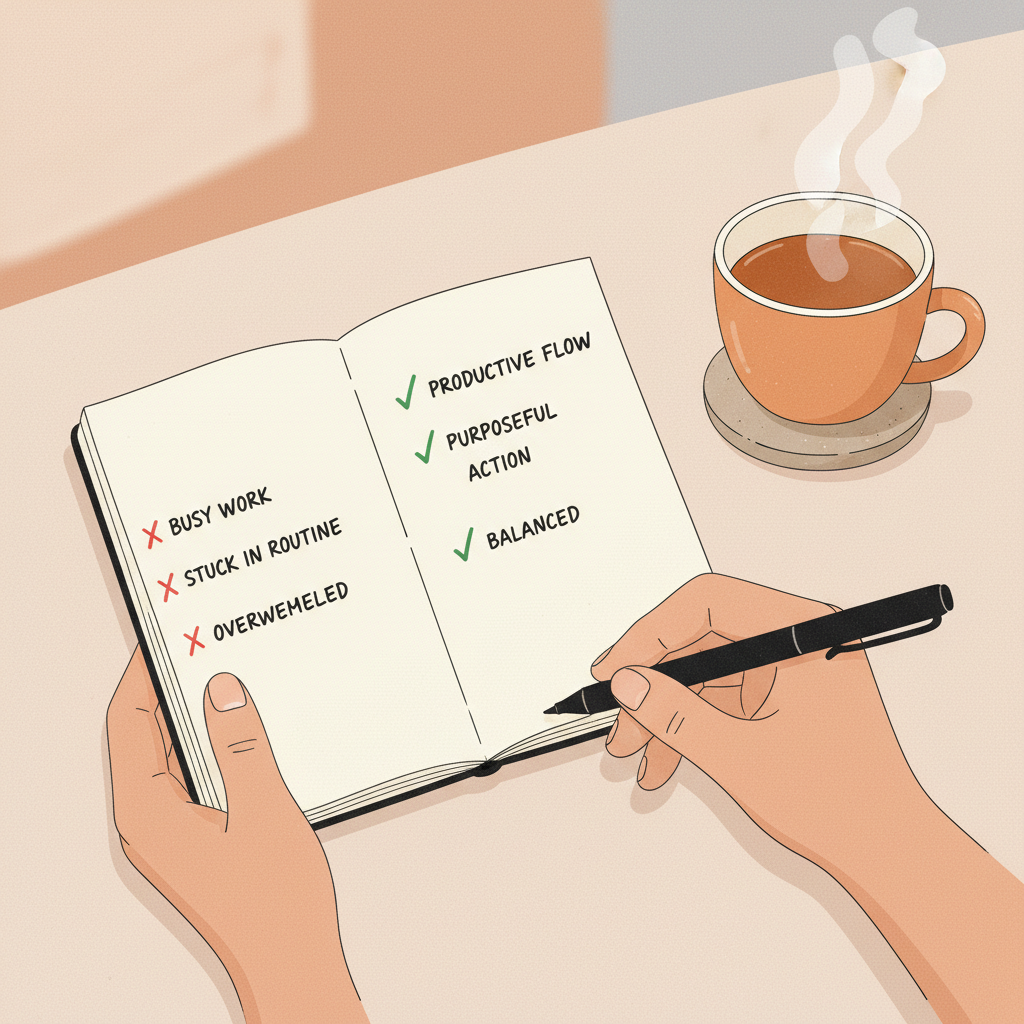
I've learned the hard way that you need to know what language triggers you before stepping into any support group. Diet culture sneaks in through seemingly innocent phrases like "cheat meal" or "clean eating" - words that can send me spiraling back into restriction mode.
Before my first meeting, I made a mental list of phrases that make me uncomfortable: "good foods," "bad foods," "earned this," "worked off." Now when I hear them, I can either redirect the conversation or quietly remove myself. It's not about policing others - it's protecting your own recovery.
When Numbers Matter But Shame Doesn't Get a Vote
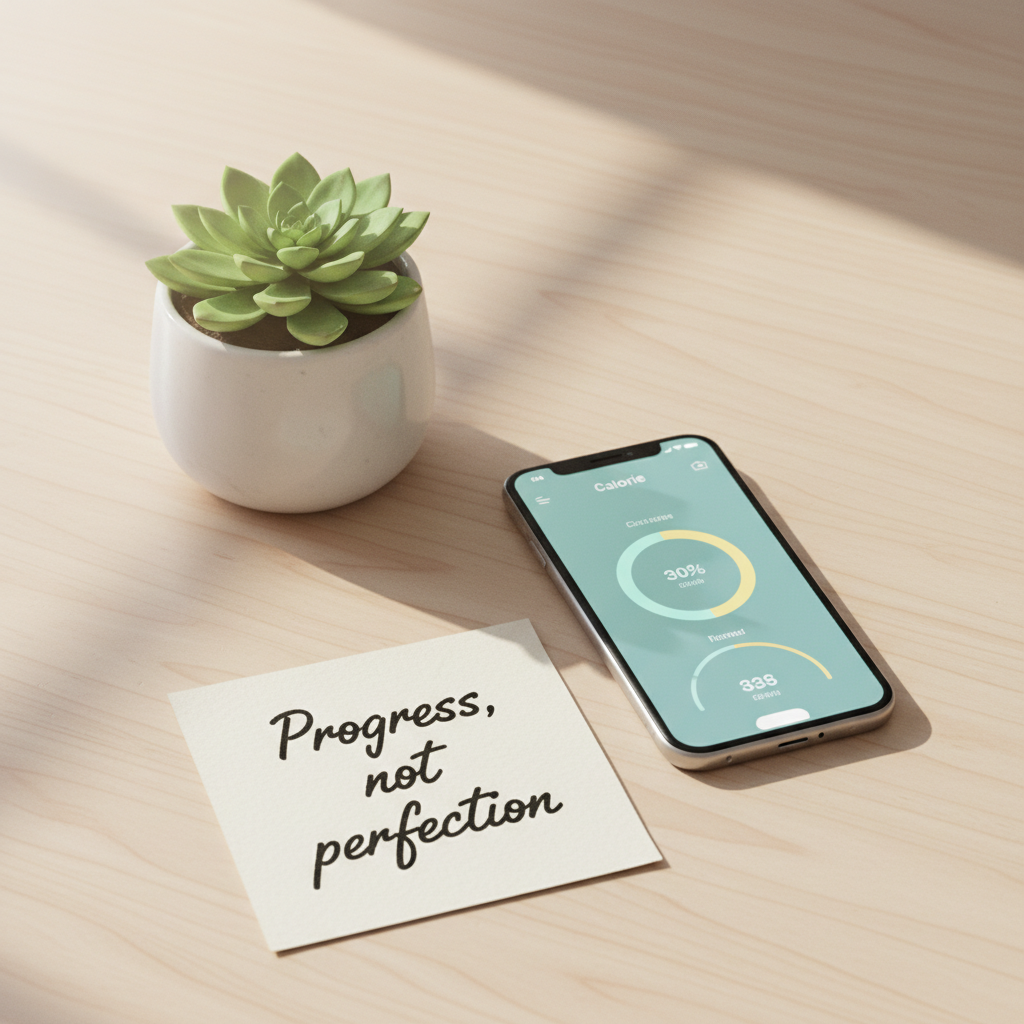
I've learned there's a massive difference between tracking calories and letting someone weaponize them against you. In the best groups I've joined, we talk numbers without the guilt trip soundtrack.
Priority 1: Data stays neutral - "I ate 1,800 calories" instead of "I was so bad today" Priority 2: Context matters more than the number - discussing energy levels, satisfaction, how food felt Priority 3: Zero tolerance for shame language from anyone, including yourself
When someone starts with "I'm such a failure," the group redirects immediately. Numbers are tools, not moral judgments.
Frequently Asked Questions
Do calorie counting support groups without diet culture language actually help people lose weight?
From what I've seen, yes - but in a totally different way than you'd expect. Instead of obsessing over "good" and "bad" foods, people learn to track without shame, which honestly makes it way more sustainable long-term because you're not constantly fighting guilt and restriction cycles.
Is it worth joining one of these groups if I already know how to count calories?
I'd say absolutely, especially if you've been stuck in that all-or-nothing mindset with tracking. The biggest game-changer isn't learning new counting techniques - it's unlearning all the toxic messaging that makes you feel like garbage when you eat over your target or choose pizza over salad.
Do these groups actually stick to banning diet culture talk, or does it creep back in?
The good ones are pretty strict about it, but you'll definitely find some where people slip back into "cheat day" and "clean eating" talk despite the rules. I've found the most successful ones have active moderators who consistently redirect conversations, because honestly, most of us are so used to diet culture language we don't even realize when we're using it.
Here's What I'd Actually Do
My take? Start by finding one group that feels right—maybe search "HAES calorie counting" or "anti-diet nutrition support" online. Don't overthink it. The whole point is getting away from the toxic perfectionism that makes counting calories feel like punishment instead of self-care.


