
Track Calories for Metabolic Health Not Appearance Changes
Snacko is the food tracking app that makes healthy eating effortless. Join thousands building better eating habits every day.

I used to obsess over the mirror, pinching at my waist and flexing under harsh bathroom lighting. The scale became this daily ritual of disappointment or temporary relief. But here's what shifted everything for me: when I started tracking calories to understand my metabolic health instead of chasing some appearance goal, the whole game changed. Suddenly I wasn't just counting numbers—I was tuning into my body's actual needs. My energy stabilized, my sleep improved, and weirdly enough, my relationship with food became way less complicated.
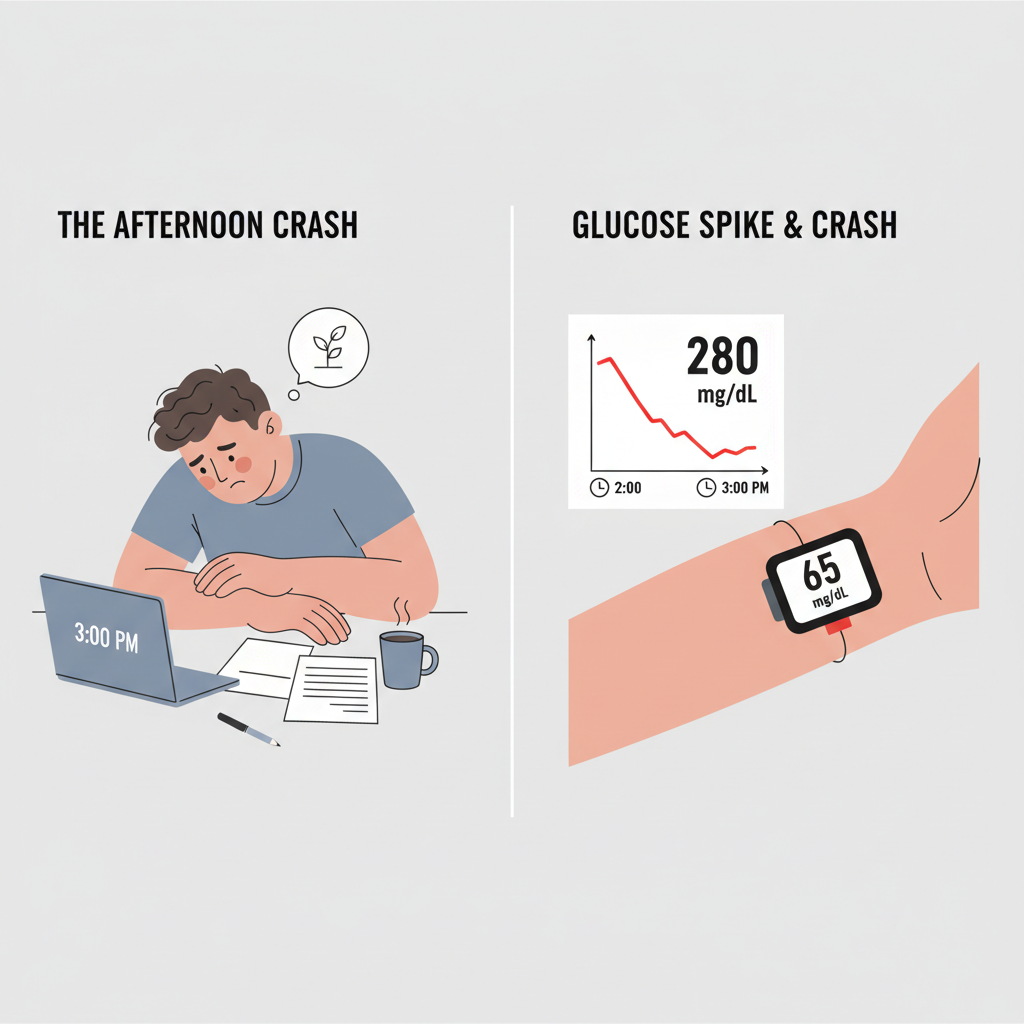
When My Energy Crashes at 3 PM Revealed Hidden Glucose Spikes
I used to blame afternoon crashes on lack of sleep or too much coffee. Tracking what I ate revealed the real culprit: my "healthy" lunch was spiking my glucose.
• That quinoa bowl with dried cranberries? Blood sugar roller coaster waiting to happen • Switched to protein-heavy lunches with minimal refined carbs • Added a 10-minute walk after eating - game changer for glucose control • Now I actually have energy for evening workouts instead of collapsing on the couch
The calorie count stayed similar, but timing and food combinations made all the difference for sustained energy.
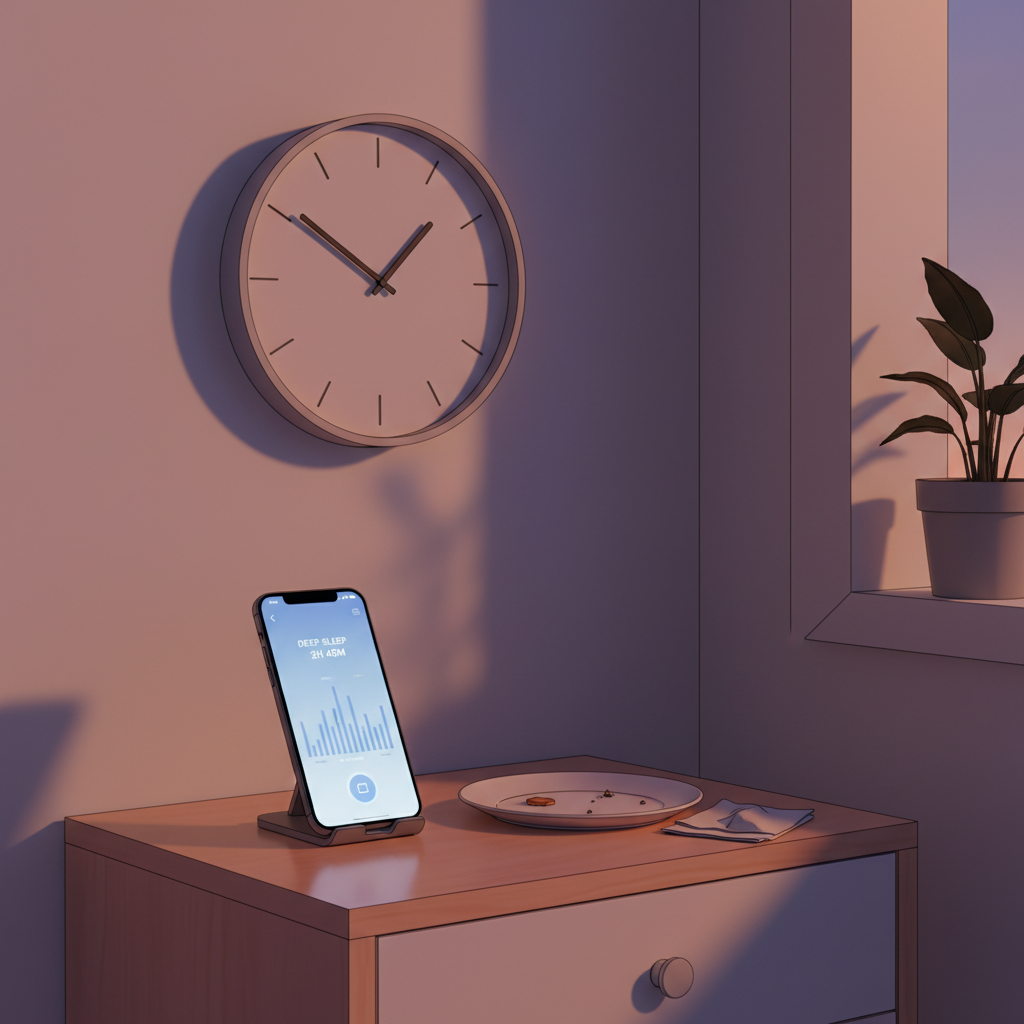
Discovering My Sleep Quality Improved After Tracking Dinner Timing Over Portion Size
Myth: Eating smaller dinners is what improves sleep quality.
Reality: I discovered timing matters way more than portion size. When I tracked my food intake, I realized eating dinner at 6 PM versus 8:30 PM made a massive difference in how well I slept – regardless of whether I had a light salad or a full pasta dish.
Myth: Late eating automatically ruins your metabolism.
Reality: What actually happened was eye-opening. Eating the same 600-calorie dinner at 6 PM left me sleeping soundly, but that identical meal at 9 PM had me tossing around until midnight. My tracker showed this pattern consistently over weeks. Now I prioritize finishing dinner by 7 PM, and honestly, I sleep like a rock. The calorie count stayed the same – just the timing shifted everything.
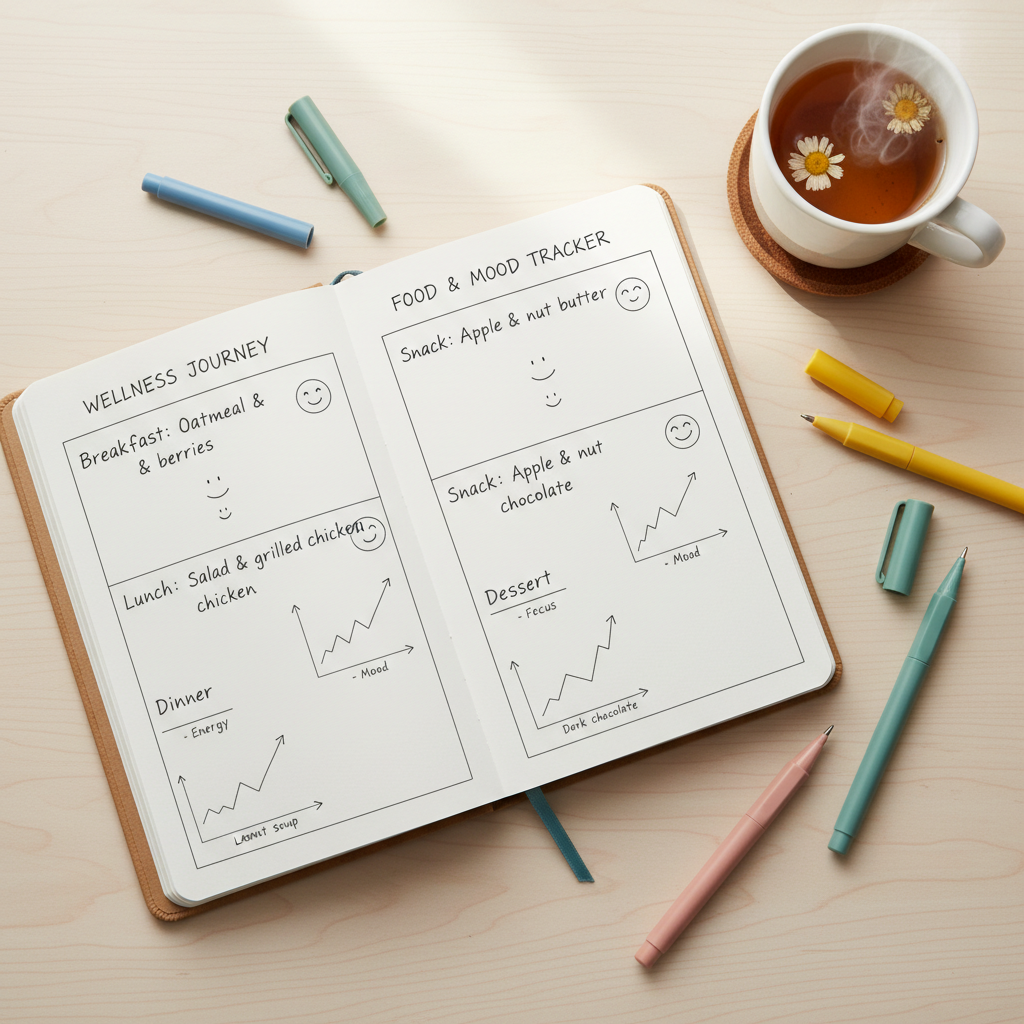
The Surprising Connection Between My Food Anxiety and Erratic Blood Sugar Patterns
1. Pre-meal panic actually made my blood sugar worse. I'd stress about what to eat for twenty minutes, then grab whatever was closest. That cortisol spike followed by poor food choices created this awful roller coaster I didn't understand until I started tracking.
2. Skipping meals to "save calories" backfired spectacularly. I'd white-knuckle through hunger, then binge on whatever I could find. My glucose monitor showed these massive spikes and crashes that left me exhausted and craving more junk.
3. Tracking calories gave me permission to eat consistently. Once I knew my actual needs, I could eat breakfast without guilt. Regular meals smoothed out those blood sugar swings, which somehow made the food anxiety way more manageable.
Your Questions, Answered
How do you track calories for metabolic health instead of weight loss?
I focus on hitting my protein target and making sure I'm eating enough overall - I use an app to log everything for about a week every few months just to check that I'm not accidentally under-eating or missing key nutrients. The goal isn't restriction, it's making sure my body has what it needs to keep my metabolism running smoothly.
When should you start tracking calories for metabolic reasons rather than appearance?
From what I've seen, it's worth tracking when you're dealing with energy crashes, sleep issues, or feeling constantly hungry despite eating regularly - these are often signs your metabolism isn't getting the fuel it needs. I'd recommend doing it any time you're making big lifestyle changes too, like starting strength training or dealing with stress, since your caloric needs shift way more than most people realize.
Help Me Spread This Message
Look, if this clicked for you like it did for me, share it with someone who's stuck in the appearance trap. We need more people tracking their energy, sleep, and how they actually feel instead of obsessing over the mirror.
Your metabolism will thank you, and honestly, so will your sanity.


