
Calorie Tracking for Energy Levels Not Weight Loss Goals
Snacko is the food tracking app that makes healthy eating effortless. Join thousands building better eating habits every day.

Here's the uncomfortable truth I've had to face: I spent years obsessing over my calorie app's daily totals, watching those numbers like they determined my worth as a human being. But somewhere along the way, I noticed something weird happening. The days I felt most energetic didn't always match up with my "perfect" calorie goals. Turns out, I'd been tracking calories for all the wrong reasons—and missing the real goldmine of information sitting right there in my food log.
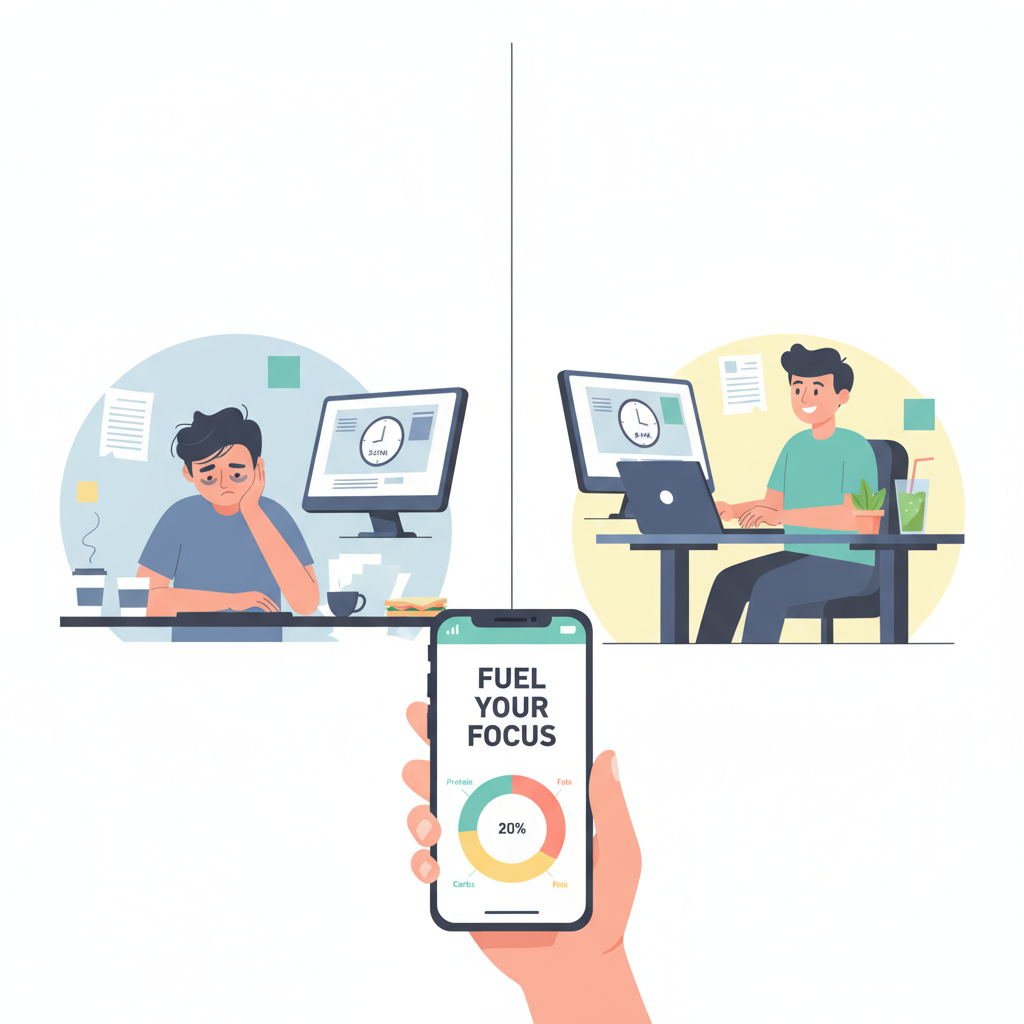
My 3PM Energy Crash Led Me to Track Macros, Not Calories
I used to hit a wall every afternoon around 3PM. Like clockwork, I'd be reaching for my third coffee or raiding the office snack drawer. Turns out, tracking calories wasn't telling me the whole story.
When I switched to tracking macros instead, everything clicked. I realized my lunches were basically just carbs with a side of protein. No wonder I was crashing hard by mid-afternoon.
What I track now:
- Protein timing - 25-30g at lunch keeps me steady
- Carb quality - complex over simple makes a huge difference
- Fat balance - healthy fats actually sustain my energy longer
- Meal spacing - eating every 3-4 hours prevents the crash
The 3PM slump disappeared within a week.
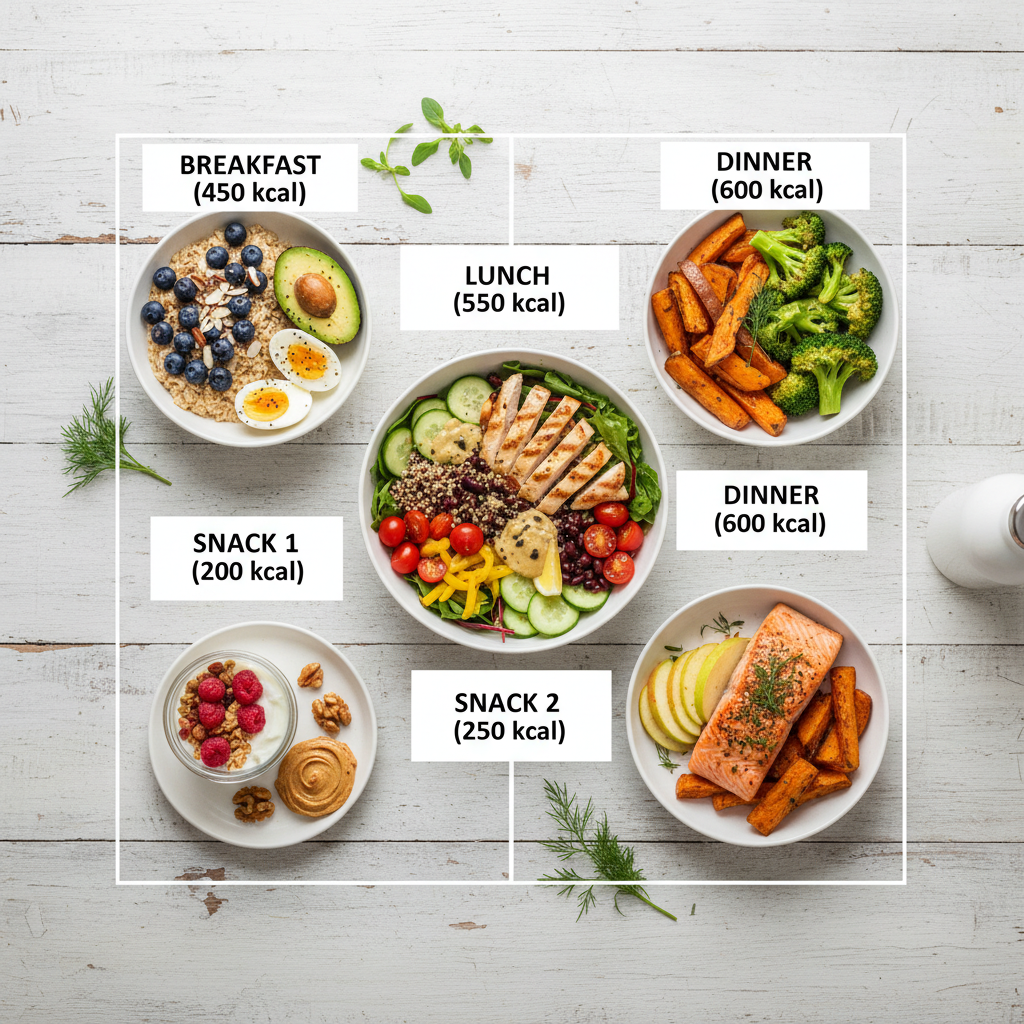
What 2,400 Calories Actually Looks Like When You're Chasing Sustained Energy
I've learned the hard way that 2,400 calories can either fuel you through a 12-hour workday or leave you crashing by 3 PM. The difference? How you distribute them.
My best energy days look like this: 600-calorie breakfast with eggs and oats by 7 AM, 800-calorie lunch around noon, and 700 calories for dinner. The remaining 300 calories get split between two strategic snacks – usually nuts or Greek yogurt.
What doesn't work? Front-loading 1,200 calories at breakfast or saving 1,000 for a massive dinner. I've tried both. You'll either crash hard or stay wired when you need sleep.
How I Stopped Confusing Hunger Signals with Energy Dips
Option A: I used to grab snacks every time I felt sluggish, thinking low energy meant I needed more calories. Three cookies later, I'd crash harder than before.
Option B: Now I pause and ask myself: Am I actually hungry, or just tired? Real hunger builds gradually and comes with stomach sensations. Energy dips hit suddenly and feel more mental.
The game-changer was tracking my energy alongside meals for two weeks. I noticed my afternoon crashes happened regardless of lunch size - they were tied to my natural circadian rhythm, not hunger. When I'm genuinely hungry, I eat. When it's just an energy dip, I drink water or take a five-minute walk instead.
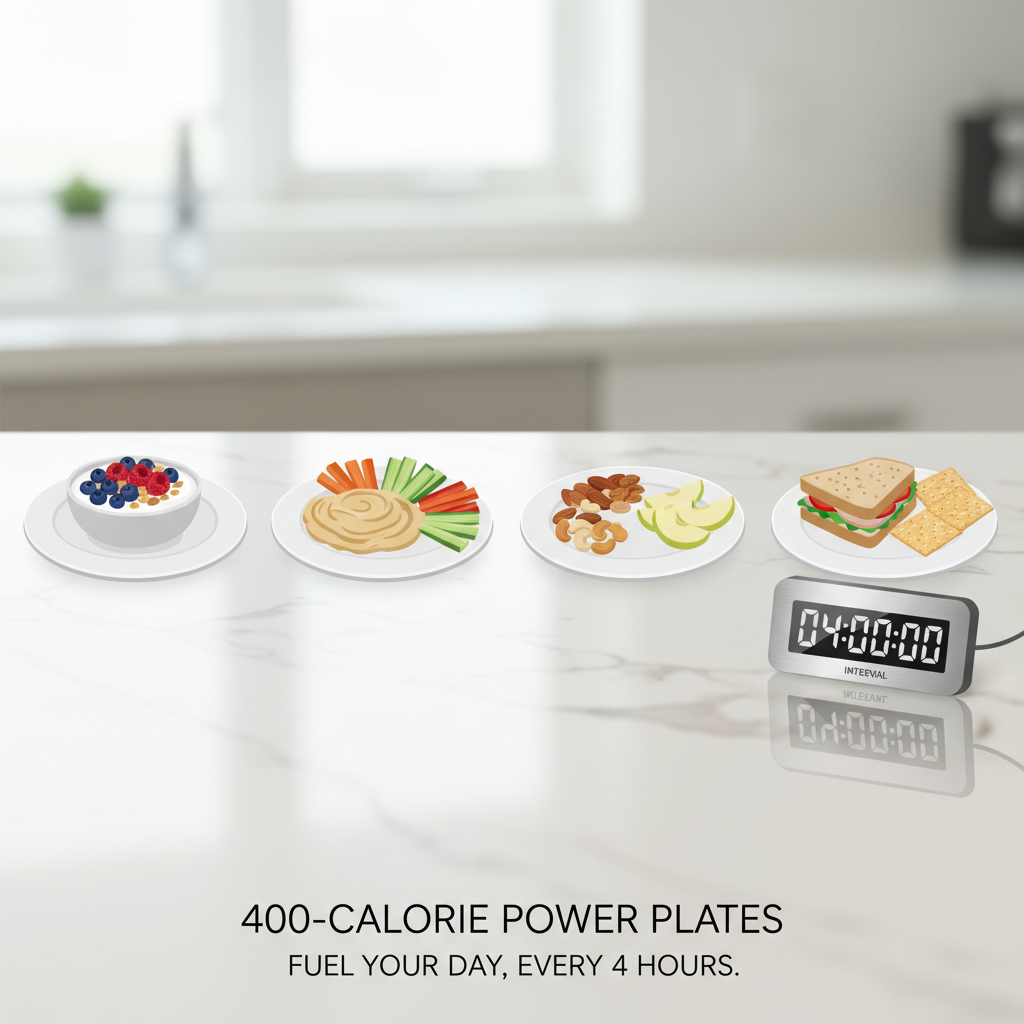
Tracking Revealed My Body Runs Best on 400-Calorie Fuel-Ups Every 4 Hours
Me: I used to think eating every few hours was some diet culture nonsense, but tracking my energy against my eating schedule completely changed my mind.
Friend: What do you mean?
Me: I noticed I'd crash hard around 3 PM, then again before dinner. Turns out I was eating huge meals that sent my energy through the floor afterward. Now I eat about 400 calories every four hours - breakfast at 7, snack at 11, lunch at 3, dinner at 7. My energy stays way more consistent throughout the day, and I'm not dragging myself through afternoon meetings anymore.
Your Questions, Answered
Should I track calories or macros for better energy levels?
From what I've seen, tracking macros gives you way more useful info for energy - I can actually see when my afternoon crash comes from too many carbs at lunch versus not enough protein. Calories alone just tell you quantity, but macros show you the quality that actually affects how you feel.
Is calorie tracking for energy different than tracking for weight loss?
Totally different game - when I was tracking for weight loss, I was obsessed with staying under my number, but for energy I actually look for patterns between what I eat and how I feel 2-3 hours later. I'll eat more calories on heavy workout days without guilt because I know my body needs the fuel to maintain steady energy.
Should I use MyFitnessPal or a specialized energy tracking app?
I'd stick with MyFitnessPal honestly - most "energy tracking" apps are just regular food logs with fancy marketing, and MFP already shows you the timing and macro breakdown you need. The key isn't the app, it's actually noting your energy levels in the notes section so you can spot the patterns yourself.
Here's My Honest Take
Look, I've been tracking calories for energy instead of weight loss for months now, and it's honestly changed how I think about food entirely. My take? Start with just one week of honest logging - you'll be surprised what patterns emerge.
Next week, I'm diving into the specific foods that actually sustain energy versus the ones that crash it.


