
Body Neutral Approach to Calorie Counting for Mental Health
Snacko is the food tracking app that makes healthy eating effortless. Join thousands building better eating habits every day.

I used to think calorie counting was inherently toxic—like, automatically bad for anyone with a complicated relationship with food. But after years of watching people struggle with both restrictive eating and complete food chaos, I've realized it's not that black and white. The problem isn't necessarily the counting itself, but how we approach it. There's actually a middle ground where you can track what you eat without spiraling into obsession or self-hatred, and it starts with ditching the moral language around food entirely.
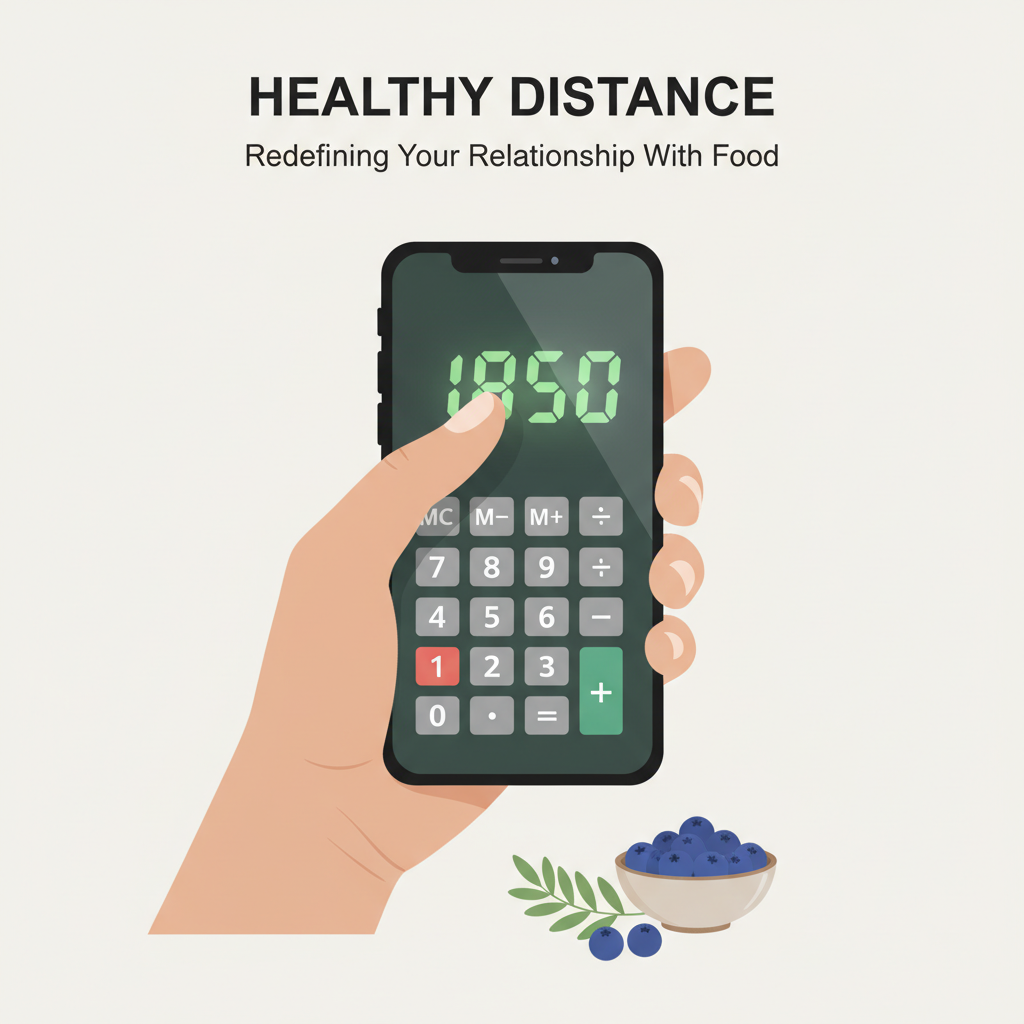
The Numbers Game I Wish Someone Had Warned Me About
On one end, you've got people who obsess over every single calorie—weighing lettuce leaves and losing sleep when their app shows 1,247 instead of 1,200. I was there once, checking restaurant nutrition facts three times and feeling genuine panic when I couldn't log something perfectly.
On the other end are folks who treat calorie counting like rough weather tracking—"Looks like I'm somewhere around 1,800 today, close enough." They log major meals but don't spiral if they forget to add their afternoon coffee creamer.
The obsessive end nearly destroyed my relationship with food. I've found the sweet spot is logging consistently but rounding numbers without guilt. Your body doesn't know the difference between 1,847 and 1,850 calories, but your brain definitely knows the difference between rigid control and flexible awareness.
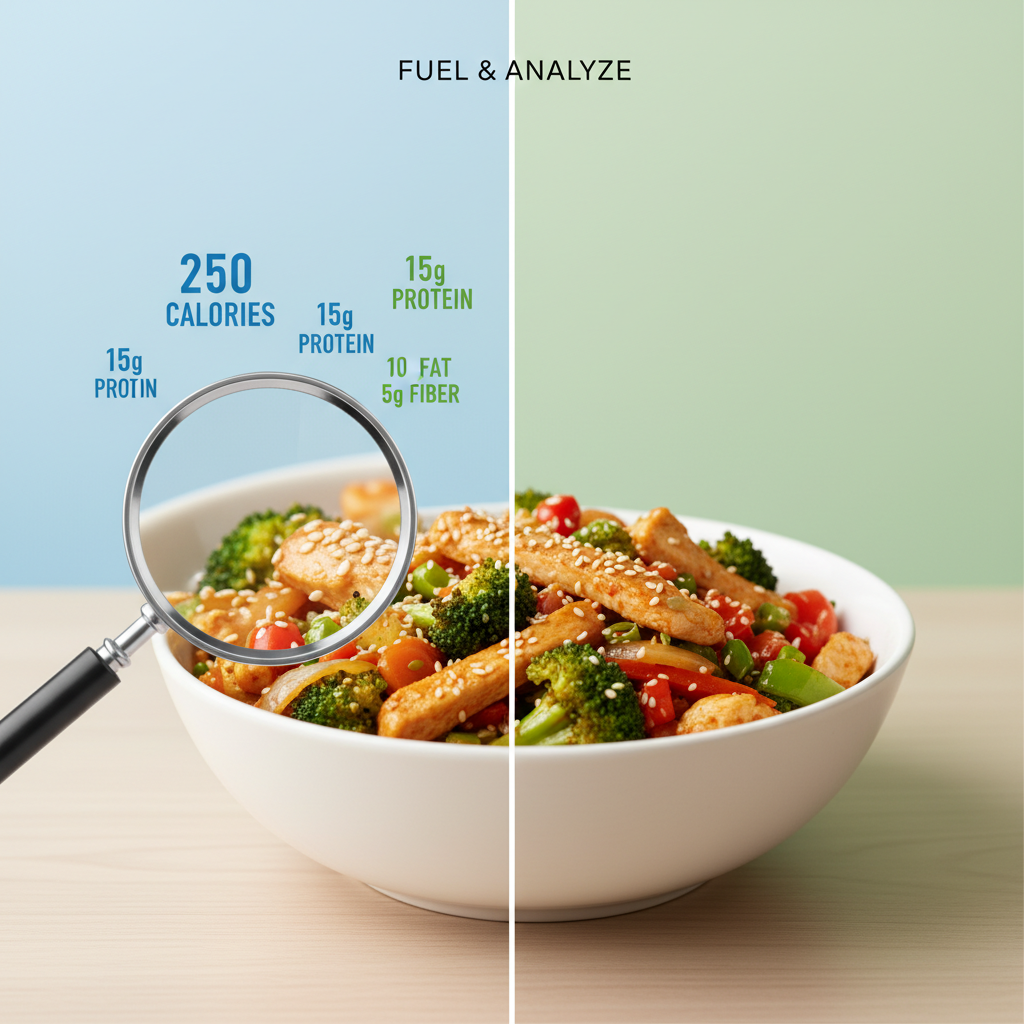
When Your Brain Starts Making Food the Enemy
Here's what I've learned about the warning signs, ranked by how seriously you should take them:
1. You're avoiding social situations because of food. When I started declining dinner invites or felt anxious about restaurant menus, that was my biggest red flag. Food shouldn't control your social life.
2. You're mentally categorizing foods as "good" or "bad." I caught myself feeling guilty about eating a banana because of the sugar content. That's when I knew my brain had gone off the rails.
3. You're checking calories obsessively throughout the day. Logging everything three times and recalculating constantly isn't normal tracking—it's anxiety spiraling.
4. You feel physically sick when you go over your daily limit. The shame and panic I felt over 50 extra calories told me this wasn't about health anymore.
If any of these sound familiar, it's time to step back.
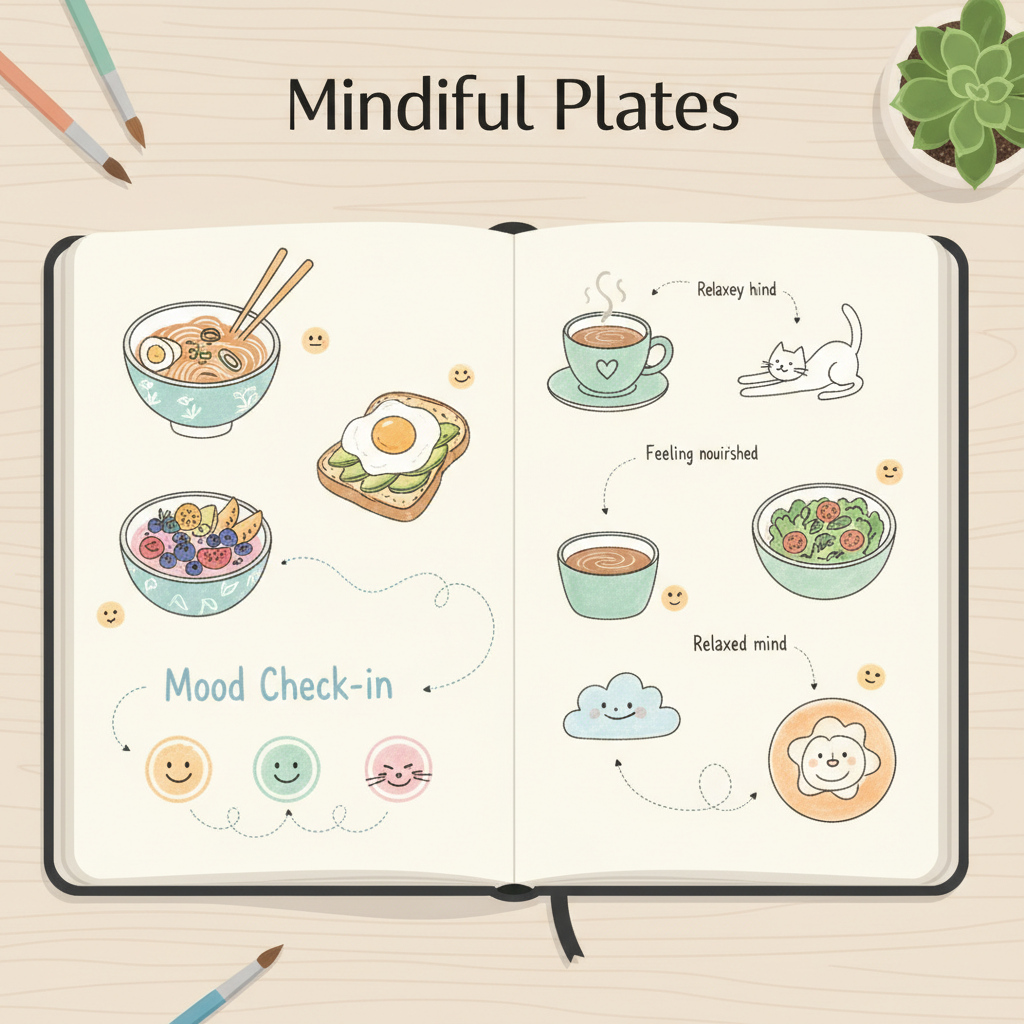
What I Do Instead of Perfect Tracking
I've found that loose tracking works way better for my mental health than obsessing over every gram. Instead of weighing lettuce, I eyeball portions and round up. A handful of nuts becomes "50 calories" even if it's probably 35. My coffee creamer? I just log it as 100 calories for the whole day and move on.
What really changed everything was switching to weekly averages instead of daily perfectionism. Some days I hit 1,400 calories, others 2,000 – but if my weekly average lands around 1,700, I'm good. I also started using ranges: "1,500-1,800 calories today" feels so much more sustainable than "exactly 1,642."
The biggest shift? I stopped tracking vegetables entirely. Life's too short to log spinach, and the mental energy I save is worth way more than those 20 calories.
Option A
The Day I Stopped Apologizing to My Fitness App
I used to feel genuinely guilty when I'd open MyFitnessPal after a weekend and see that angry red number glaring back at me. Like I owed my phone an explanation for eating pizza on Friday night.
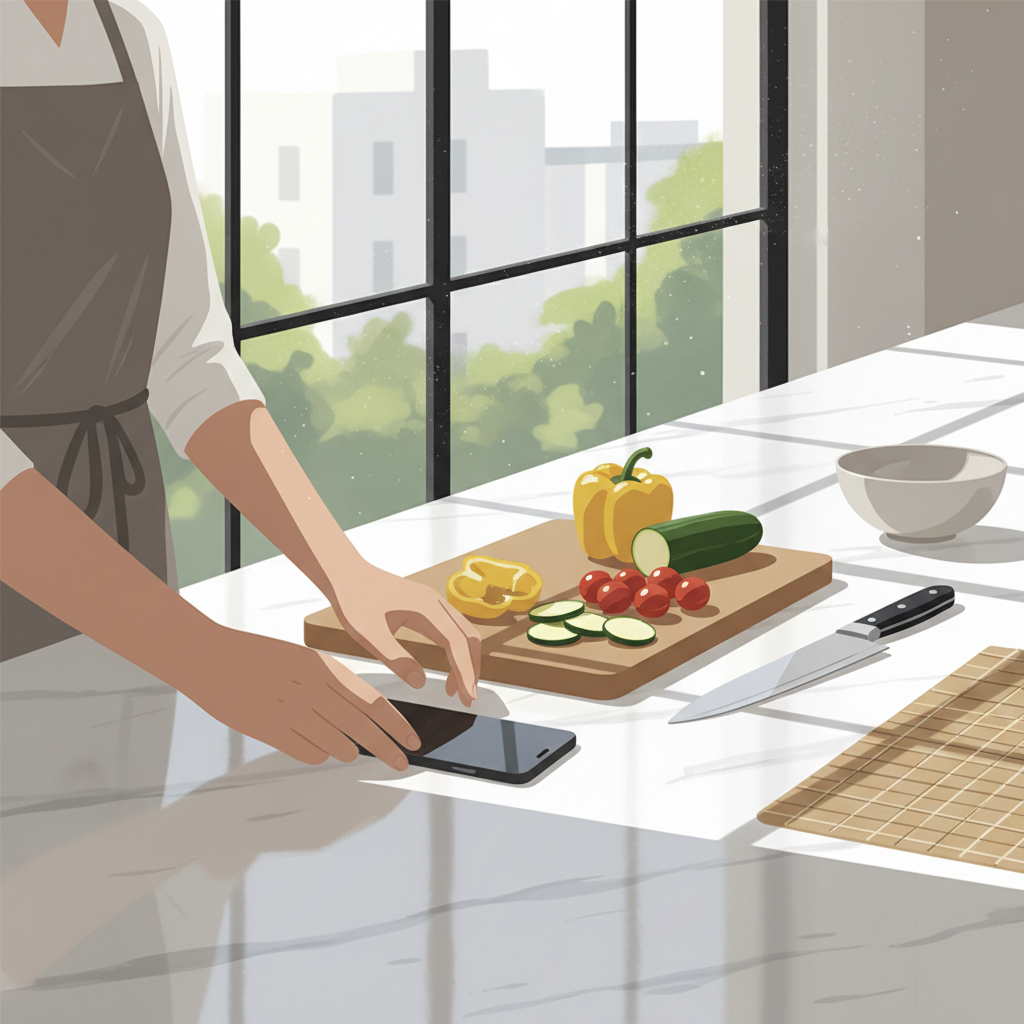
The turning point came when I realized I was apologizing to a piece of software that doesn't actually care about my wellbeing – just my engagement metrics. I started treating my calorie app like what it actually is: a neutral tracking tool, not a moral authority.
Now when I log 3,000 calories on a holiday, I don't add little notes like "had family dinner, will do better tomorrow!" I just log it and move on. The app tracks data. Period. It doesn't judge me, so I stopped judging myself through its lens.
Option B
The Day I Stopped Apologizing to My Fitness App
There I was, typing "ate birthday cake – back on track tomorrow!" into my food diary like my iPhone had feelings that needed protecting.
I finally deleted those apologetic little notes when I realized they were making me feel worse, not better. The app doesn't care if I ate three slices of pizza or hit my protein goal perfectly. It's just collecting data points.
I've found that treating my calorie counter like a boring spreadsheet instead of a judgmental friend completely changed my relationship with tracking. No more explaining myself to software. No more promising to "do better" to an algorithm that literally cannot comprehend human experience.
When I log high-calorie days now, I just log them. The app records numbers. That's it.
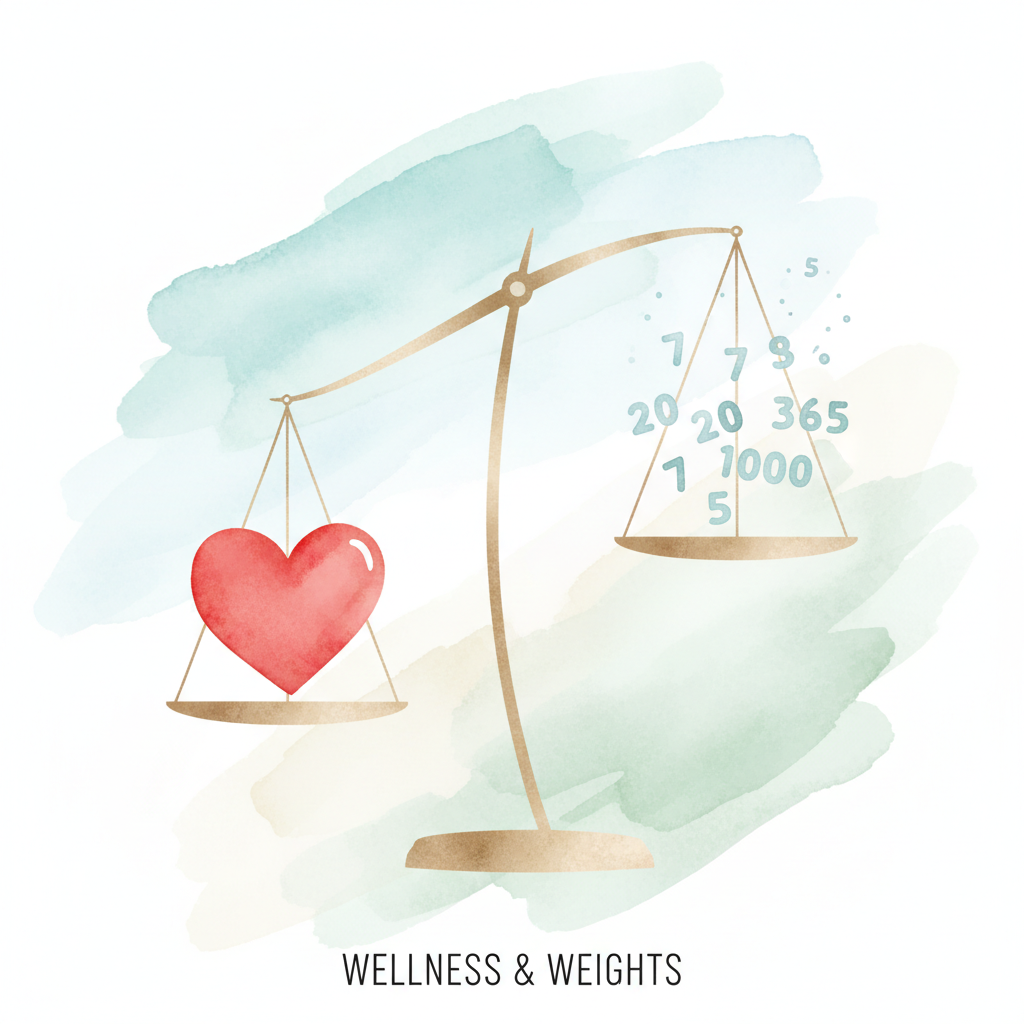
Building Peace with Data Without Losing Your Mind
Set clear data boundaries from day one. I track for three weeks, then take a week completely off. This prevents the obsessive checking that used to consume my evenings.
Use the worst tracking app possible. Seriously. I switched from MyFitnessPal to a basic notes app. When logging calories requires actual effort, you naturally become more selective about what's worth tracking.
Create "good enough" rules. I estimate restaurant meals instead of spending twenty minutes searching databases. Close enough beats perfect when your mental health is on the line.
Schedule specific check-in times. I review my data Sunday mornings only. No midnight calorie audits allowed.
Common Questions Answered
How do you count calories without obsessing over the numbers?
I've found the key is tracking as data collection rather than judgment - I log my food like I'm a scientist observing patterns, not a judge deciding if I'm "good" or "bad." When I catch myself spiraling over going 200 calories over, I remind myself that my worth isn't tied to hitting some arbitrary number perfectly every single day.
When should you stop calorie counting if it's affecting your mental health?
From my experience, it's time to step back when you start skipping social events because you can't calculate the calories, or when you feel genuine anxiety about eating without logging first. If counting becomes more stressful than helpful, or if you're restricting below what your body actually needs just to hit a number, that's your cue to take a break and maybe work with a therapist who gets eating issues.
Where I'd Start Tomorrow
Here's what I'd do if I were jumping into this: pick one meal and just notice the numbers without judgment for a week. No "good" or "bad" labels, just data. My take? Most people overthink the mental health piece - sometimes the gentlest approach is simply removing the emotional charge from information.


