
Habit Tracking Apps With Gamification for Intuitive Eating
Snacko is the food tracking app that makes healthy eating effortless. Join thousands building better eating habits every day.

"I deleted my calorie counting app and gained 20 pounds of self-respect." — Sarah, 28, after switching to intuitive eating
I'll be honest, when I first heard about using habit tracking apps for intuitive eating, it sounded like an oxymoron. Aren't we supposed to ditch the tech and just... listen to our bodies? But here's what I've discovered: the right apps can actually support your intuitive eating journey without turning it into another diet. The trick is finding ones that gamify self-awareness, not restriction.
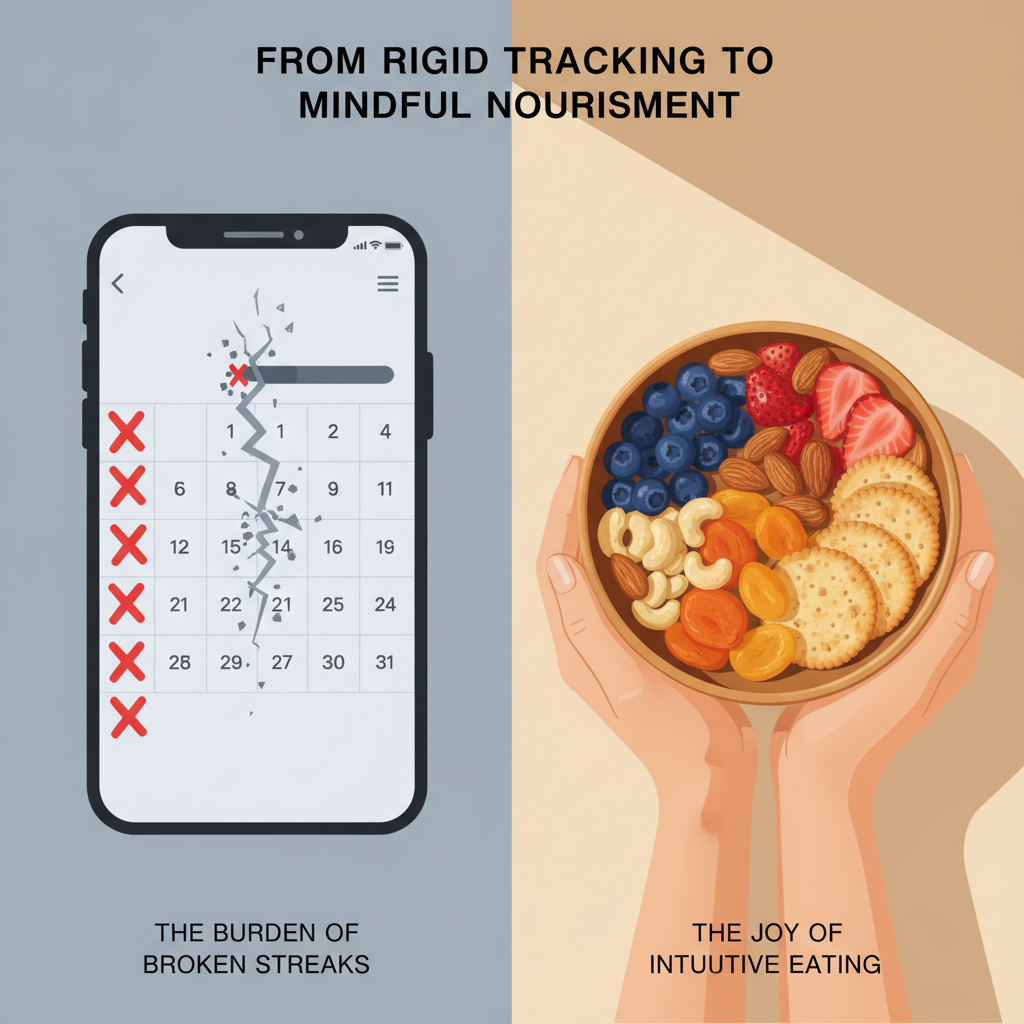
My Messy Journey From Streak Obsession to Actually Honoring Hunger Cues
I'll be honest – I completely botched this at first. Downloaded three different habit apps and turned eating into a video game. Green checkmarks for "eating mindfully," streak counters for "honoring hunger." The irony? I was so focused on maintaining my streaks that I'd force myself to eat when I wasn't hungry just to check the box.
The breakthrough came when I started using apps differently. Instead of tracking compliance, I began logging how my body actually felt. "Ate past fullness – stomach felt tight for two hours." No judgment, just data. Some days I'd miss entries completely, and that was fine. The goal shifted from perfect streaks to understanding my patterns.
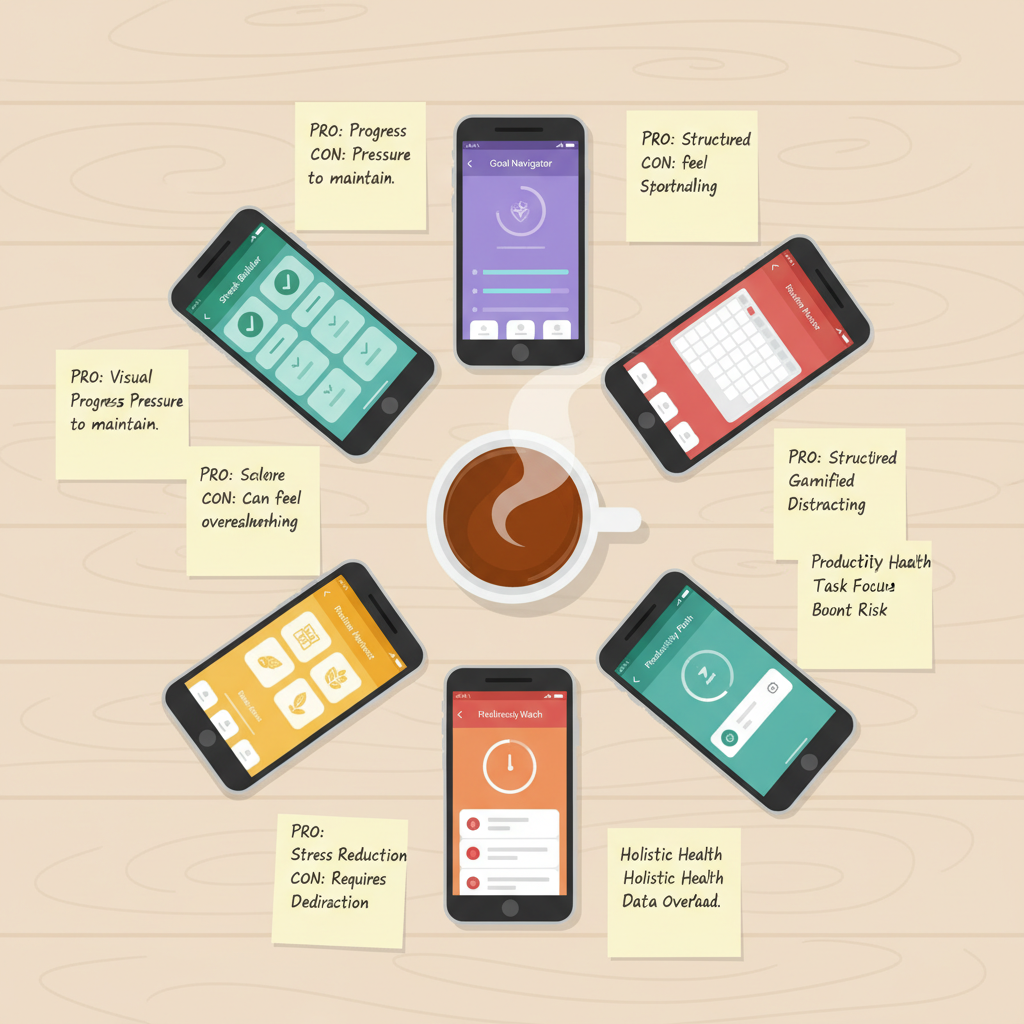
Which Apps Actually Get Intuitive Eating Right (Spoiler: Most Don't)
Most habit tracking apps completely miss the point of intuitive eating. They'll slap "mindful eating" badges on calorie counters and call it a day.
The "Track Everything" Trap: Apps like MyFitnessPal disguised as intuitive eating tools still want you logging every bite. That's literally the opposite of intuitive eating. Fix: Look for apps that track feelings and hunger cues, not food quantities.
Punishment-Based Streaks: I've seen apps that break your streak if you eat "off-plan." Intuitive eating doesn't have cheat days because there's no plan to cheat on. Fix: Find apps where honoring your cravings counts as success.
Generic "Wellness" Goals: Apps pushing 10,000 steps and eight glasses of water aren't listening to your body's unique needs. Your body might need rest, not another fitness challenge.
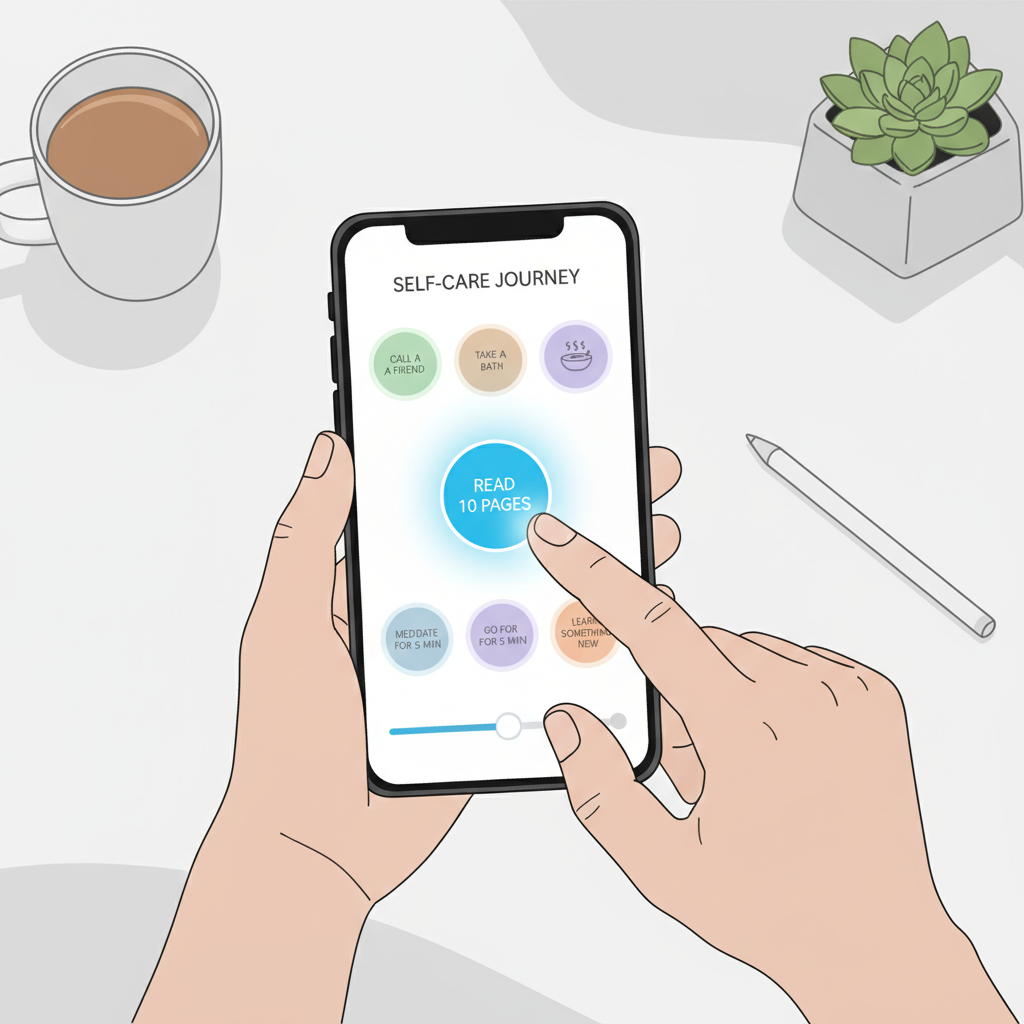
Building Your Own Anti-Diet Reward System That Won't Backfire
I spent months creating elaborate point systems that completely missed the mark. My first attempt? Earning "gems" for eating vegetables and losing points for dessert. Within two weeks, I was gaming my own system—eating a carrot stick just to unlock a reward, then feeling guilty about the ice cream that "cost" me points.
The breakthrough came when I shifted from food-based scoring to behavior-based recognition. Instead of tracking what I ate, I started celebrating moments when I paused to check in with my hunger. Small wins like "noticed I was eating while distracted" or "honored my craving for something crunchy."
The rewards had to be non-food too. I'd unlock a new playlist, buy fancy tea, or take a longer shower. Nothing that reinforced the earn-your-food mentality that kept me stuck in diet thinking for years.
Frequently Asked Questions
Will habit tracking apps make me more obsessive about food and eating?
Honestly, they can if you're not careful - I've seen people turn intuitive eating into another set of rigid rules to track perfectly. The key is finding apps that let you track feelings and hunger cues rather than calories or "good" vs "bad" eating choices, and being willing to skip days when tracking feels stressful.
Do the game-like features actually help with intuitive eating or just create pressure?
From what I've experienced, the gentle gamification works best - like earning points for checking in with your hunger levels or celebrating streaks of mindful eating. The problem comes when apps make you feel like you're "failing" if you don't log everything perfectly, which totally goes against the whole intuitive eating philosophy.
Should I avoid habit trackers if I'm recovering from disordered eating?
I'd honestly be really cautious and probably skip them early in recovery - the tracking itself can trigger old restrictive patterns even when the content is supposedly "healthy." If you do want to try one later, I'd recommend starting with apps that focus purely on emotional awareness and body cues, not food-related habits at all.
My Honest Take on This
Here's what I'd do: pick one app this week and just start. Don't spend three months researching the "perfect" habit tracker while your intuitive eating goals collect dust. I've learned that messy action beats perfect planning every single time. Your future self will thank you.


