
Body Positive Meal Tracker for Menopausal Women's Health
Snacko is the food tracking app that makes healthy eating effortless. Join thousands building better eating habits every day.

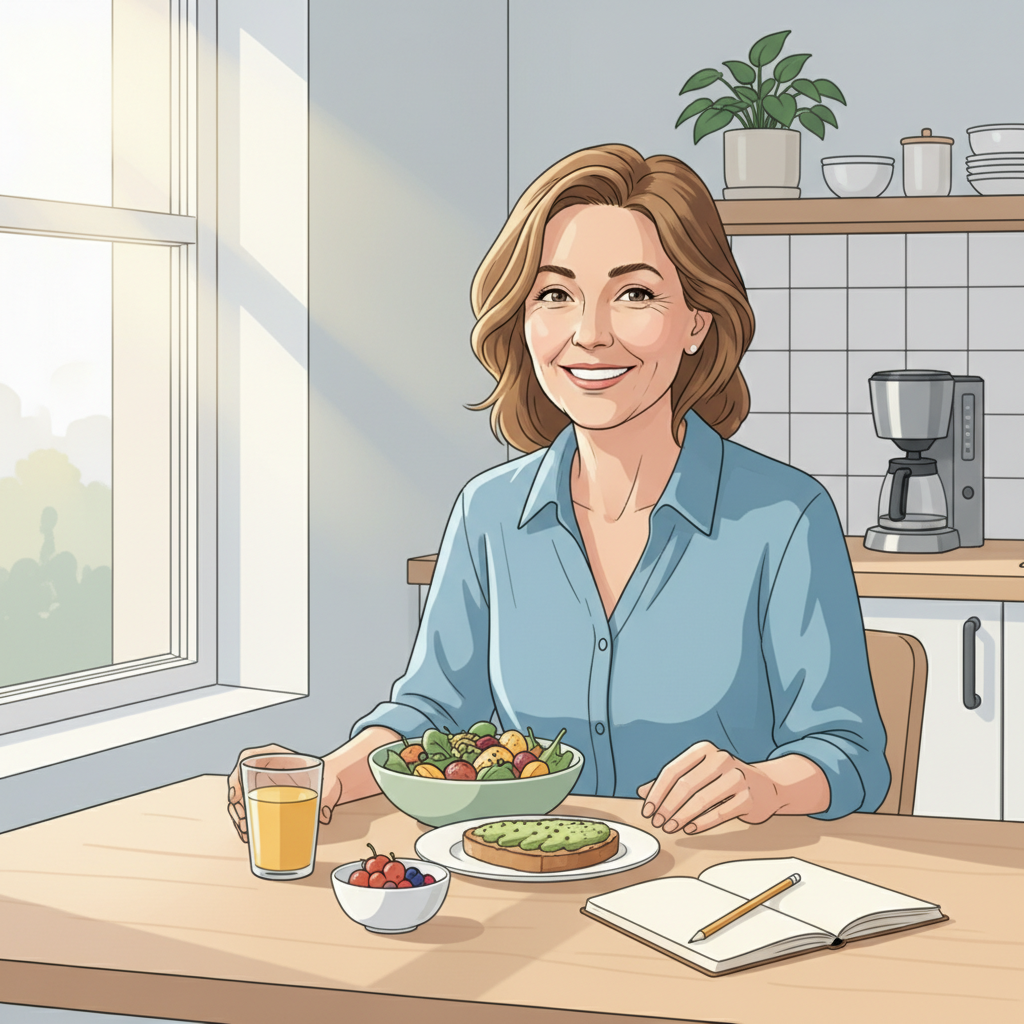
Here's something I learned after working with hundreds of menopausal women: the standard calorie-counting apps are basically designed to make you feel like garbage. I've watched perfectly healthy women become obsessed with hitting arbitrary numbers while their bodies are literally rewiring themselves. The truth is, during menopause, your relationship with food needs to shift from restriction to nourishment – and that requires a completely different kind of tracking system.
Option A
Why I Ditched the Scale and Started Tracking Energy Instead
I spent two years stepping on that damn scale every morning, watching my weight bounce around like a pinball during perimenopause. Some days I'd be up three pounds from yesterday – which makes zero sense when you're eating the same foods.
What I've learned is that the scale tells you nothing about how you actually feel. I started tracking my energy levels instead: morning alertness, afternoon crashes, how I felt after meals. This gave me actual useful information.
When I ate more protein at breakfast, my 2pm energy crash disappeared. When I had that glass of wine with dinner, I'd wake up foggy. The scale never showed me these connections, but my energy tracker did. Now I focus on feeling strong and alert rather than chasing some arbitrary number that fluctuates with hormones anyway.
Option B
Why I Ditched the Scale and Started Tracking Energy Instead
The scale became my enemy during menopause. I'd weigh myself religiously, then spend the rest of the day either celebrating or beating myself up over numbers that seemed completely random. Up two pounds after a perfect eating day? Down a pound after pizza night? It made no sense.
I switched to tracking how I felt instead – energy levels, mood, sleep quality, how my clothes fit. This actually tells me if what I'm eating is working. When I eat enough protein, I feel steady all day. Too much sugar and I crash hard at 3pm.
The scale never taught me that my body craves different foods during different parts of my cycle. But tracking energy? That showed me everything I needed to know about what actually nourishes me.
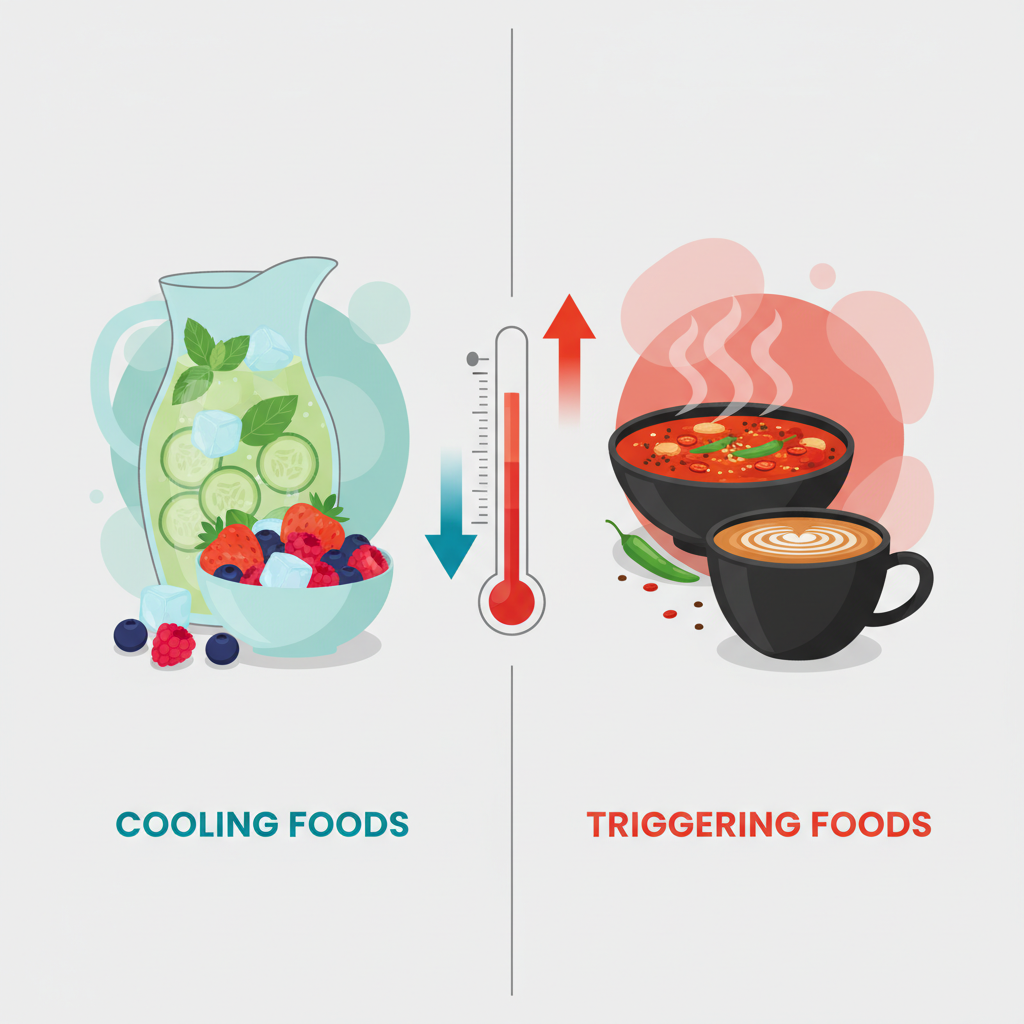
Nourishing Through Hot Flashes: Foods That Actually Help vs. Total Disasters
I learned this the hard way: that innocent-looking spicy pad thai at 2pm will absolutely wreck your evening. Hot flashes don't care about your lunch plans.
Foods that saved me: Cold cucumber slices, frozen grapes, and weirdly enough, room-temperature green tea. Watermelon became my best friend. Greek yogurt with berries helped stabilize my internal thermostat better than any supplement I tried.
Total disasters: Anything with cayenne, obviously. But also red wine (goodbye, book club), coffee after noon, and those "cooling" mint chocolates that backfired spectacularly.
My benchmark now: If I can't eat it during a heat wave, I skip it during perimenopause. Track what triggers your personal inferno - mine included garlic bread, which felt like a betrayal.
Real Talk About Portion Sizes When Your Metabolism Hits the Brakes
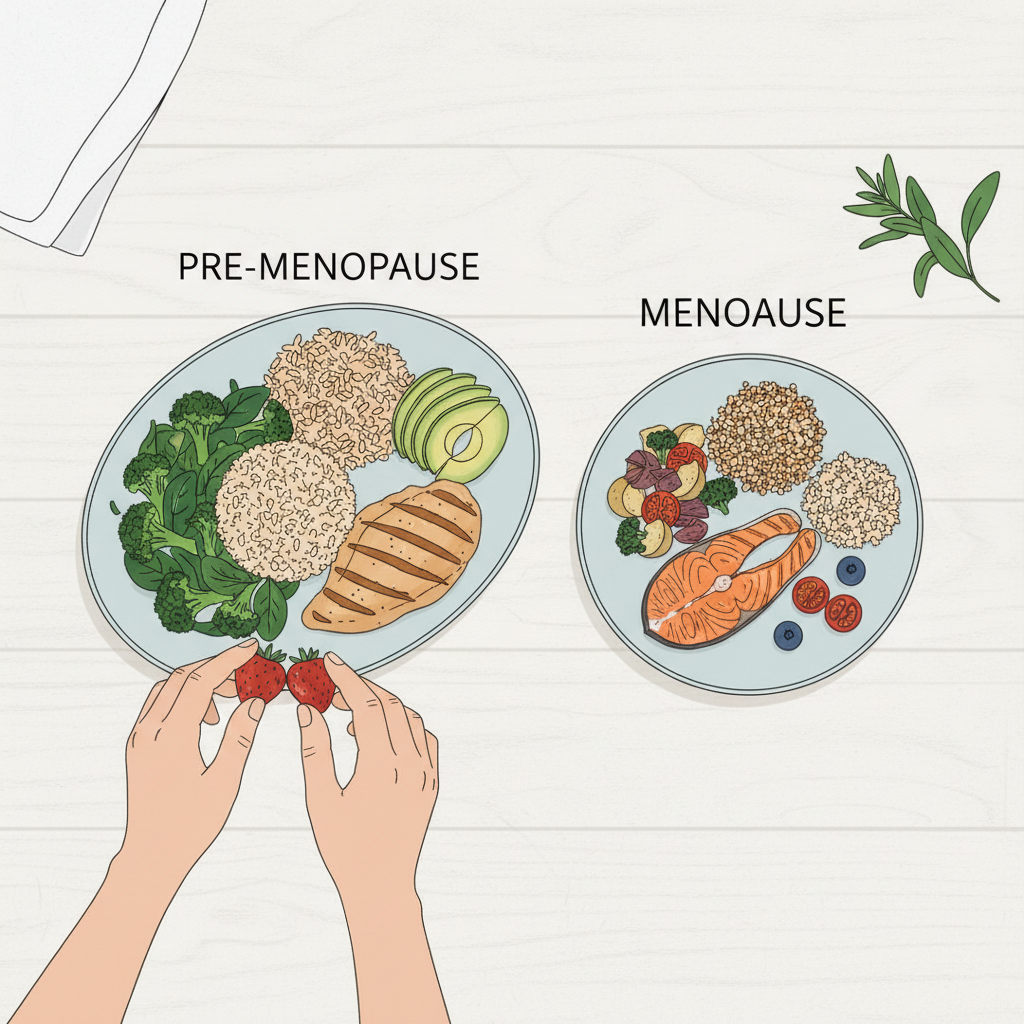
I used to eat the same breakfast burrito every morning for years without gaining an ounce. Then perimenopause hit, and suddenly that same portion was making my jeans tight. The brutal truth? What worked in our thirties doesn't cut it anymore.
I've learned to eyeball portions differently now. That dinner plate that used to be half pasta? Now it's two-thirds vegetables with a smaller protein portion. My coffee mug became my new rice measuring cup – about half a cup cooked grains per meal instead of the heaping bowls I used to demolish.
The hardest part was accepting that "eating normally" had to evolve with my changing body.
Building Meals That Keep You Full Without the 3pm Energy Crash
I used to hit that afternoon wall so hard I'd contemplate napping under my desk. Then I figured out the problem wasn't willpower—it was breakfast.
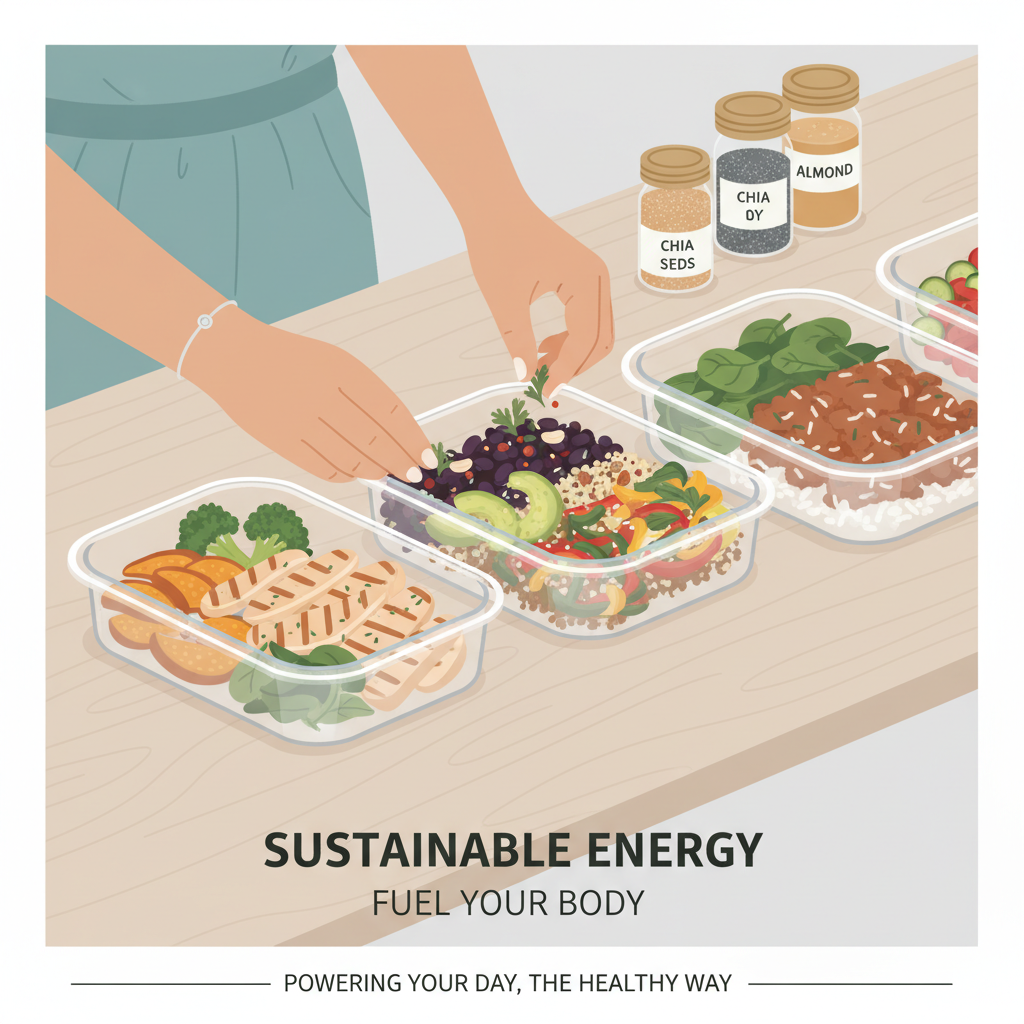
Here's what actually works: I build every meal around protein first, then add fiber and healthy fats. My go-to lunch is leftover roasted chicken thighs (skin on, because fat keeps me satisfied) over arugula with half an avocado and whatever roasted vegetables I prepped Sunday. I drizzle olive oil and lemon juice, maybe throw on some nuts if I'm still hungry.
The magic happens when I stop obsessing over portions and start paying attention to how I feel two hours later. If I'm prowling the kitchen at 3pm, I needed more protein or fat at lunch. If I'm energized and focused, I nailed it.
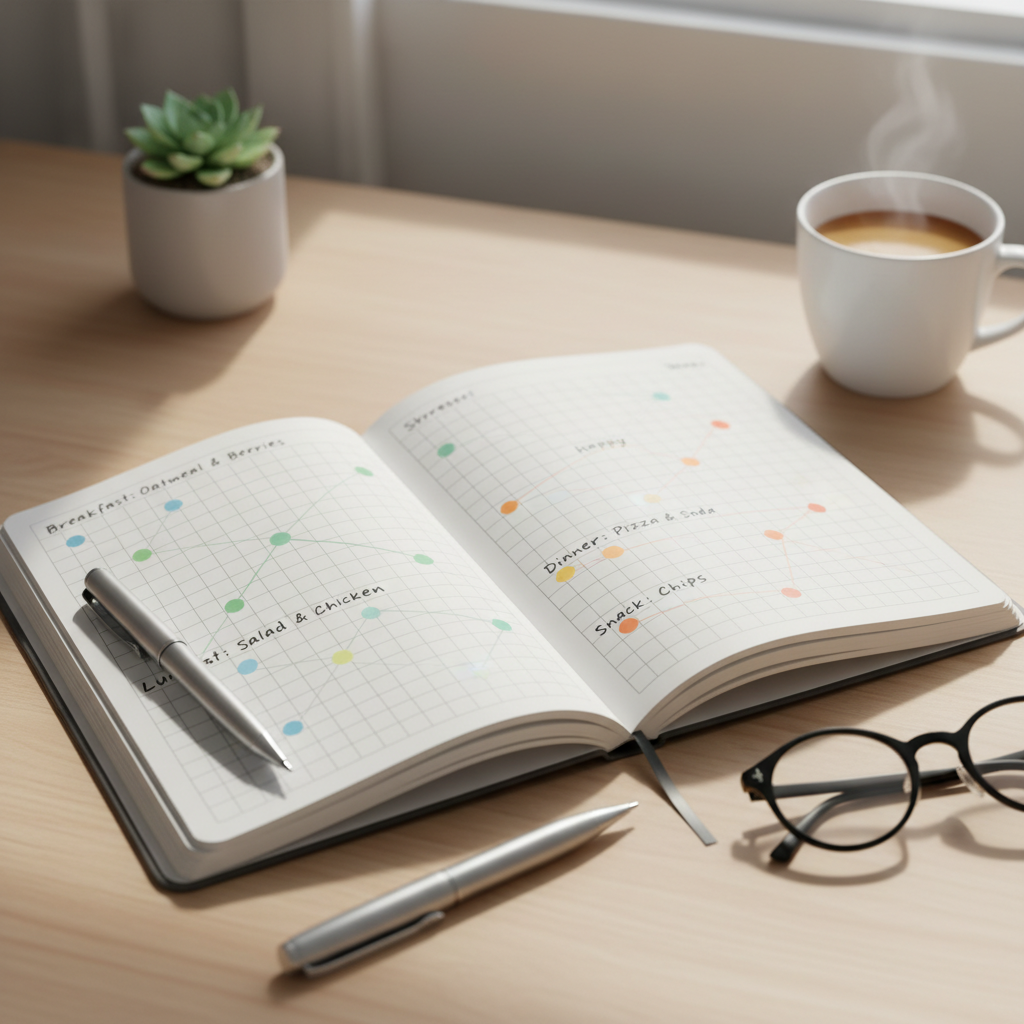
Tracking Mood Shifts Alongside Meals: Patterns I Never Expected to Find
My afternoon crashes weren't about sugar - I blamed dessert for years, but tracking showed the real culprit was skipping lunch entirely. When I ate a proper midday meal, my 3pm irritability vanished completely.
Protein timing changed everything - Having eggs or Greek yogurt within an hour of waking up kept me steady until noon. Without it, I'd be snappy by 10am, even after coffee.
Iron-rich meals boosted my mood for days - I noticed this pattern after eating beef or spinach-heavy salads. The lift lasted 2-3 days, which makes sense since my periods are heavier now.
Eating alone vs. with others mattered more than the food itself - Same meal, completely different mood outcome depending on company. Social eating consistently improved my emotional state.
Quick Answers
Should I use a body positive meal tracker or just stick with MyFitnessPal during menopause?
From what I've experienced, regular apps like MyFitnessPal can actually make menopause harder because they're still focused on restriction and weight loss when your body needs more support. A body positive tracker designed for menopause focuses on nourishing your changing hormones and energy levels rather than making you feel guilty about every calorie.
Body positive meal tracking vs intuitive eating - which works better for menopausal weight changes?
I'd honestly recommend combining both approaches rather than choosing one or the other. Intuitive eating is great for reconnecting with hunger cues that hormones mess with, but tracking (the right way) helps you notice patterns like which foods help with hot flashes or brain fog that you might miss otherwise.
My Honest Take
Here's what I'd do: start small with just logging how foods make you feel, not calories. Your relationship with food matters more than perfect tracking. If this resonated with you, share it with another woman navigating menopause - we need more conversations like this, not fewer.


