
Noom Alternative That's Actually Body Positive Not Diet Culture
Snacko is the food tracking app that makes healthy eating effortless. Join thousands building better eating habits every day.

I've watched so many friends download Noom thinking they'd finally found the "non-diet diet app," only to find themselves obsessing over red foods and feeling guilty about eating a banana. The irony? Most people looking for Noom alternatives are actually seeking what they thought Noom would be—genuine body positivity without the hidden diet culture messaging. After seeing this pattern repeat itself, I started digging into apps that actually walk the walk instead of just talking a wellness-wrapped weight loss game.
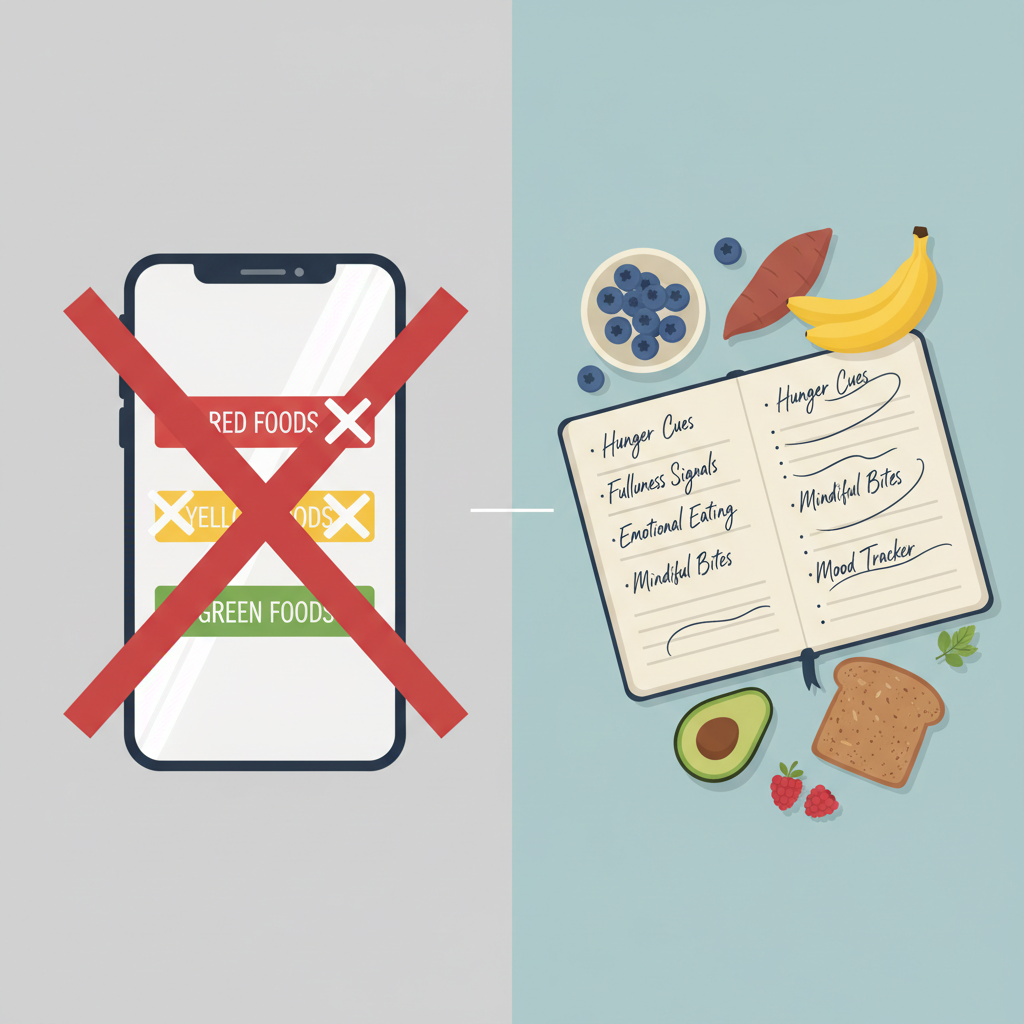
Why I Ditched Color-Coded Food Shaming for Intuitive Check-Ins
I spent months logging everything into Noom's red-yellow-green system, feeling guilty every time I wanted pizza. That color coding just reinforced diet mentality—good foods, bad foods, shame spirals when I ate "too much red."
What actually changed my relationship with food was learning to check in with myself before eating. Not "Is this allowed?" but "Am I actually hungry? What sounds good to my body right now?"
These intuitive check-ins taught me the difference between stress eating and genuine hunger. Way more useful than being lectured about the evils of cheese.
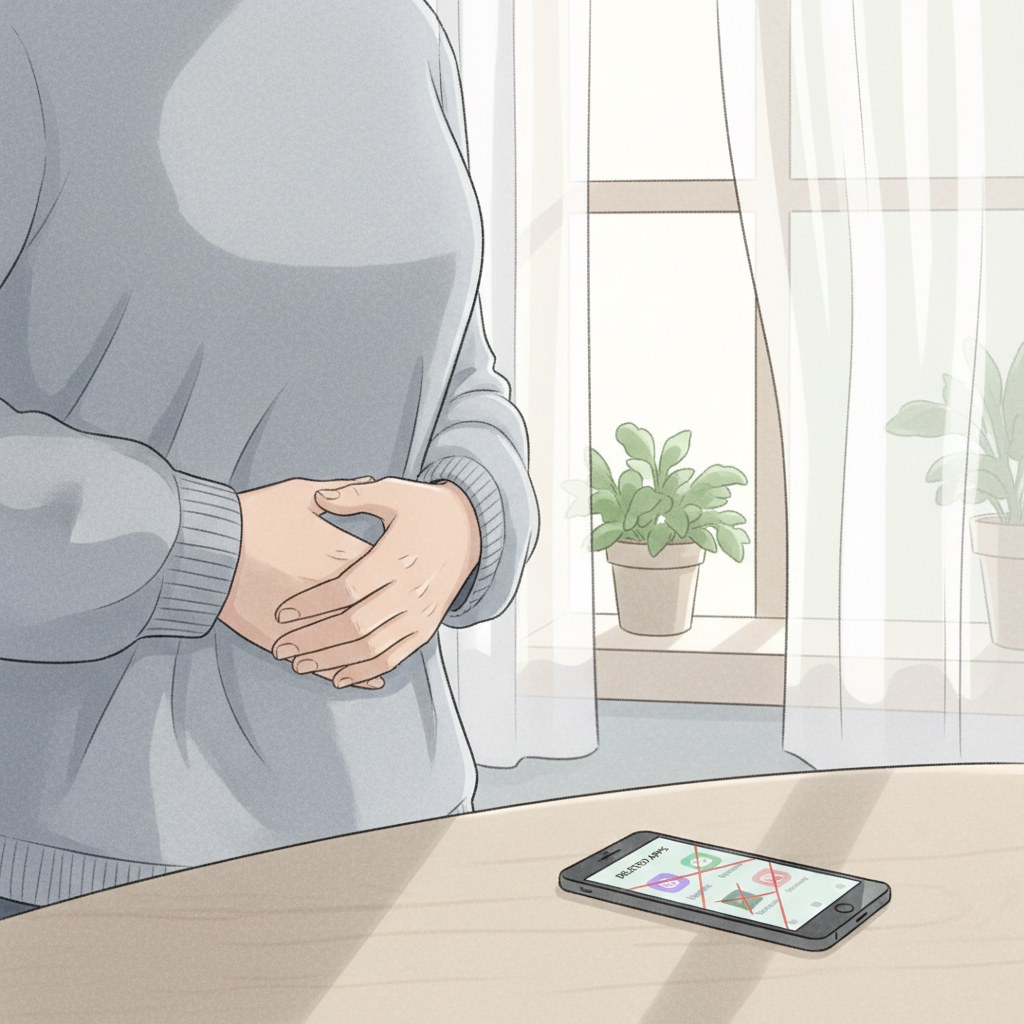
Building Trust with Your Body After Years of Diet App Mind Games
The Diet App Survivor: "After three years of Noom constantly telling me I was making 'poor choices' when I ate bread, I genuinely forgot what hunger felt like. Everything became either red, yellow, or green in my head."
The Recovery Voice: "I get it. Those apps mess with your internal signals so badly. What helped me was starting stupidly small - like just noticing when I felt satisfied during one meal per day, no judgment attached. Not tracking it, just noticing."
The Diet App Survivor: "But what if I can't trust myself? What if I just eat pizza forever?"
The Recovery Voice: "You won't. I thought that too, but once you stop making pizza forbidden, it loses its power. I actually eat less of it now because it's not this exciting rebellion anymore."
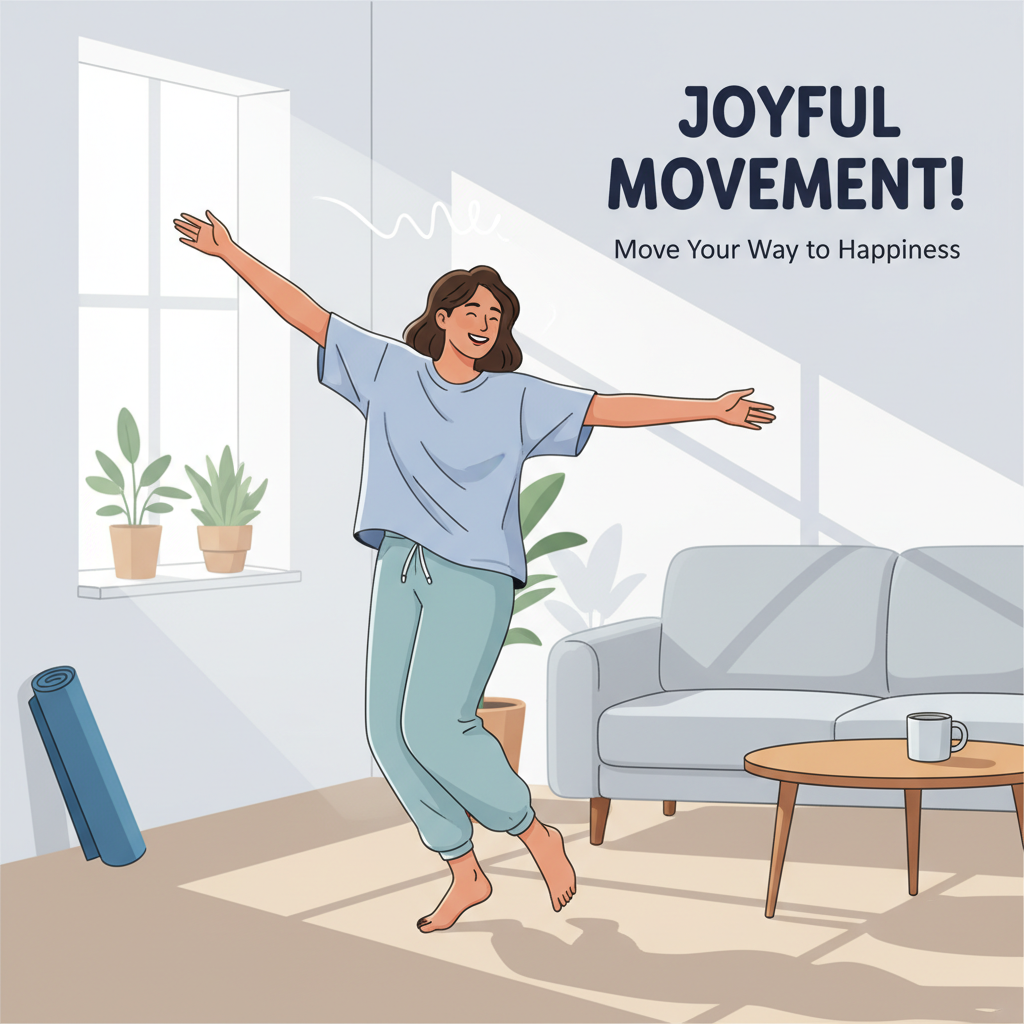
Movement That Actually Feels Good Instead of Punishment Workouts
Myth: Exercise has to be intense and miserable to "count" toward health goals.
Reality: I've learned that sustainable movement is whatever you actually enjoy doing. When I stopped forcing myself through HIIT workouts I hated, I started dancing to music while cooking dinner and taking longer walks with podcasts. Those "easier" activities improved my mood and energy way more than dreaded gym sessions ever did.
Myth: You need structured workout plans and equipment to get benefits.
Reality: Some of my best movement happens when I'm not even thinking about "exercise" - playing with my dog, gardening, or doing deep cleaning while music blasts. The key is finding what feels playful rather than punitive. Your body craves movement, not punishment.
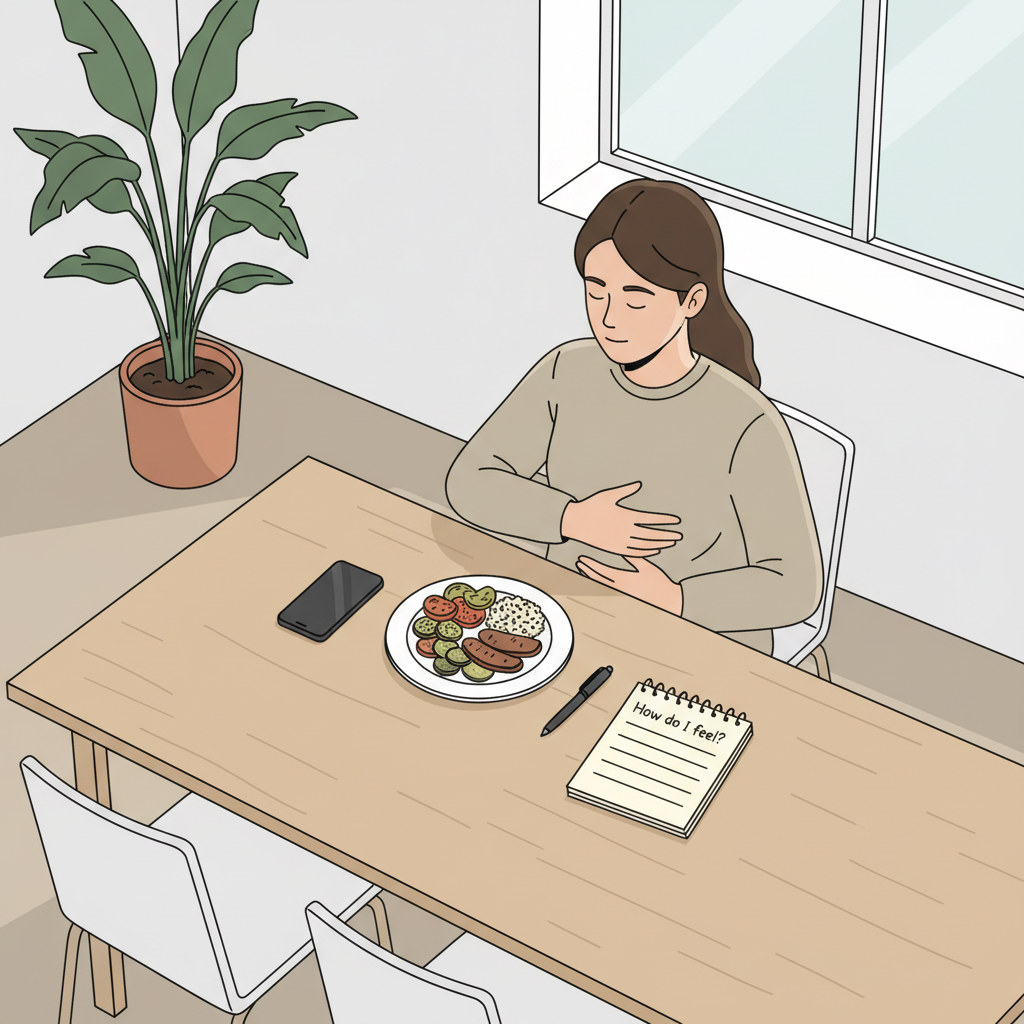
Real Hunger and Fullness Cues vs Manufactured App Portions
I've learned that trusting my body beats any algorithm. When I was using Noom, I'd get these weirdly specific portions - like exactly 0.75 cups of rice - that had nothing to do with whether I was actually hungry or satisfied.
The real game-changer was learning to eat slowly and check in with myself mid-meal. Sometimes I'm genuinely hungry for a bigger dinner after a busy day. Other times, I'm satisfied with less than what any app would "allow" me.
I started asking myself: Am I eating this because the app says I should, or because my body wants it? That shift away from external rules toward internal awareness made eating so much less stressful. Your hunger varies day to day - rigid portion control just fights against that natural rhythm.
Creating Sustainable Habits Without the Psychological Manipulation
• Stop tracking everything obsessively - I spent months logging every bite and step, which made me anxious about normal human behaviors like eating out or resting when tired
• Build habits around how you want to feel, not numbers - Instead of "lose 2 pounds this week," try "I want to feel energized after lunch" or "I want to sleep better"
• Start stupidly small - I mean adding one vegetable to dinner, not overhauling your entire life on Monday morning
• Pay attention to what actually makes you feel good - For me, it's morning walks and eating enough protein, not whatever trendy superfood influencers are pushing
• Ditch the all-or-nothing mentality - Missing a workout doesn't mean you've "ruined" anything, it means you're human with a life
What People Ask
Is Intuitive Eating better than Noom for body positivity?
From what I've experienced, intuitive eating is light-years ahead of Noom when it comes to body positivity - it focuses on listening to your body's cues instead of tracking every calorie like you're solving a math problem. Noom still has that diet culture vibe with color-coding foods and weight loss goals, while intuitive eating actually helps you rebuild trust with food and your body.
Noom vs body positive apps - which actually works without the diet mentality?
I'd skip Noom entirely if you want true body positivity and go with apps like Recovery Record or Rise Up + Recover, which focus on healing your relationship with food rather than shrinking your body. Noom markets itself as psychology-based, but it's still fundamentally about weight loss and restriction, which is the opposite of what body positive approaches are trying to achieve.
Should I choose a body positive nutritionist or stick with Noom's coaching?
Honestly, a body positive registered dietitian will give you way more personalized, non-judgmental support than Noom's cookie-cutter coaching messages. I've found that real humans who understand Health at Every Size principles can actually help you work through food issues without the shame spiral that comes with Noom's "you ate too many red foods" notifications.
Here's What I'd Actually Do Right Now
My take? Spend 5 minutes writing down what you genuinely want to feel like in your body - not what you want to look like. That shift from appearance to sensation is where real body positivity starts. It's messy and imperfect, but at least it's yours.


