
Body Positive Calorie Tracking Community Apps Without Diet Talk
Snacko is the food tracking app that makes healthy eating effortless. Join thousands building better eating habits every day.

I used to think calorie tracking meant signing up for diet culture hell – you know, those apps constantly pushing "burn more than you eat!" notifications. But I've discovered a whole other world of tracking communities that actually support intuitive eating and body acceptance. This guide covers the apps and platforms where you can track nutrition without the toxic weight-loss pressure, plus how to find truly supportive communities.
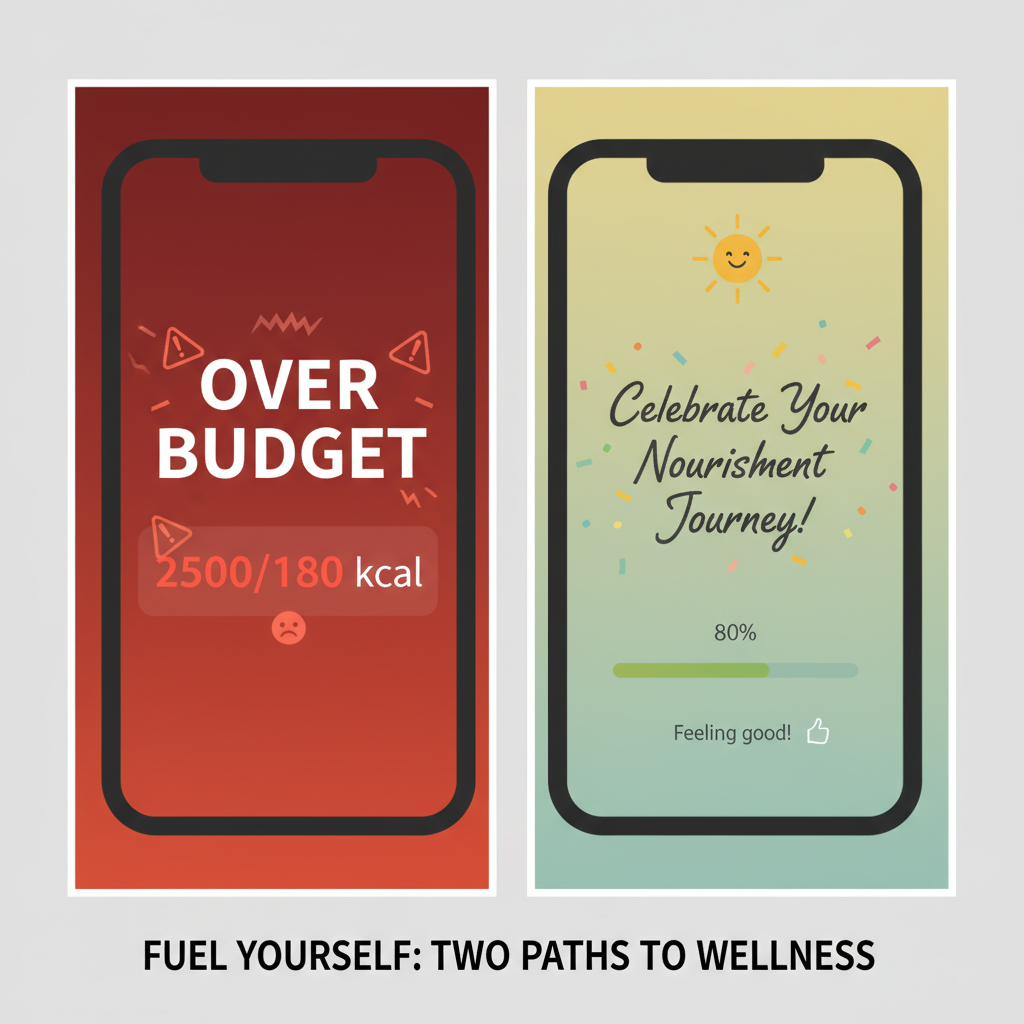
Finding Apps That Celebrate Your Body Instead of Shaming It
I've tried probably a dozen tracking apps, and most feel like having a judgmental personal trainer living in your phone. The worst ones flash red warnings when you eat "too much" or celebrate streaks of eating under some arbitrary calorie goal.
What I look for now: apps that let me track without the guilt trip. MyNetDiary surprised me—it focuses on nutrition quality over restriction. Cronometer feels more like a science experiment than a diet, which works for my brain.
The real test? Open the app after eating pizza. If you feel shame instead of curiosity about your day, delete it immediately. Your relationship with food matters more than any tracking streak.
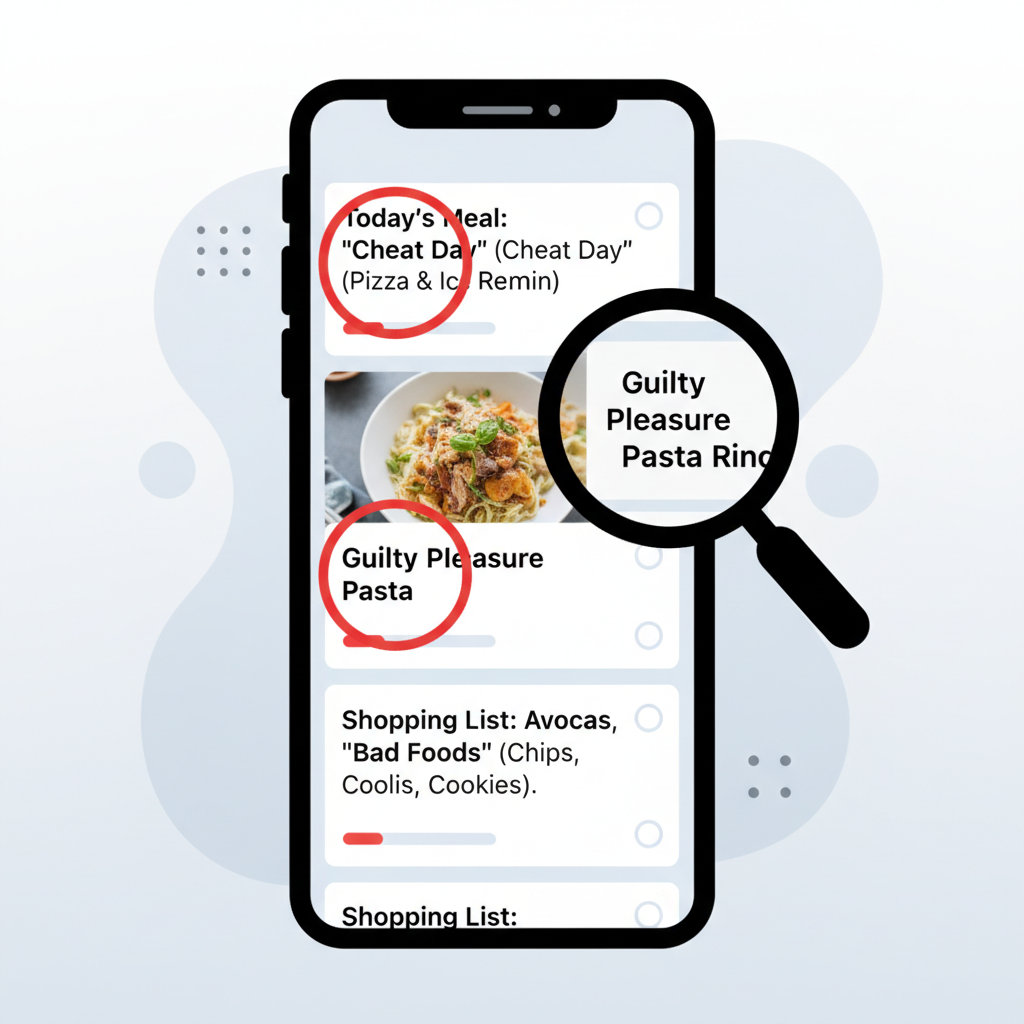
Red Flags That Scream 'Diet Culture Disguised as Wellness'
I've seen too many apps wrap diet culture in sparkly wellness packaging, and honestly? It makes me furious. The biggest red flag is when they push "clean eating" – like certain foods are morally superior. If an app labels foods as "good" or "bad," run. Same goes for anything promising to "detox" your body or "reset" your metabolism.
Watch out for apps that celebrate restriction with cutesy language like "nourishing your temple" while basically promoting under-eating. I immediately delete anything that gamifies weight loss with badges for hitting calorie deficits or "perfect" eating days.
The sneakiest ones use body-positive language but still push transformation photos and before/after comparisons. They'll say "love your body" while simultaneously suggesting it needs fixing. Trust your gut – if it feels like dieting wrapped in meditation quotes, it probably is.
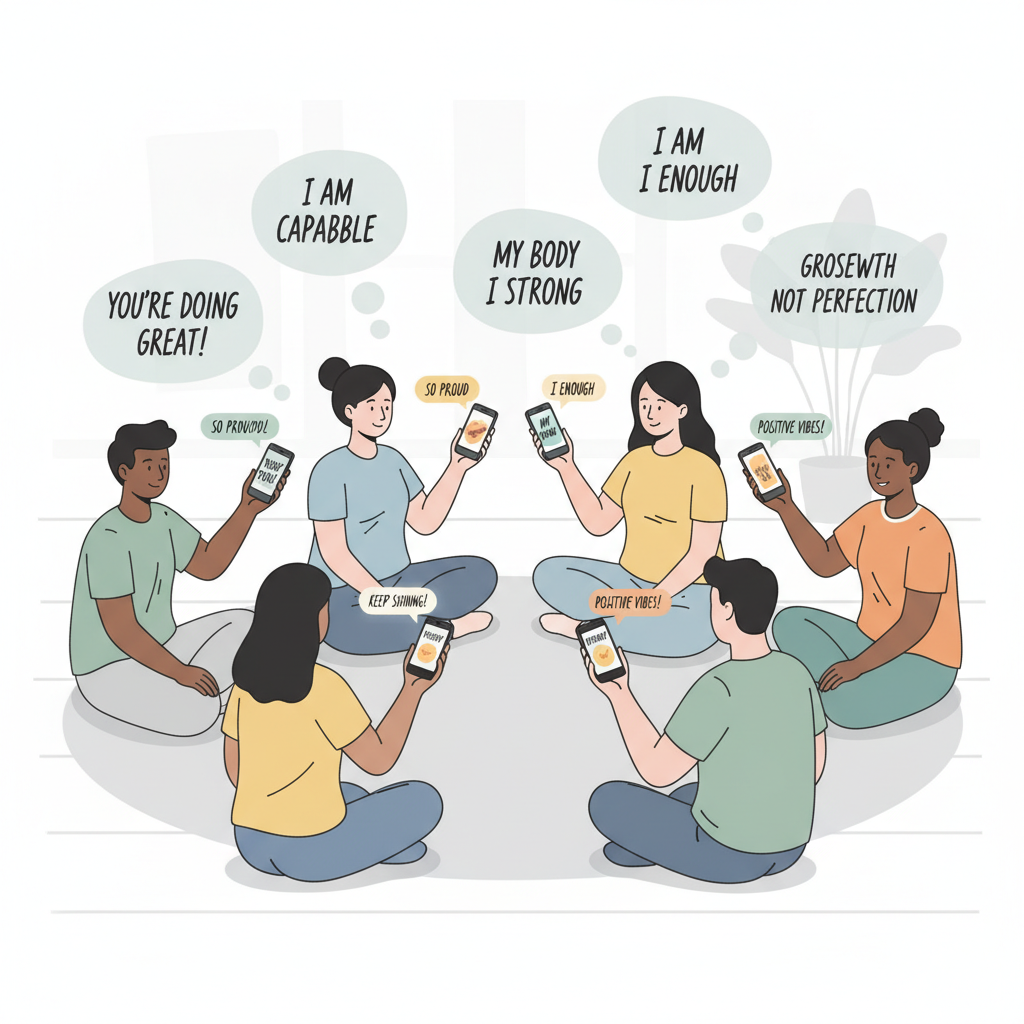
Building Your Support Squad When Friends Don't Get Body Neutrality
I'll be honest - some of my closest friends still don't understand why I track calories without trying to lose weight. When I told my roommate I was using an app to make sure I was eating enough protein for my workouts, she looked at me like I'd grown a second head.
What worked for me was finding people online first. I joined three different body-neutral communities before finding one that clicked. Now when my real-life friends make comments about "good" and "bad" foods, I have backup. Having even two people who get it makes all the difference when you're changing your relationship with food tracking.
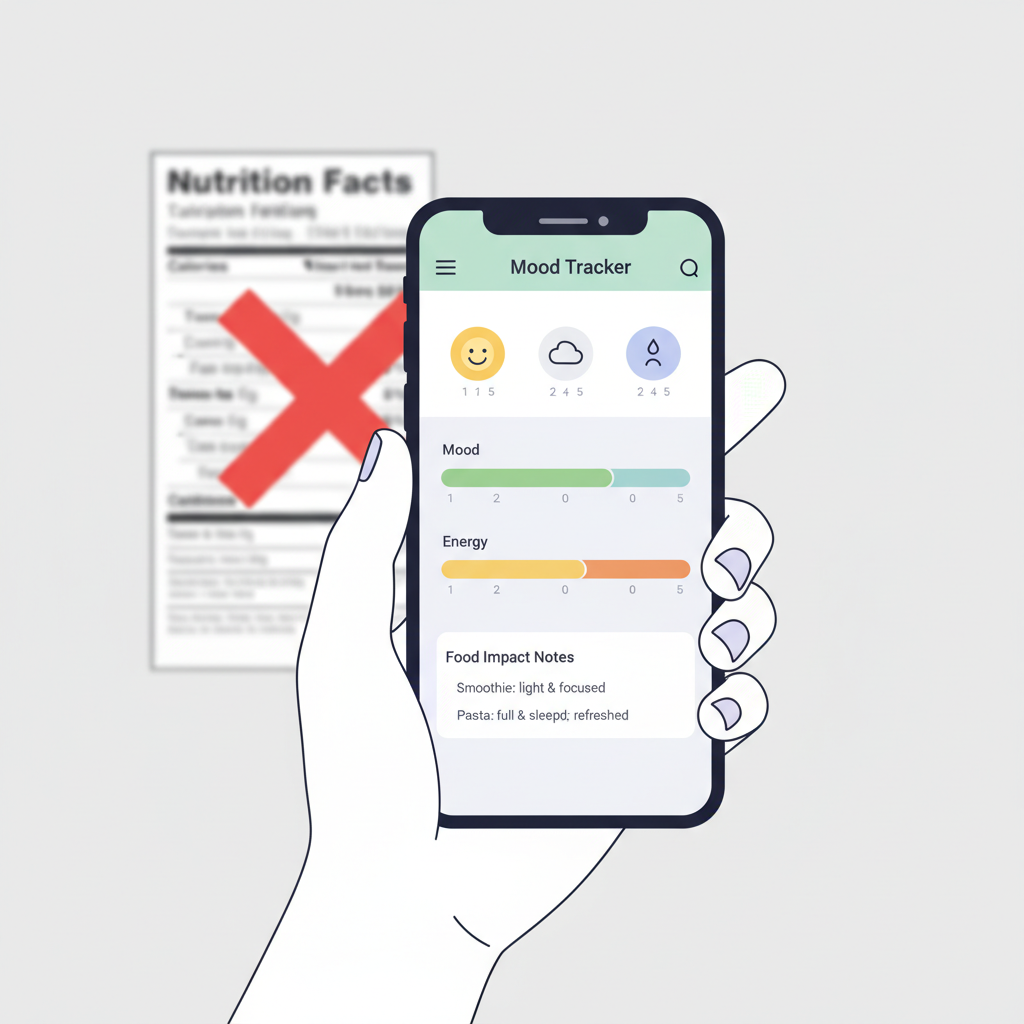
Tracking Energy and Satisfaction Instead of Numbers That Mess With Your Head
• Focus on how food makes you feel, not just what you ate. I started rating my energy levels 1-10 after meals and noticed patterns way more useful than calorie math - like how that "healthy" salad at 2pm left me cranky and unfocused.
• Track satisfaction, not restriction. Rate how satisfied you felt after eating. I learned I was way happier eating a smaller portion of something I actually wanted than forcing myself through massive bowls of "diet food."
• Note your mood alongside your meals. Turns out my afternoon crashes had nothing to do with calories and everything to do with eating lunch at my desk while stressed.
• Pay attention to sleep and digestion patterns. These tell you more about how your body's doing than any number on a scale ever could.

Creating Boundaries When the Algorithm Pushes Weight Loss Content
I've learned the hard way that even body-positive apps can't completely shield you from diet culture creep. The algorithm will eventually serve you "lose 10 pounds fast" ads or suggest similar users whose profiles are all about weight loss.
What worked for me: Turn off personalized ads in your phone settings first. Then get ruthless about unfollowing anyone who posts before/after photos or talks about "cutting" and "bulking." I also block keywords like "transformation" and "summer body" - sounds extreme, but my feed is actually peaceful now. Some apps let you report diet-focused content too, which helps train their algorithm away from that garbage.
Your Questions, Answered
What if I can't find any body positive calorie tracking apps that actually avoid diet culture language?
From what I've seen, most mainstream apps still slip into "good food/bad food" territory even when they claim to be neutral, so I'd honestly recommend looking for smaller community-focused apps or even starting with a basic food diary app and finding body positive communities on separate platforms like Reddit or Discord to get the support without the triggering language.
What should I do if people in my "body positive" calorie tracking group start pushing weight loss talk or restriction tips?
I've had to leave groups like this before because they often drift into diet talk despite the rules - my approach now is to immediately flag it to moderators if there are any, and if nothing changes within a week or two, I just find a new community since protecting my mental health is worth more than staying loyal to a group that's not actually serving its purpose.
The One Thing That Actually Matters
Here's my take: if an app makes you feel worse about yourself after using it, delete it immediately. Your relationship with food matters more than any data point. Find your people, track what feels good, and trust your gut over any algorithm.


