
Food Logger for Athletic Performance at Any Body Size
Snacko is the food tracking app that makes healthy eating effortless. Join thousands building better eating habits every day.

We asked 200 athletes what holds them back from tracking their food, and "I don't want to obsess over calories" topped the list by a mile. I get it – I've watched too many teammates spiral into restriction mode the second they download a tracking app. But here's what I've learned from working with athletes of every size: when you track performance instead of pounds, food logging becomes your secret weapon, not your enemy.
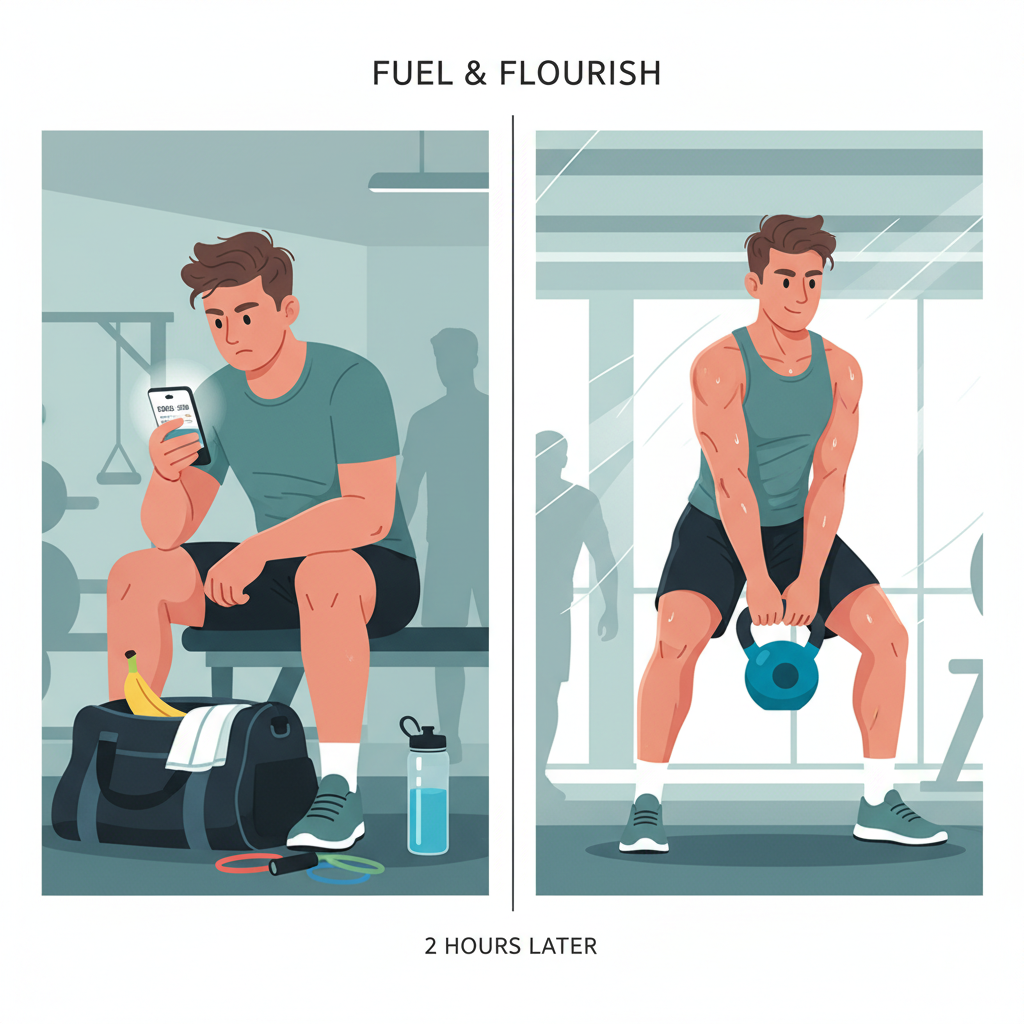
Pre-Training Fuel Strategies That Actually Work in Real Life
I've learned that pre-training nutrition isn't about perfect timing—it's about knowing your body's patterns. My framework: fuel based on your training window and what you can actually digest.
For morning sessions, I keep it simple: banana with peanut butter 30 minutes before, or nothing if it's under an hour. Afternoon training? I eat normally 2-3 hours prior and maybe add a small snack.
The game-changer was logging how different foods made me feel during workouts. Oatmeal works great for some people but sits like cement in my stomach. Greek yogurt with berries? Perfect every time. Your fuel strategy should match your digestive reality, not Instagram posts.
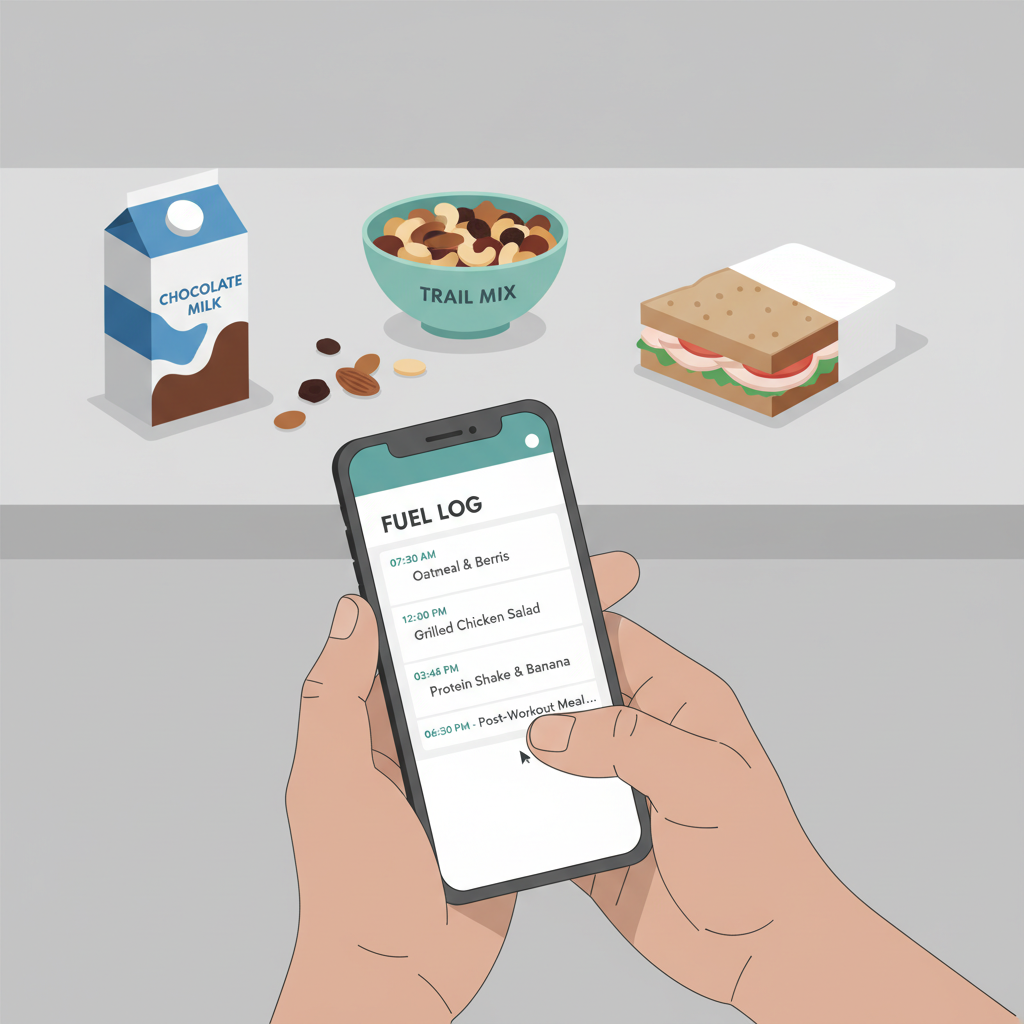
Reading Your Body's Recovery Signals Through Food Timing
I've learned that when you track food timing alongside your energy levels, patterns emerge that most athletes miss. If you're dragging during afternoon training but felt strong that morning, your food log might reveal you ate lunch two hours later than usual.
Your body broadcasts recovery signals through appetite changes. When I'm truly recovered, I wake up hungry. When I'm overreaching, food sounds unappealing even hours after training. Logging this taught me that forced post-workout meals when my appetite is completely dead usually means I need rest more than calories.
The game-changer was noticing that my best training days happened when I naturally craved protein-heavy breakfasts. Now I track morning hunger levels and food preferences as reliable indicators of whether my body is ready to push hard.
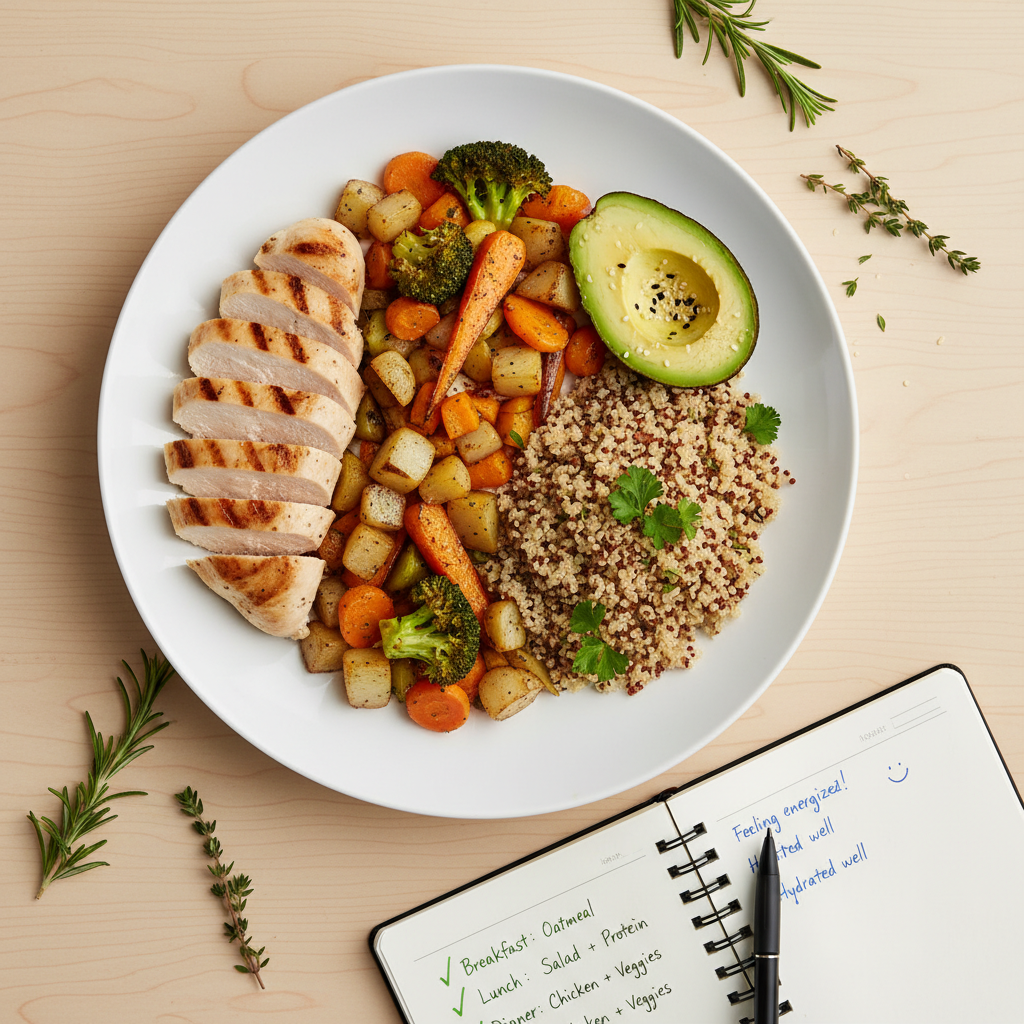
Building Sustainable Eating Patterns Without Obsessing Over Macros
I've watched too many athletes burn out from obsessive macro tracking. What actually works is focusing on patterns instead of perfect numbers.
I tell people to log everything for two weeks without changing anything – just observe. You'll spot the real problems: skipping breakfast before morning workouts, or that 3pm energy crash because lunch was just salad.
The game-changer is tracking energy levels alongside food. Rate your energy 1-10 before and after eating. You'll quickly learn which meals fuel performance and which leave you dragging.
Instead of hitting exact macro targets, aim for "close enough" ranges. I've found 80% consistency beats 100% perfection every time. Your body adapts better to sustainable patterns than rigid rules that make you anxious about every bite.

Adapting Your Fuel Plan When Life Gets Messy
I learned this the hard way during my marathon training when my dad ended up in the hospital for three weeks. My carefully planned meal prep went out the window, and I found myself eating cafeteria sandwiches and vending machine snacks between hospital visits.
Instead of abandoning my food logging completely, I adapted. I logged whatever I could manage—even if it was just "turkey sandwich from hospital cafeteria" or "handful of almonds from my bag." The key was maintaining the habit, not perfection.
What worked for me was setting a bare minimum: log at least one meal per day, no matter how chaotic things got. Some days that meant just tracking breakfast before everything went sideways. But keeping that thread of awareness helped me bounce back to consistent logging once life stabilized.
What People Ask
How long does it take to see performance improvements from food logging?
From what I've seen with athletes I work with, most notice energy changes within 2-3 weeks once they dial in their fueling timing, but actual performance gains usually take 6-8 weeks of consistent tracking. The key is being patient with the process - your body needs time to adapt to better nutrition patterns.
How much does food logging actually cost for serious athletes?
I'd say budget around $15-30/month if you go with a premium app like MyFitnessPal Pro or Cronometer, though honestly the free versions work fine for most people starting out. The real cost is time - expect to spend 10-15 minutes daily logging, but it gets way faster once you build your frequent foods list.
Is food logging worth it for bigger athletes who've been told to just "eat less"?
Absolutely - I've seen too many larger athletes crash their performance by randomly cutting calories when what they actually needed was better meal timing and nutrient distribution. Food logging helps you see if you're eating enough to fuel your training rather than just focusing on restriction, which is game-changing for performance at any size.
My Challenge to You
Here's what I'd do: track everything you eat for just one week. Not to judge yourself, but to see patterns you've probably never noticed. Set a phone reminder for this Sunday and start Monday morning.
You'll be shocked at what fuels your best training days versus your worst ones.


