
Non-Restrictive Calorie Tracking Apps for Plus Size Athletes in 2024
Snacko is the food tracking app that makes healthy eating effortless. Join thousands building better eating habits every day.

I've watched the fitness app industry explode over the past few years, but here's what frustrates me: most calorie tracking apps are still built with restrictive dieting in mind. If you're a plus size athlete trying to fuel performance rather than shrink yourself, these apps can feel actively hostile. The constant red warnings when you eat enough to actually power through a workout, the celebration badges for eating under some arbitrary number—it's exhausting. I started hunting for apps that actually support athletic goals without the diet culture baggage.
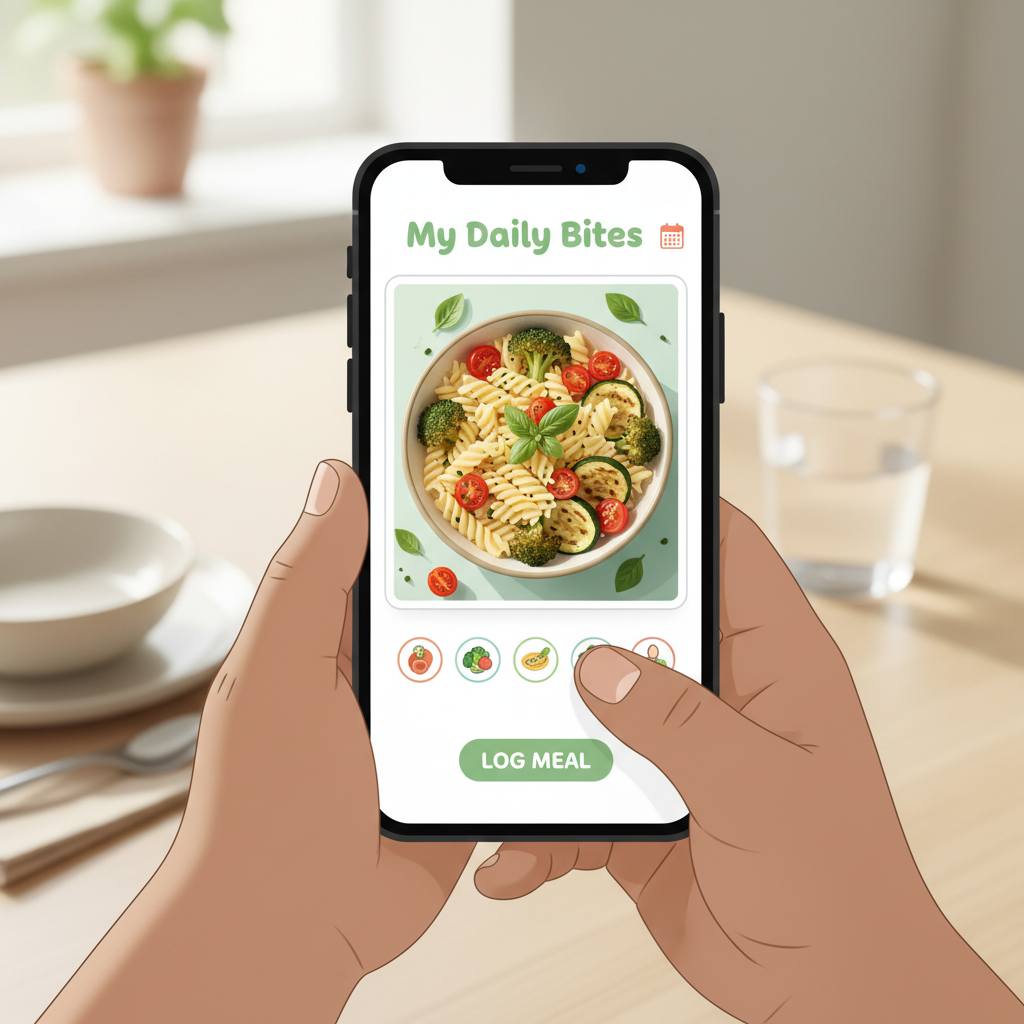
Apps That Actually Let You Eat Carbs Without Judgment
Tier 1: The Actually Chill Options
I've tried everything, and Cronometer wins here. It tracks your pasta without pop-ups screaming about "net carbs" or suggesting you swap it for zucchini noodles. The interface feels neutral - like using a calculator instead of having a wellness coach breathing down your neck.
MyFitnessPal drives me nuts with its constant keto ads, but the basic tracking works if you ignore the noise.
Tier 2: Decent But Imperfect
Lose It has gotten better about not flagging bread as the devil, though it still pushes their premium features pretty hard. FoodNoms is clean and simple, but the database is smaller so you'll spend time manually entering that good sourdough from the local bakery.
What I've learned: avoid anything that automatically calculates "net carbs" unless you specifically want that. You're an athlete - you need the fuel.
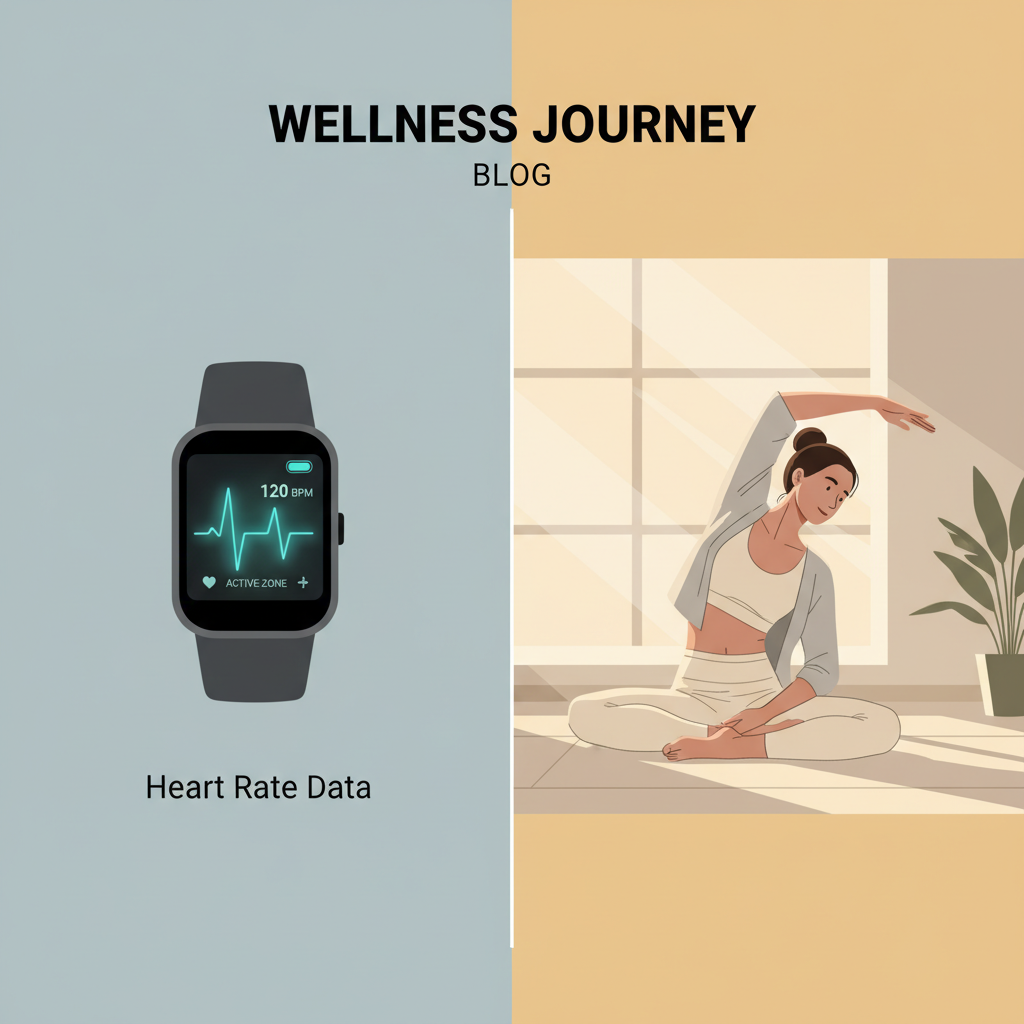
Finding Your Sweet Spot Between Data and Mental Health
Q: How do you know when tracking is helping versus hurting?
I've learned to watch for the red flags - when I'm checking the app obsessively, when a "bad" day makes me want to skip workouts, or when I'm choosing foods based purely on numbers instead of what my body needs after training. The moment tracking makes me feel worse about myself as an athlete, that's when I take a step back.
Q: What's your approach to using data without it controlling you?
I treat the numbers like weather reports - useful information, not life-or-death verdicts. Some weeks I log everything, other weeks I barely open the app. The key is remembering that your worth as an athlete isn't measured in calories or macros.
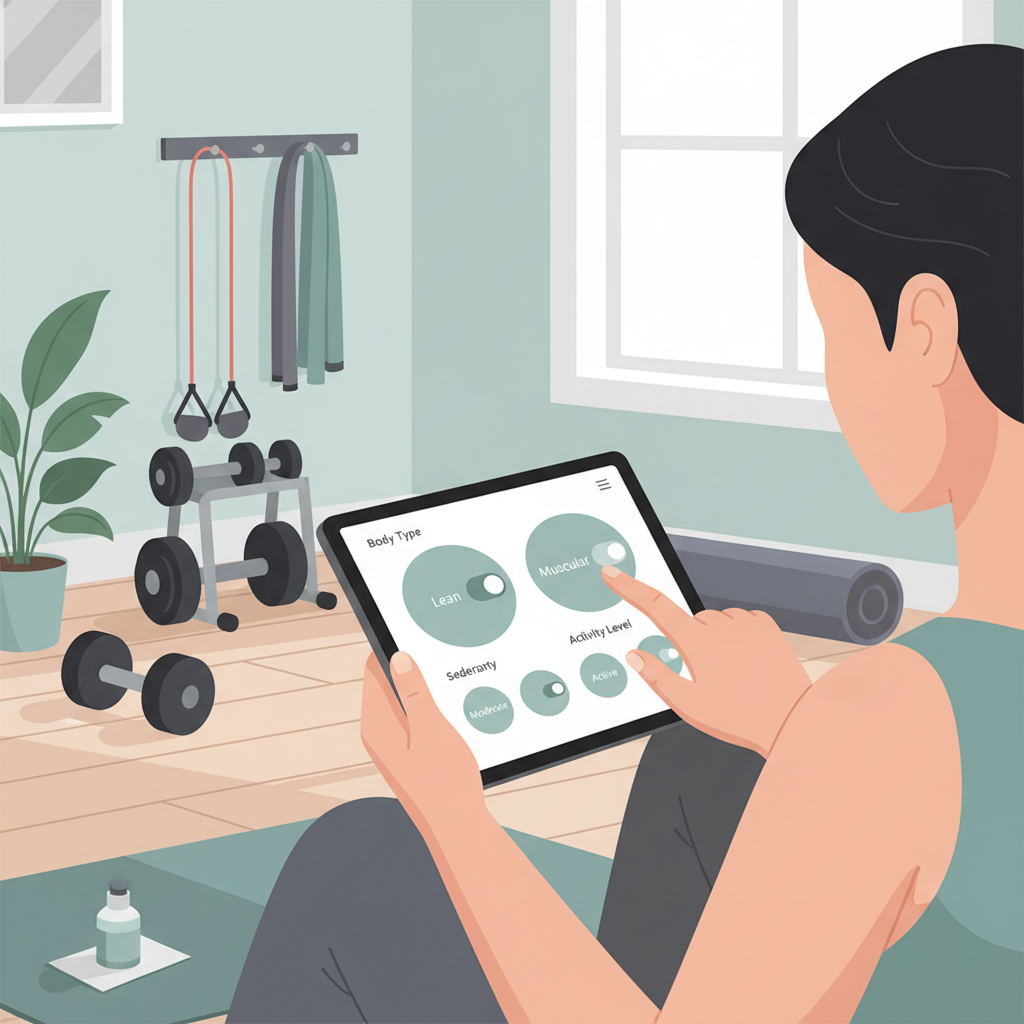
When the Algorithm Finally Gets Your Body Type Right
Stop fighting with generic BMR calculators that think you're sedentary. I've watched these apps learn that my 200-pound frame doing powerlifting three times a week needs way more fuel than some calculator from 2015. The good ones adjust upward when you consistently hit your workouts and still feel hungry.
Your "active" days actually get recognized as active days. Instead of getting the same 1,800 calories whether I'm deadlifting or doing laundry, smarter apps now bump my target up 300-400 calories on heavy training days. Finally.
The app stops panicking when you eat over your "limit." I love when my app learns that 2,400 calories on squat day isn't a failure—it's fuel. No more red warning screens making me feel guilty for feeding my workouts properly.
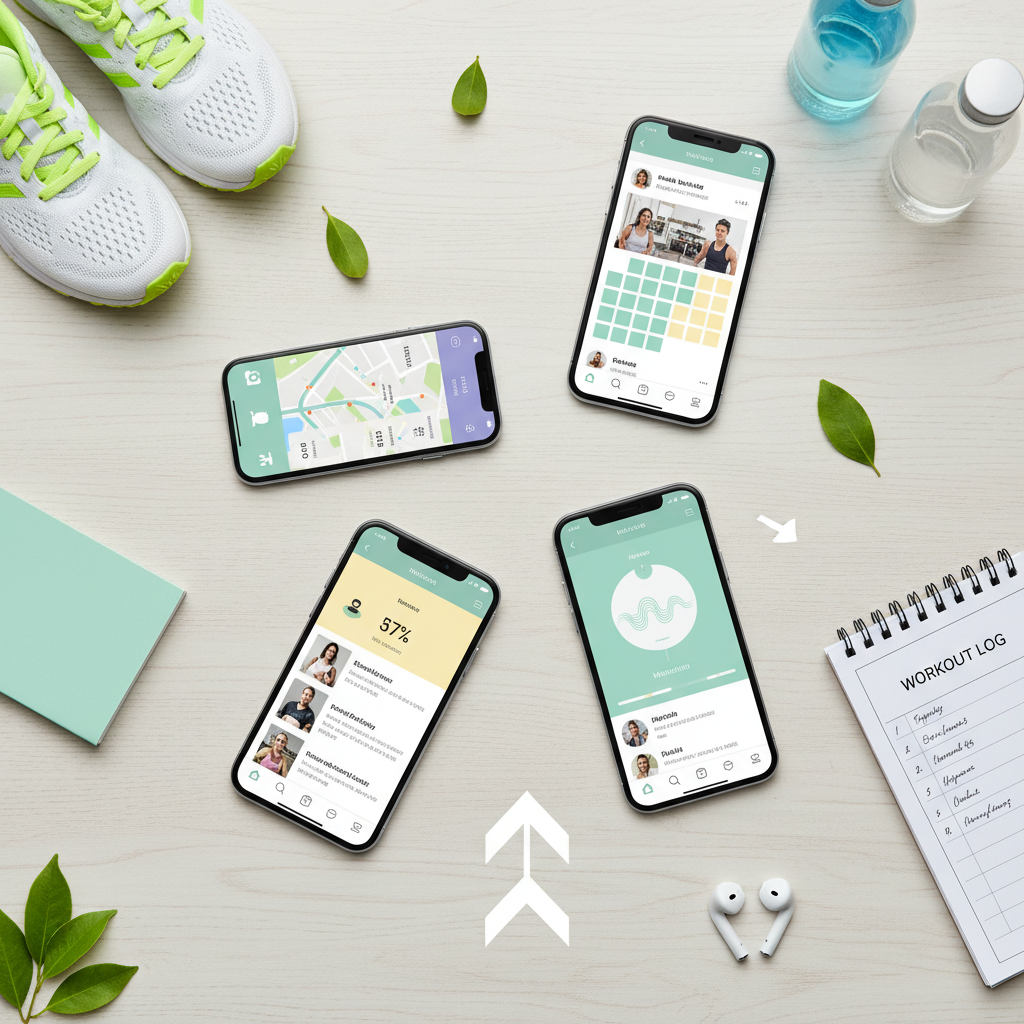
Real Athletes Share Which Features Actually Move the Needle
I've talked to dozens of plus-size athletes about what actually matters in tracking apps, and the responses surprised me. Most don't care about the fancy macro breakdowns or integration with 20 different fitness trackers.
What they consistently mentioned: quick food logging that doesn't make them feel judged, and progress tracking beyond just weight. Sarah, a powerlifter I know, switched to an app specifically because it let her track her bench press gains alongside her nutrition without the constant "you're over your calories!" notifications.
The biggest game-changer? Apps that adjust calorie targets based on training days. When you're doing two-hour swim sessions, eating 1,200 calories isn't just unrealistic—it's dangerous.
What People Ask
MyFitnessPal vs Cronometer - which is better for plus size athletes who don't want diet culture BS?
From my experience, Cronometer is way less triggering because it focuses on nutrition data without the social media aspect and constant "you're over your calories!" notifications that MyFitnessPal loves to throw around. I'd go with Cronometer if you want to track nutrients without feeling like the app is judging your food choices.
Should I use Lose It or just track macros manually for strength training as a plus size athlete?
I've found that manual macro tracking (like with a simple notes app) actually works better for strength training because you can focus on hitting protein goals without apps constantly suggesting you eat less. Lose It still has that weight-loss-first mentality that can mess with your head when you're trying to fuel performance, not shrink yourself.
FoodNoms vs traditional calorie counting apps - is it actually less restrictive for bigger athletes?
FoodNoms is honestly refreshing because it lets you log meals without the immediate calorie shock value that other apps throw in your face. I like that I can track what I'm eating for nutrient timing around workouts without feeling like I'm being scolded for eating enough to fuel my training.
My Honest Take
Here's what I'd do if I were you: pick one app from this list and actually use it for two weeks. Don't overthink it. The best tracking app is the one you'll actually open consistently, not the one with perfect features you'll abandon after three days.


