
Calorie Awareness Apps for Diabetes Management Without Diet Culture
Snacko is the food tracking app that makes healthy eating effortless. Join thousands building better eating habits every day.

Last week, I watched my friend Maria throw her phone across the room after her calorie app labeled her post-lunch glucose snack as "over budget" in screaming red text. She'd been managing her Type 2 diabetes beautifully for months, but suddenly felt like a failure for eating when her body needed fuel. This exact scenario is playing out everywhere, and honestly, it's breaking my heart.
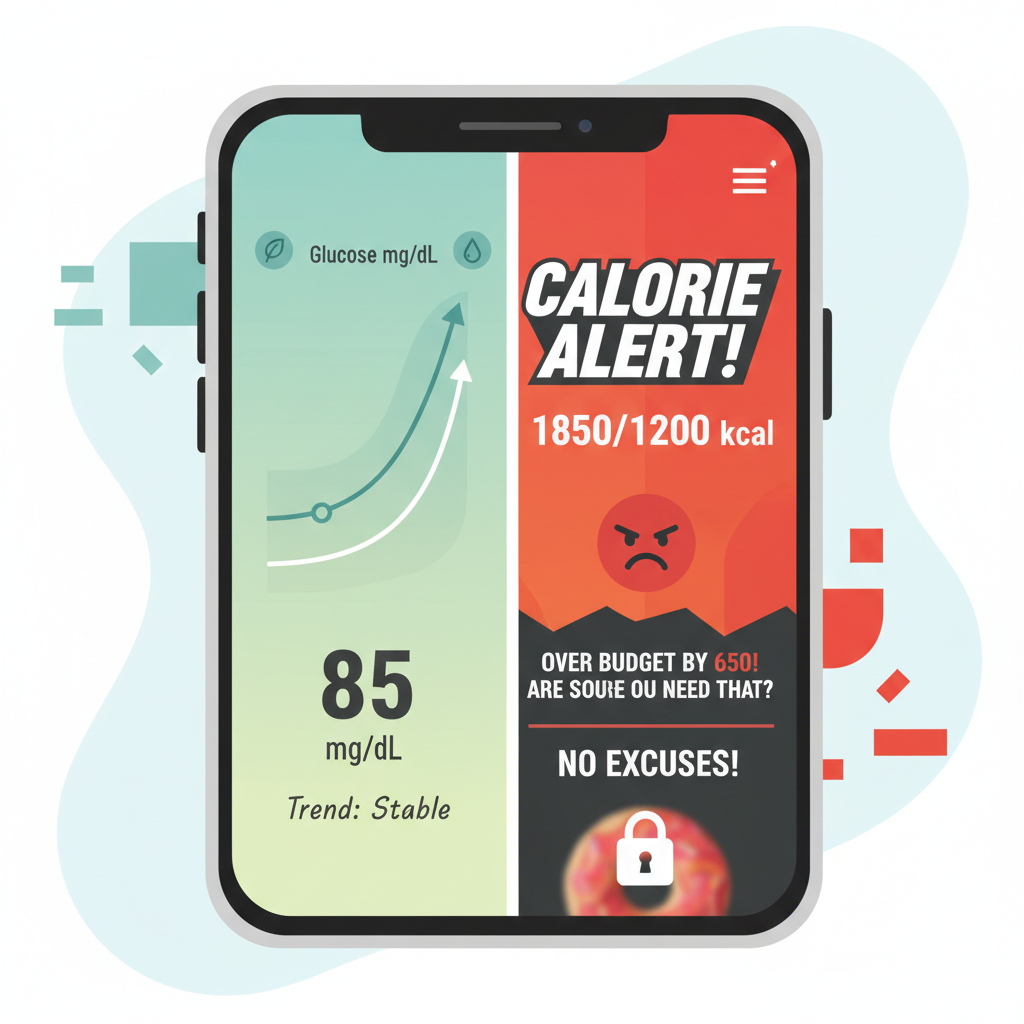
Finding Apps That Track Blood Sugar Patterns Instead of Judging Your Food Choices
I spent months using apps that made me feel terrible about eating a banana because of its "sugar content" - completely ignoring that my blood sugar barely moved. The breakthrough came when I switched to Glucose Buddy and started tracking actual readings alongside meals instead of chasing color-coded food ratings.
MySugr became my go-to because it shows patterns without the shame spiral. When I log "pizza and salad," it just records my 140 mg/dL reading two hours later - no red warnings about carbs or guilt-inducing graphics.
The game-changer was realizing that my morning oatmeal (supposedly "bad") kept me steadier than the protein bar (supposedly "good") that spiked me to 180. Data beats diet culture every time.

Three Months of Testing: Which Features Actually Help vs. Which Ones Trigger Food Anxiety
Q: Which features actually helped your diabetes management?
A: The carb counter and blood sugar logging combo was a game-changer. I could see patterns like how my morning oatmeal spiked me differently than afternoon rice. The simple traffic light system in MyFitnessPal worked too - green, yellow, red for staying in my carb range without obsessing over exact numbers.
Q: What features made you feel worse about food?
A: Daily calorie goals were brutal. I'd hit my limit by lunch and spend the rest of the day feeling guilty about dinner. The "streak" counters stressed me out - missing one day felt like failure. Photo logging was the worst - turning every meal into a performance.
Q: Any middle-ground features?
A: Meal timing reminders helped without judgment. I turned off all the congratulatory messages and red warning alerts though.
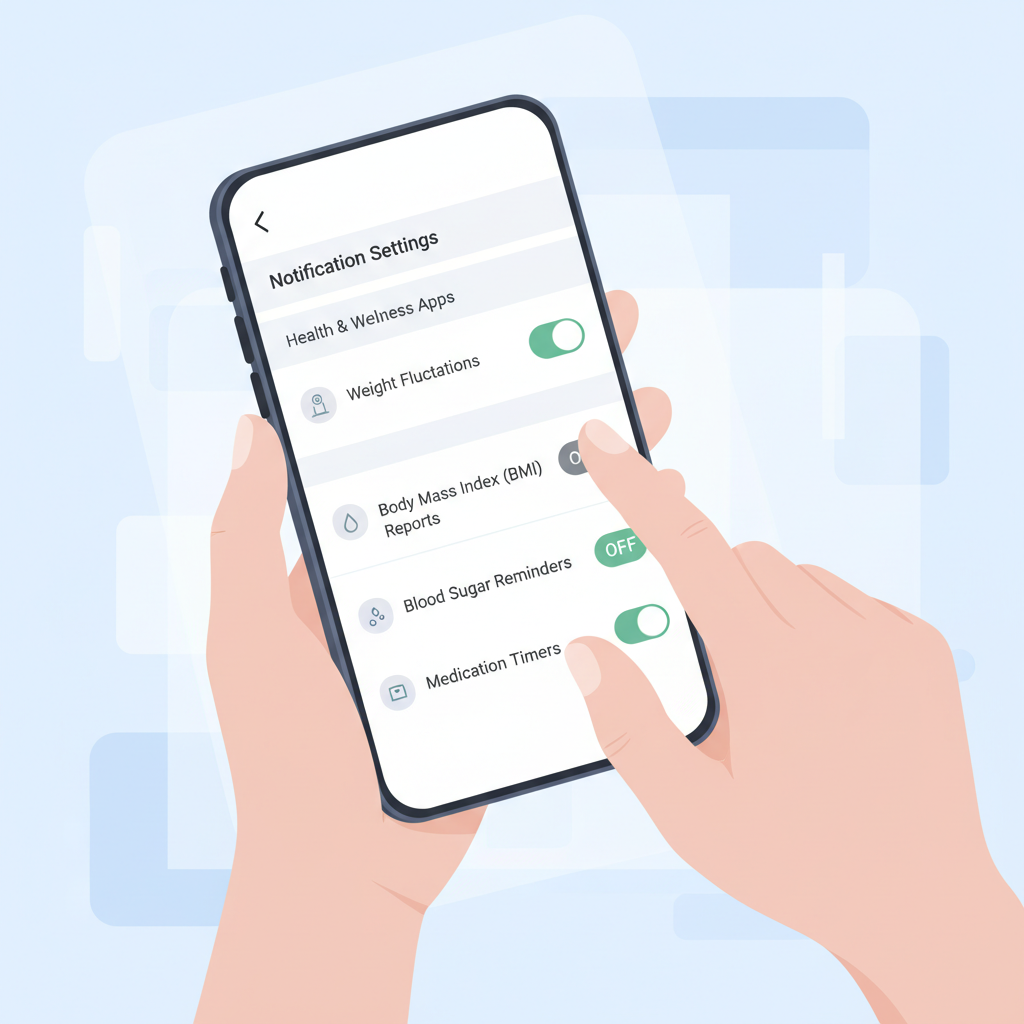
Setting Up Your App to Focus on Glucose Stability Without the Weight Loss Pop-ups
I've spent way too much time digging through app settings to kill those "You're 200 calories over!" notifications that make me want to throw my phone. Here's what actually works:
First, turn off ALL weight-related notifications in settings. MyFitnessPal hides this under "Goals" then "Notifications" – uncheck everything about calorie deficits and weight predictions.
Next, I focus the dashboard on what matters: carb timing and protein pairing. I've customized my home screen to show fiber, protein, and carbs front and center. The "calories remaining" counter? Hidden completely.
The magic happens when you start tracking patterns instead of restrictions. Tuesday's 3pm blood sugar spike? That's data worth celebrating.
Quick Answers
What if my calorie tracking app keeps triggering my diet mentality even though I'm just trying to manage my diabetes?
I'd honestly switch to apps that focus on carb counting instead of calories - something like MySugr or Glucose Buddy that's designed specifically for diabetes management. From what I've seen, the moment you're obsessing over calorie deficits instead of blood sugar patterns, you've veered back into diet culture territory.
What if the app I'm using doesn't have good diabetes-friendly features but tracks my food accurately?
Look, I'd rather use a basic food diary or even just notes on my phone than fight with an app that's not built for what I actually need. Most generic calorie apps are going to push weight loss features at you constantly, and if it doesn't let you track carbs, timing, and blood sugar responses together, it's honestly not worth the mental energy.
Here's What I'd Actually Do
My take? Start with one app, turn off the guilt-trip notifications, and focus purely on patterns—not perfection. These tools work best when they're helping you understand your body, not judging your choices. That's the real game-changer for diabetes management.


