
Track Meals During Grief Without Pressure or Judgment
Snacko is the food tracking app that makes healthy eating effortless. Join thousands building better eating habits every day.

Here's the thing about grief that nobody tells you: sometimes you'll realize at 3pm that you haven't eaten all day, but the thought of choosing what to eat feels impossible. I've learned that tracking meals during loss isn't about perfect nutrition or hitting macros—it's about creating gentle accountability when your brain can't be trusted to remember basic needs. I'm going to show you how to do this without adding more pressure to an already overwhelming time.
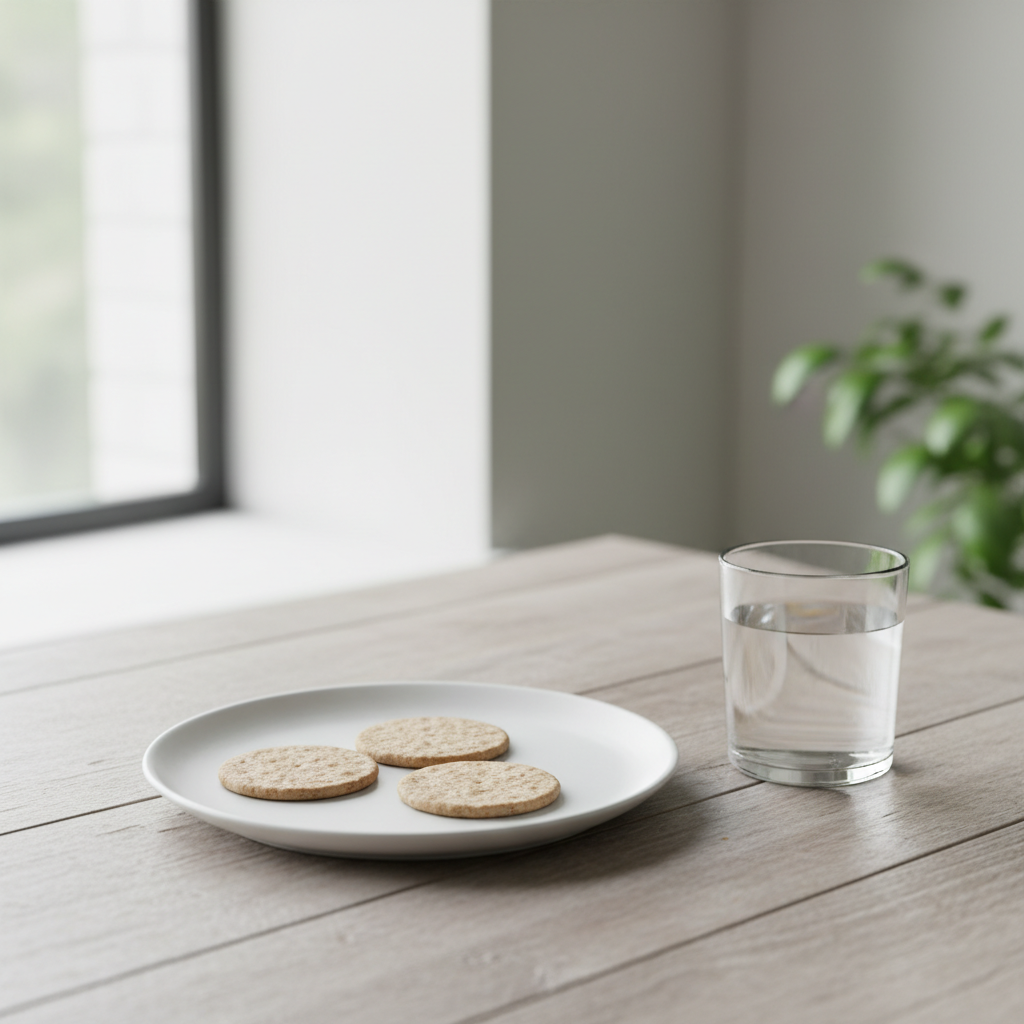
The Cracker-and-Water Days Are Perfectly Valid
I used to panic when my grief tracking showed days of just crackers and water. My brain would spiral: "This isn't sustainable! I need vegetables! What about protein?"
Now I see those entries differently. They're documentation of survival during the hardest days, and that matters more than hitting food groups.
Before: Forcing myself to eat "proper meals" even when swallowing felt impossible, then feeling guilty when I couldn't manage it.
After: Writing down "4 saltines, glass of water, half a banana" without judgment. These aren't failures—they're evidence I'm taking care of myself within my current capacity.
Some days, keeping anything down is an achievement. Your tracking should reflect that reality, not some idealized version of grief where you maintain perfect nutrition. The point isn't to eat well; it's to eat something and notice patterns without shame.
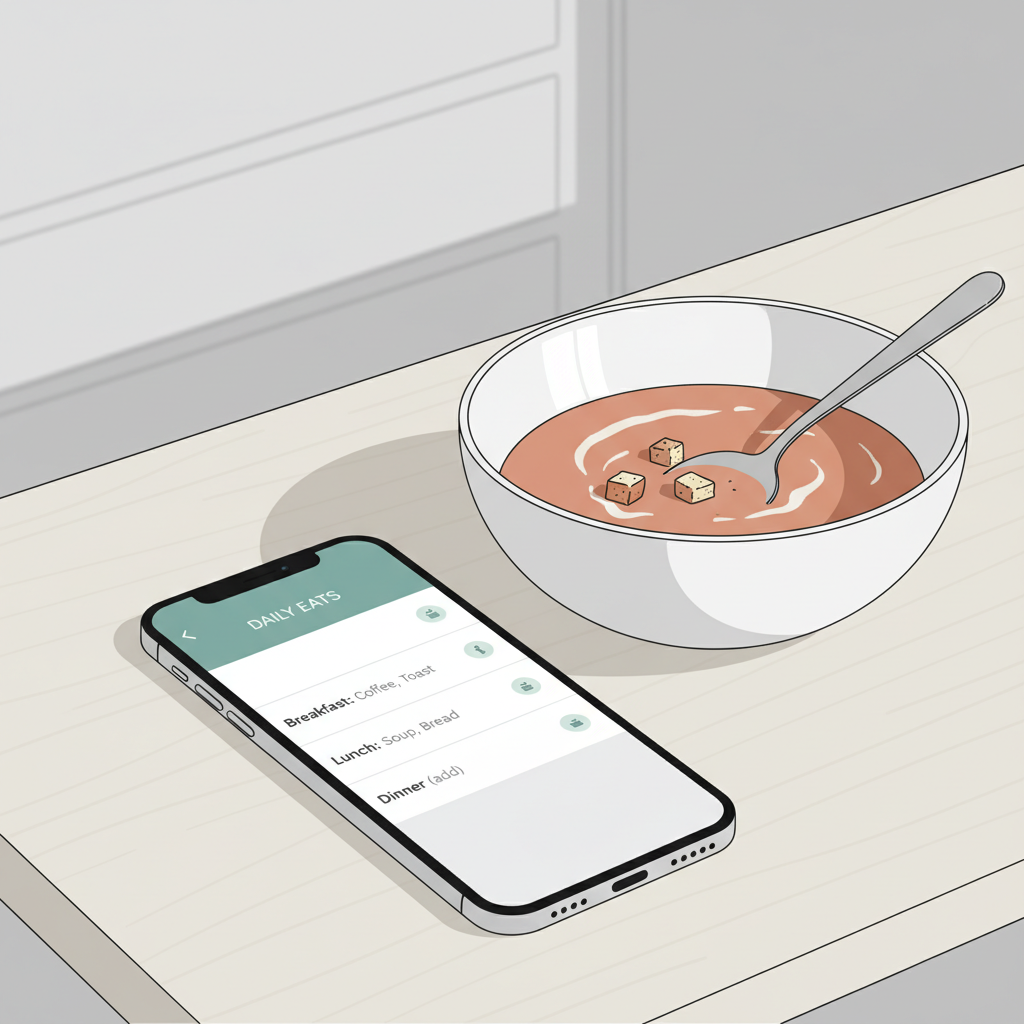
When Your Phone Becomes Your Memory
1. The photo method that actually works. I take pictures of whatever I eat - even if it's just crackers in bed. No captions, no apps, just photos. When I look back later, I can see patterns without the mental load of remembering.
2. Voice memos for the messy days. "Had some soup around 2pm, felt okay after." Takes five seconds and captures how food made me feel, which matters more than perfect tracking.
3. Screenshot your grocery orders. Delivery receipts show what you bought when your brain was on autopilot. Surprisingly helpful for rebuilding eating routines.
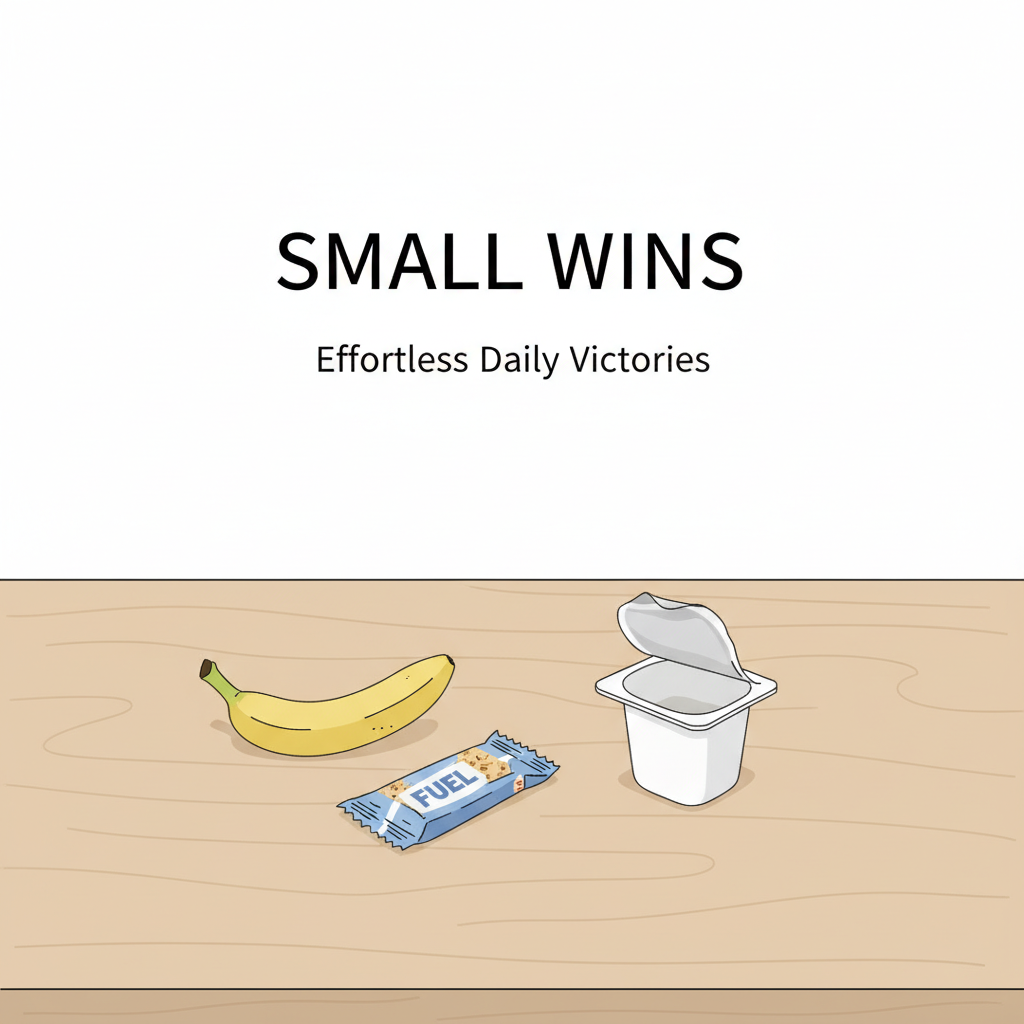
The Art of Lowering the Bar (Way, Way Down)
I've learned to celebrate absolutely ridiculous victories when grief hits. Day one might be tracking "ate something" - literally just marking whether food happened. I'm talking bare minimum here.
Phase two gets slightly more specific: "toast and coffee" or "leftover pizza." No calories, no nutrients analyzed, just acknowledgment that sustenance occurred. Some days I'd write "crackers in bed at 2pm" and call it a win.
The progression is glacial and that's exactly right. Week three might look like "scrambled eggs + orange juice + those weird protein bars." Still no judgment about timing or nutritional completeness.
I've found this approach prevents the shame spiral that comes with traditional food tracking during crisis. You're documenting survival, not optimizing performance.
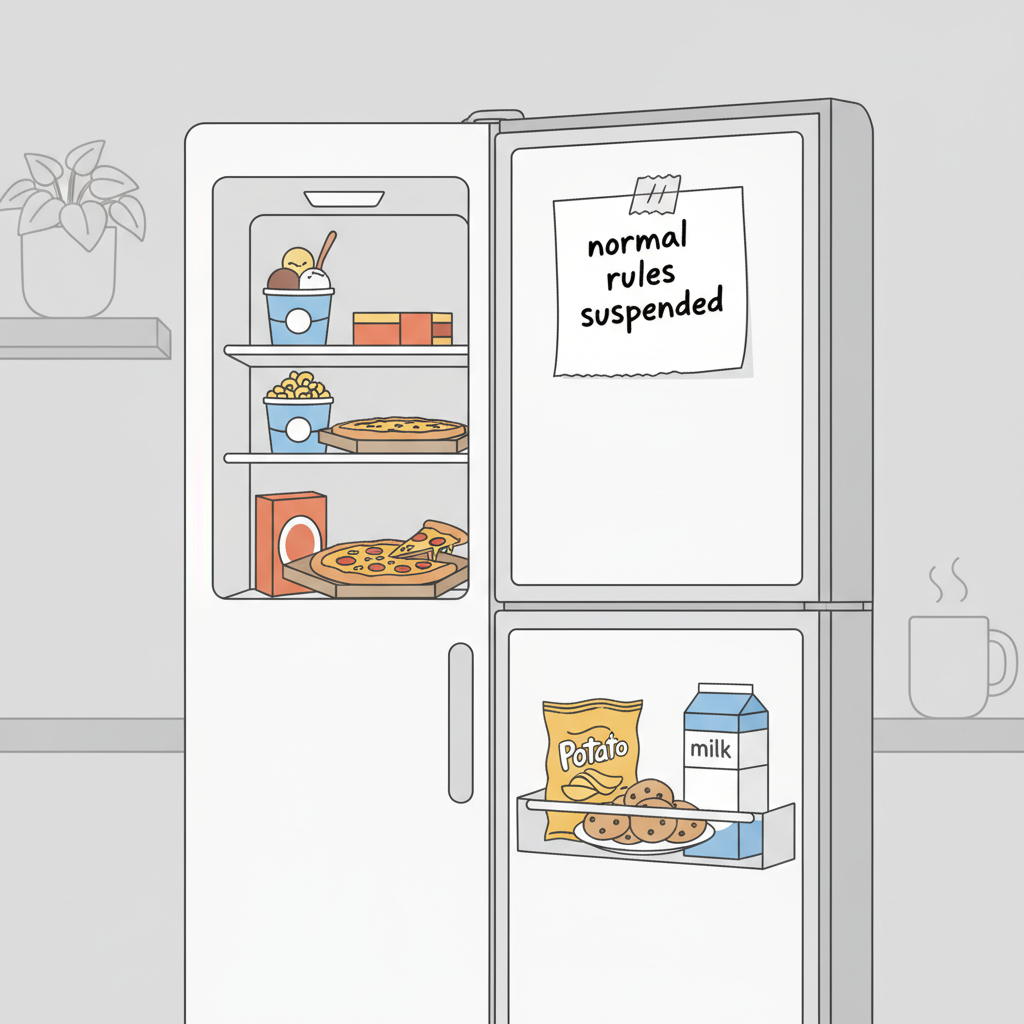
Why Your Usual Food Rules Don't Apply Right Now
Step 1: Throw out your "healthy eating" rulebook temporarily. I learned this the hard way when I spent three days eating nothing but saltines and ginger ale after my dad died. Your body's running on survival mode right now, and forcing yourself to eat kale when you can barely stomach toast is counterproductive.
Step 2: Accept that "good enough" nutrition beats no nutrition. If cereal for dinner keeps you fed, that's a win. I've watched too many grieving friends beat themselves up for ordering pizza again instead of celebrating that they actually ate something substantial.
Building Your Village of Meal Helpers
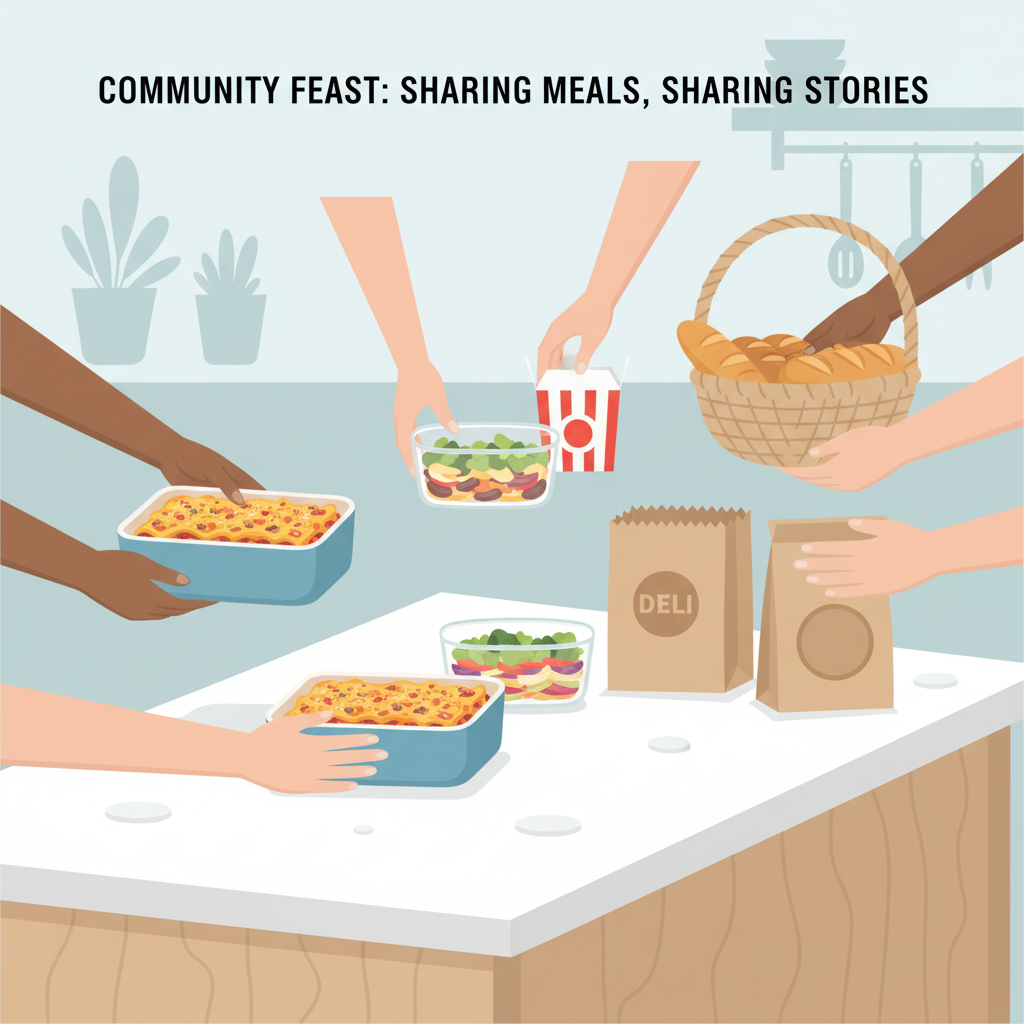
I've learned the hard way that grief makes asking for help feel impossible, but meal support shouldn't depend on your ability to organize it. The best systems I've seen work without requiring the grieving person to manage anything.
Start by designating one person as the meal coordinator—someone who genuinely enjoys logistics. They handle the schedule, dietary restrictions, and all the coordination headaches. I always suggest using apps like Take Them A Meal or Meal Train because they prevent the awkward "What do you need?" conversations.
Be specific about what actually helps. Disposable containers are a lifesaver. Gift cards to places that deliver work better than homemade casseroles if the person lives alone. And honestly? Sometimes just having groceries appear is more valuable than prepared meals. The goal is removing decisions, not creating more social obligations to manage.
Quick Answers
Should I use a food diary app or just write meals down on paper when grieving?
I'd go with paper during grief - apps feel too clinical and judgmental with their calorie counts and ratings, while scribbling "had some soup" on a notepad feels gentler and more forgiving when you're barely functioning.
Is it better to track what I eat or focus on tracking my hunger signals during grief?
From what I've seen, tracking actual food is more helpful because grief completely messes with your hunger signals - you might not feel hungry for days or suddenly crave everything, so noting "ate half a sandwich at 2pm" gives you concrete info to work with rather than trying to decode confusing body signals.
Where to Go From Here
My honest take? Start with whatever feels manageable today—even if it's just noting "ate something" on your phone. If you're struggling with complicated grief or notice concerning eating patterns, the Center for Complicated Grief has specific resources that dig deeper into the intersection of loss and self-care.