
Track Macros for ADHD Brain Function Not Weight Control
Snacko is the food tracking app that makes healthy eating effortless. Join thousands building better eating habits every day.

I spent years tracking macros to lose weight, obsessing over every gram like some kind of food accountant. Then I noticed something weird: on days when I hit my protein and fat targets, my ADHD brain actually worked better. I could focus longer, remember where I put my keys, and didn't crash at 3pm like a deflated balloon. Turns out, what we eat isn't just fuel for our bodies—it's premium gasoline for dopamine-starved ADHD brains. Here's what I've learned about feeding your focus instead of shrinking your waistline.

When My Brain Fog Lifted After Discovering My Protein Sweet Spot
I spent years assuming 50-60 grams of protein was "enough" until I started tracking and realized I was getting maybe 35 grams on most days. The difference when I hit 80-90 grams? My afternoon brain fog basically disappeared.
What really surprised me was the timing mattered more than I expected. Having 25-30 grams at breakfast instead of my usual toast-and-coffee routine meant I could actually focus during morning meetings instead of feeling like I was thinking through mud. My ADHD meds seemed to work better too – less of that scattered feeling when they wore off.
Why Carb Crashes Hit Different When You Have Executive Dysfunction
I used to think carb crashes were just about feeling sleepy. Then I started tracking what happened to my brain after downing a bagel for lunch.
The blood sugar drop doesn't just make you tired when you have ADHD—it completely tanks your executive function. That 2pm crash isn't just "I need coffee." It's "I literally cannot prioritize my task list or remember what I was doing five minutes ago."
What really clicked for me was realizing the crash amplifies every ADHD symptom I already struggle with. Low blood sugar plus poor executive function equals sitting at my desk, staring at emails I can't process while my brain feels like it's running through molasses.
Now I treat post-meal blood sugar stability like a core productivity tool, not a weight thing. Steady glucose means my prefrontal cortex can actually do its job.
My 3-Minute Macro Check That Actually Sticks (No Math Required)
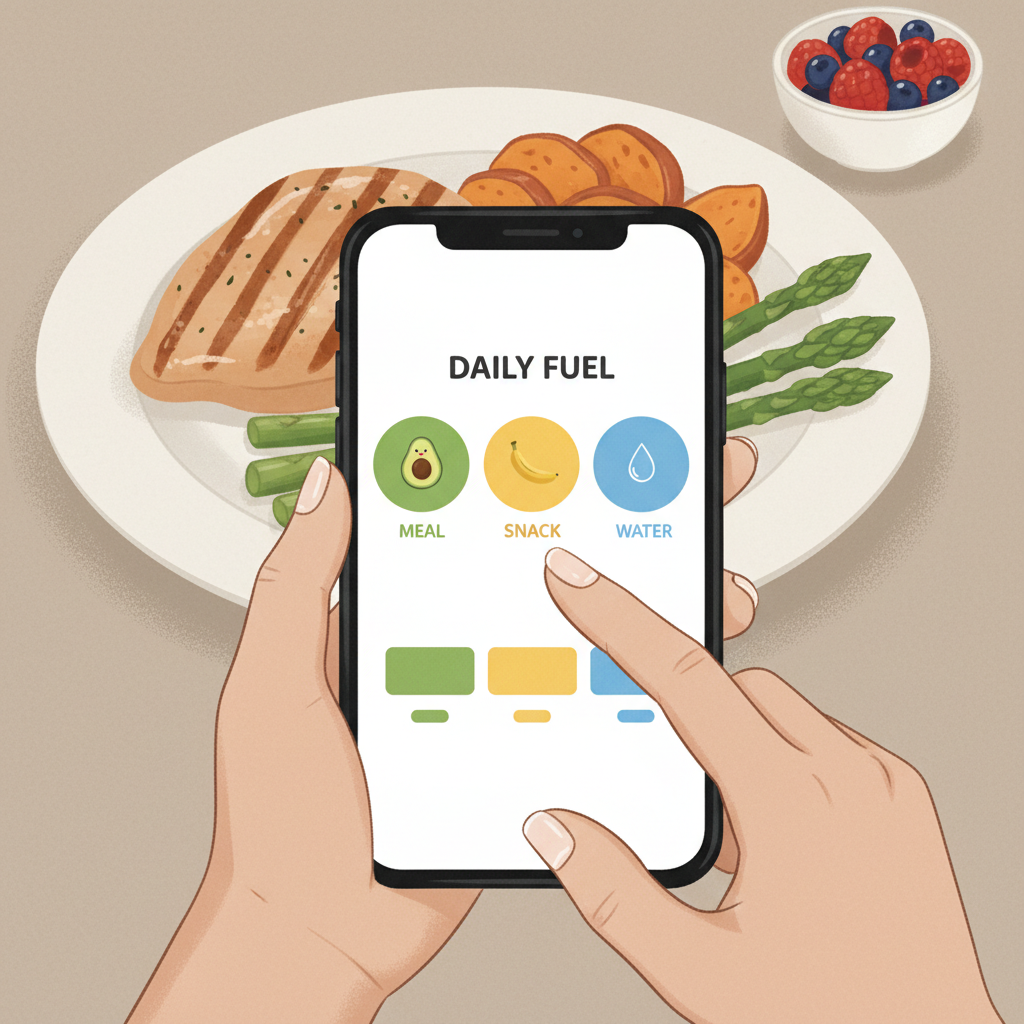
I ditched the macro calculator apps after realizing they made tracking feel like homework. Instead, I use what I call the "plate snapshot" method.
Every meal, I take a quick phone photo and ask three questions: Do I see protein? Do I see something green? Is there a carb that'll actually fuel my brain instead of crash it?
That's it. No weighing, no percentages, no guilt spirals.
The photo part is key for my ADHD brain - I can scroll back through my camera roll and spot patterns without trying to remember what I ate yesterday. When I notice I've been living on crackers and coffee for three days straight, I know why my focus tanked.
This method takes literally three minutes total per day, and I've stuck with it for eight months now.

How Stable Blood Sugar Became My Secret Weapon Against Rejection Sensitivity
I used to think my emotional rollercoaster after criticism was just "being sensitive." Turns out, my blood sugar crashes were making rejection sensitivity brutal.
When I started tracking macros, I noticed something wild: days with balanced protein and complex carbs, my brain didn't spiral when my boss gave feedback. But skip breakfast and rely on coffee? One sideways comment would ruin my entire week.
The magic ratio I've found is 25-30g protein within an hour of waking, paired with fiber-rich carbs. My emotional regulation improved dramatically. That text from a friend that used to send me into analysis paralysis? Now I can actually think through it rationally instead of assuming they hate me.
Stable glucose = stable emotions. Simple as that.
The Day I Stopped Fighting My ADHD Appetite and Started Working With It
What changed when you stopped fighting your ADHD eating patterns?
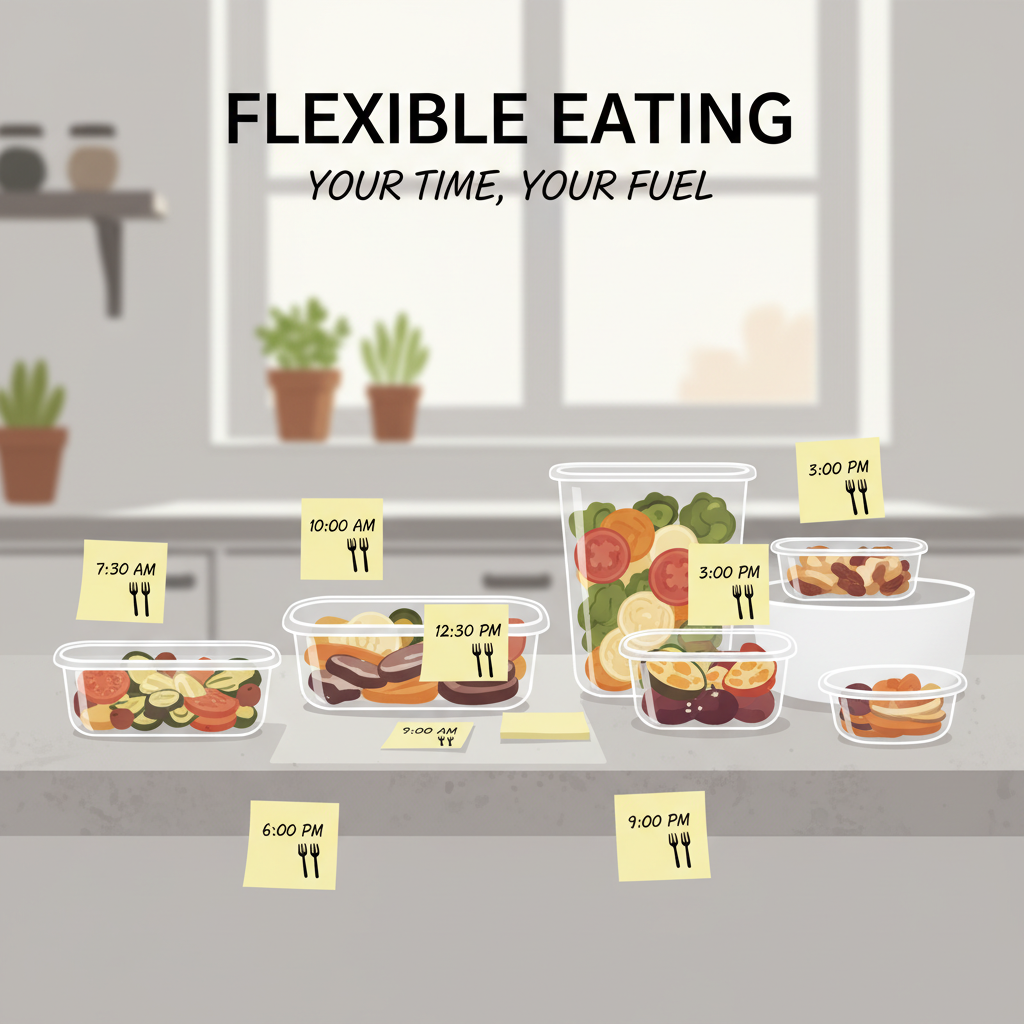
I stopped trying to force myself into a "normal" eating schedule and started tracking what actually happened. Turns out I naturally eat like a grazing animal - tiny amounts constantly when I'm focused, then suddenly ravenous at 3pm. Instead of fighting it, I started pre-portioning nuts and keeping protein bars everywhere.
How did this shift your relationship with food tracking?
I realized my brain needs consistent fuel to function, not restriction. Now I track macros to make sure I'm hitting protein targets throughout my weird eating patterns, not to shame myself for eating crackers at 10am again.
Common Questions Answered
What if tracking macros makes my ADHD brain feel more scattered instead of focused?
Yeah, this happens - sometimes the tracking itself becomes another source of mental chaos. I'd recommend switching to a super simple approach like just tracking protein and letting everything else fall where it may, or try batching your logging once at the end of the day instead of real-time tracking.
What if I keep forgetting to track my food because of my ADHD?
From what I've seen, the people who succeed link it to something they already do religiously - like tracking right after they take their meds or setting their phone to buzz every time they eat. I've also had good luck with those meal prep containers where you can see your macros at a glance without having to remember to log anything.
My Take on Starting Today
Here's what I'd do: pick one macro to track for a week. Just one. Your ADHD brain will thank you when that 3pm fog lifts and you actually remember where you put your keys.
The longer you wait thinking you need the "perfect system," the more scattered days you're choosing to live through.