
How to Track Macros Without Body Shaming Yourself Daily
Snacko is the food tracking app that makes healthy eating effortless. Join thousands building better eating habits every day.

I've been watching this weird thing happen in my DMs lately. People will send me their perfect macro tracking screenshots—every gram logged, every meal photographed—then immediately follow up with messages like "I'm such a failure" or "I hate myself for going over." It's like somewhere along the way, we turned a tool that's supposed to help us feel better into this daily report card that determines our self-worth. Which is completely backwards, when you think about it.
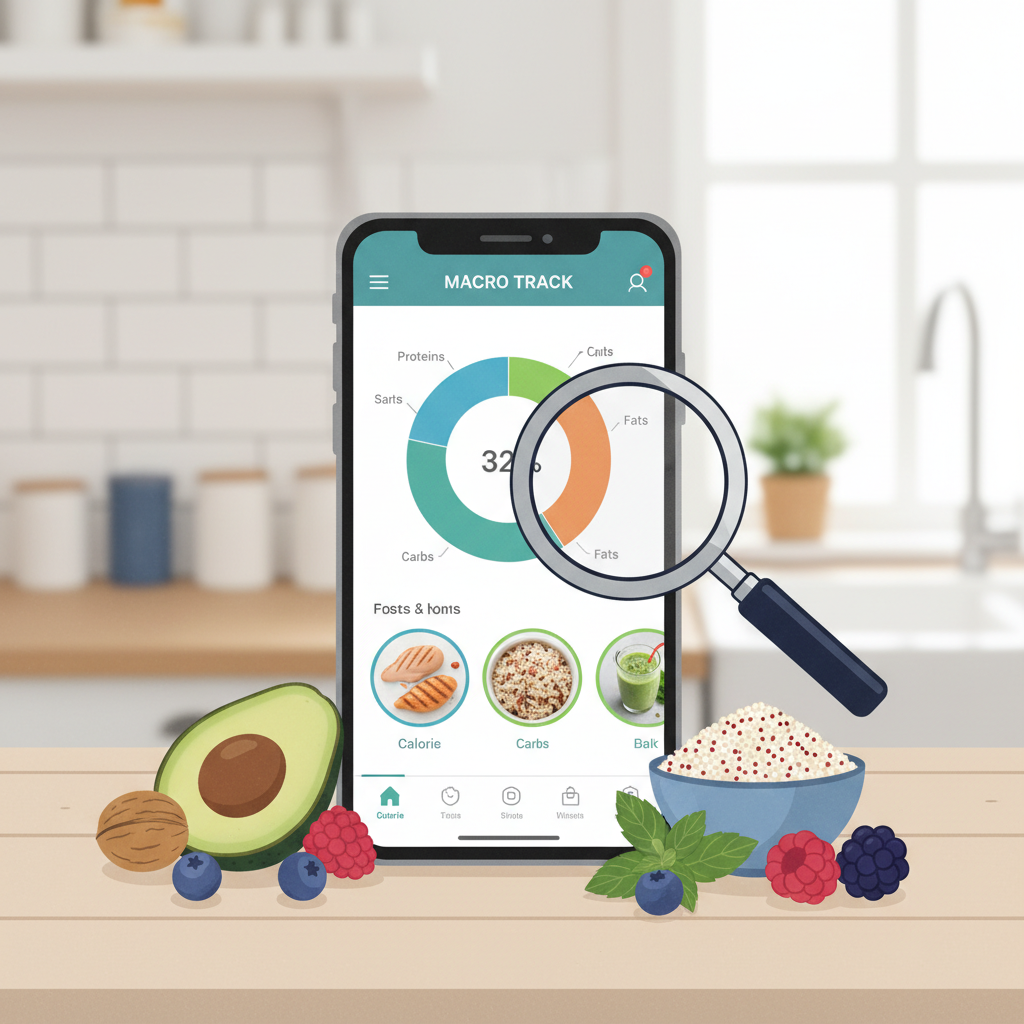
Reframe Your Food Logging App as a Nutrition Detective Tool
Day 1-3: I started treating my food log like a science experiment instead of a report card. Instead of judging whether 45g of carbs was "good" or "bad," I asked "How did I feel two hours after that sweet potato?"
Week 1: I began noting energy levels, mood, and hunger alongside my macros. Turns out my afternoon crashes weren't from eating too much—I wasn't eating enough protein at lunch.
Week 2-3: The detective mindset clicked. Low energy at 3pm? Let me check yesterday's data. Sleeping poorly? Maybe those late-night carbs are actually helping, not hurting.
Month 1: My app became a pattern-finding tool, not a judgment machine. Way less stressful.
Turn Red Days Into Data Points, Not Character Flaws
I used to spiral when I went over my protein target by 20 grams or blew past my carbs at a work happy hour. Now? I treat those days like a scientist would treat unexpected lab results.
When I have an "off" day, I ask: What happened here? Was I actually hungry, or stress eating? Did I skip breakfast and overcompensate at dinner? Was my period coming? Did I sleep like garbage?
These aren't moral failures—they're information. I've found my worst tracking days often reveal patterns I'd never notice otherwise. Like how I always crave chips when I'm dehydrated, or how skipping lunch makes me eat everything in sight by 4 PM.
Your "red" days aren't character flaws. They're your body giving you data about what it needs.
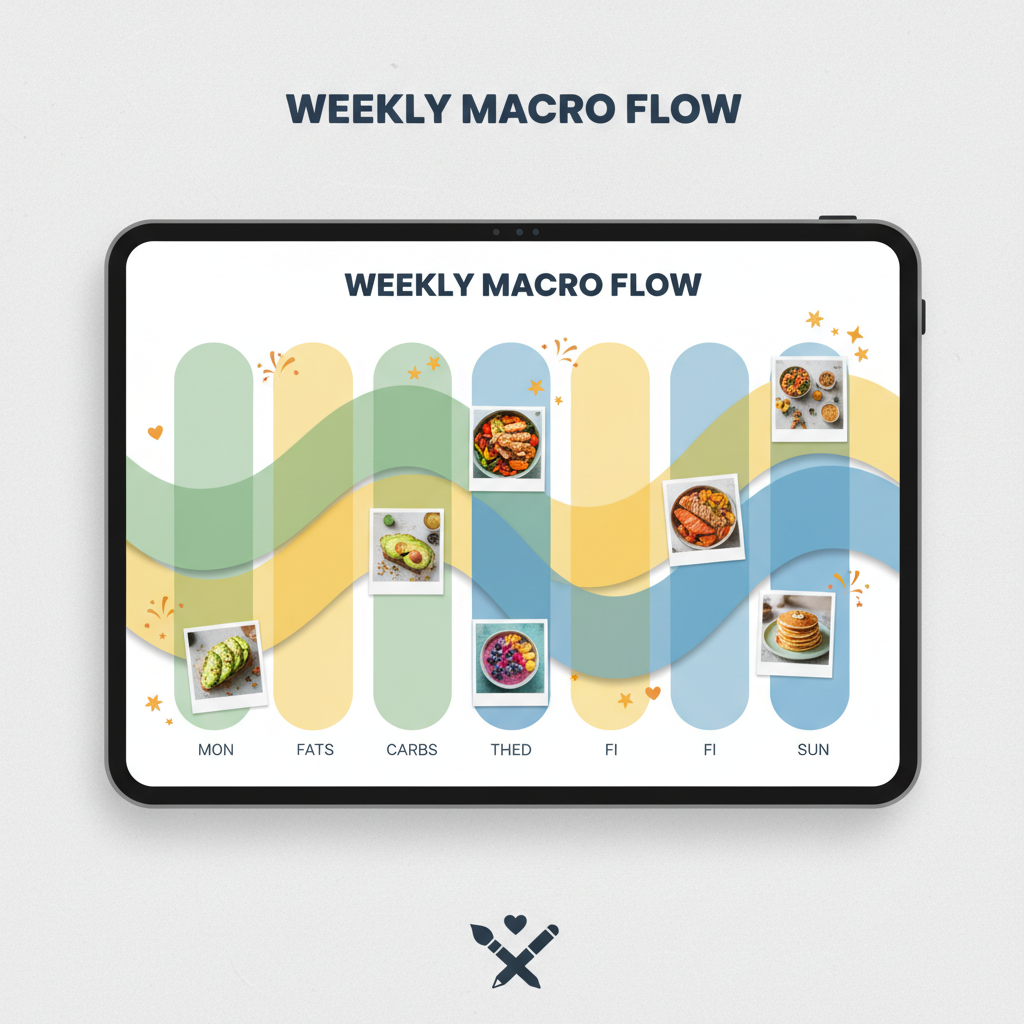
Build Your Personal Macro Flexibility Scorecard
I created this system after realizing I needed measurable ways to celebrate progress beyond hitting exact macro targets. Rate yourself 1-5 weekly on these flexibility markers:
Energy consistency - Do you feel stable throughout the day, even when macros aren't perfect? Social freedom - Can you eat out without anxiety-calculating every gram? Recovery bounce-back - How quickly do you return to normal eating after an off day? Intuitive accuracy - Are your hunger cues aligning better with your macro needs?
I track these scores in my phone notes. When my flexibility scores improve while macro adherence stays steady, that's real progress worth celebrating.

Master the Art of Macro Approximation for Real Life Moments
Here's where most people go completely wrong: they think macro tracking means weighing every single grape at a dinner party. I spent months being that person who brought a food scale to restaurants until I realized I was missing the entire point.
The real skill is learning to eyeball portions without losing your mind. A palm-sized piece of chicken is roughly 25-30g protein. A fist of rice is about 45g carbs. Your thumb of peanut butter? Around 15g fat. These aren't perfect, but they're close enough.
What saved my sanity was the 80/20 rule I created for myself: track precisely at home, approximate when out. If you're hitting your targets most days, one unmeasured burrito won't derail anything. The goal is sustainable habits, not mathematical perfection.
Your Questions, Answered
What if tracking macros makes me obsess over every gram I eat?
I've been there - when macro tracking turns into mental torture, I take a week off and focus on just eating balanced meals without logging anything. When I come back to it, I only track my main meals and ignore snacks, which keeps me accountable without the minute-by-minute food anxiety.
How do I handle days when I completely blow my macro targets?
Honestly, I just log it anyway and move on to the next day - beating yourself up never burned a single calorie or built any muscle. I've learned that one bad day in a week of otherwise decent eating literally doesn't matter in the long run, and the guilt spiral is way more damaging than the actual food choices.
What if I can't stop comparing my macro needs to what other people are eating?
I had to unfollow a bunch of fitness accounts and stop looking at other people's food diaries because everyone's body and goals are different - what works for a 25-year-old CrossFit athlete isn't going to work for me. Now I focus on whether I'm hitting MY targets consistently rather than whether I'm eating as much protein as some influencer on Instagram.
My Honest Take on All This
Here's what I'd do: start with one macro for a week, ignore the perfectionist voice in your head, and remember that data is just information—not judgment. Your worth isn't tied to hitting 157g of protein daily.
For advanced trackers, I've got some metabolic timing strategies that might interest you.