
Gentle Reminders to Track Meals Without Guilt or Shame
Snacko is the food tracking app that makes healthy eating effortless. Join thousands building better eating habits every day.

I've watched too many people turn meal tracking into their own personal torture chamber—obsessing over every calorie, beating themselves up for "cheating," or abandoning it entirely when they miss a day. But here's what I've learned: tracking can actually be freeing when you approach it right. This article covers gentle ways to monitor your eating habits that help rather than harm, plus how to ditch the perfectionist mindset that makes tracking feel like punishment.
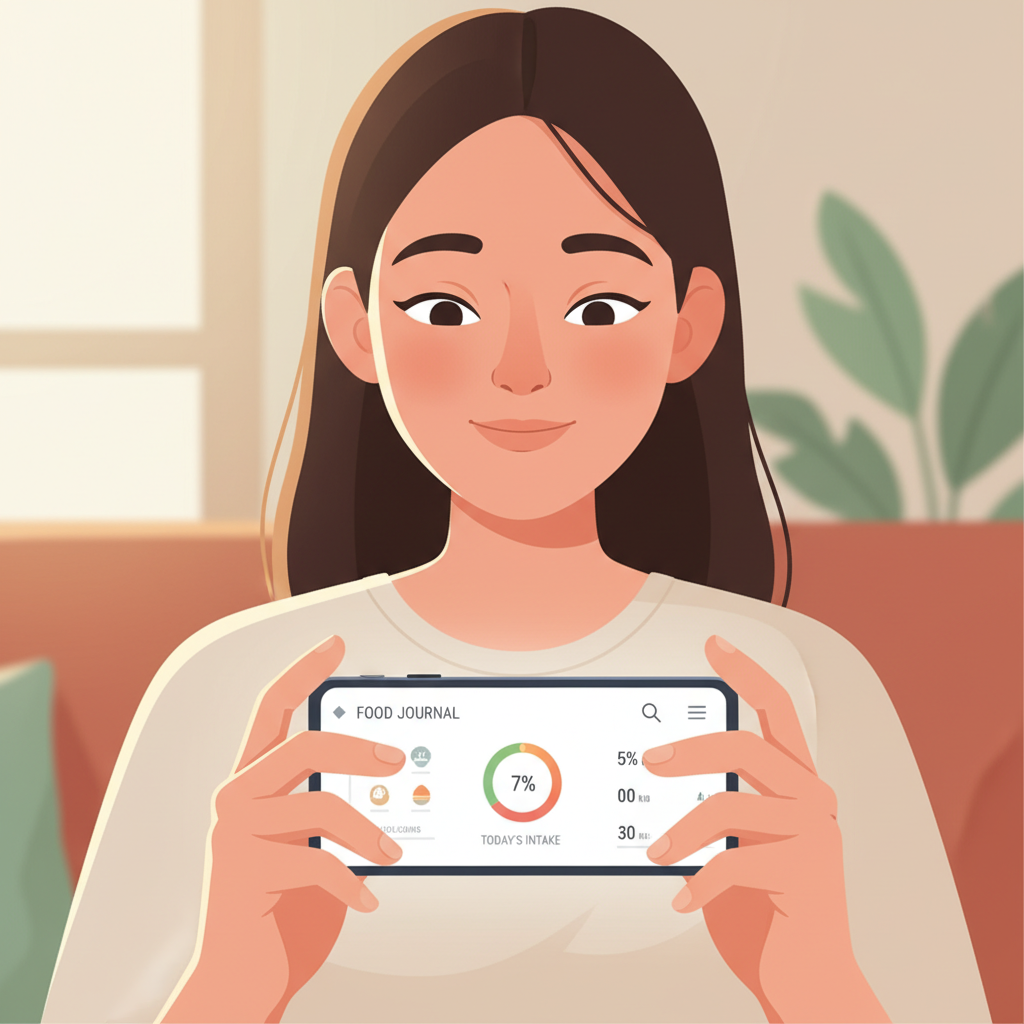
Three Questions That Stop the Shame Spiral Before It Starts
I've learned to catch myself before the mental spiral takes off by asking three simple questions when I notice judgment creeping in:
"What would I tell my best friend right now?" This one's magic. I'd never tell Sarah she's a failure for eating pizza three nights running, so why am I saying it to myself?
"Am I tracking to punish or to learn?" If I'm using my food log like evidence in a court case against myself, I need to step back. The whole point is gathering neutral information.
"What's one tiny thing I can do next?" Not tomorrow, not Monday—right now. Maybe it's just drinking water or noting what I had for lunch.
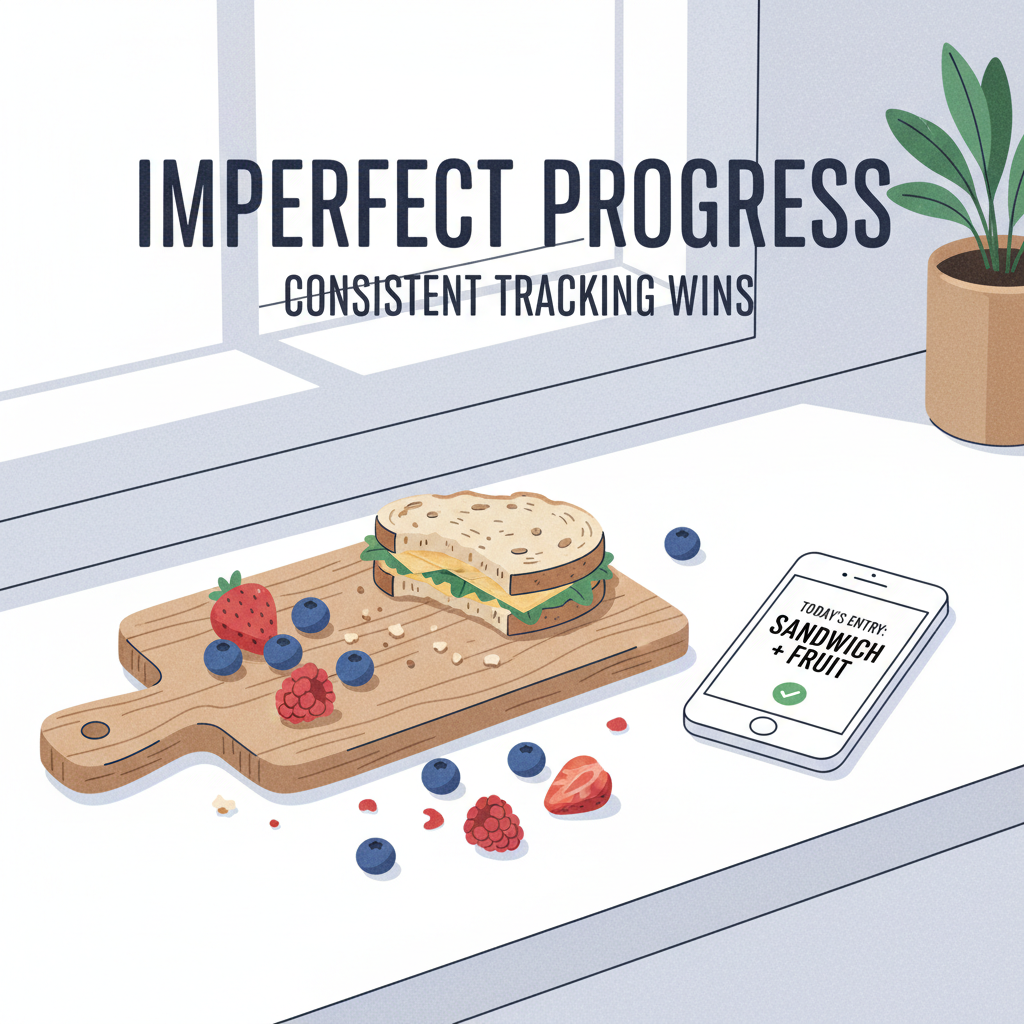
The 'Good Enough' Logging Method That Actually Sticks
I've tried the obsessive calorie counting thing. Measuring every grain of rice, logging "0.5 tbsp olive oil" while standing over the stove. It lasted maybe two weeks before I wanted to throw my phone across the kitchen.
What actually works? The "close enough" approach. I log "chicken breast, medium piece" instead of weighing it to the gram. "Bowl of cereal" instead of measuring milk to the milliliter. If I forget lunch, I add it the next morning from memory.
The goal isn't perfection—it's building a habit that doesn't make you hate your life.
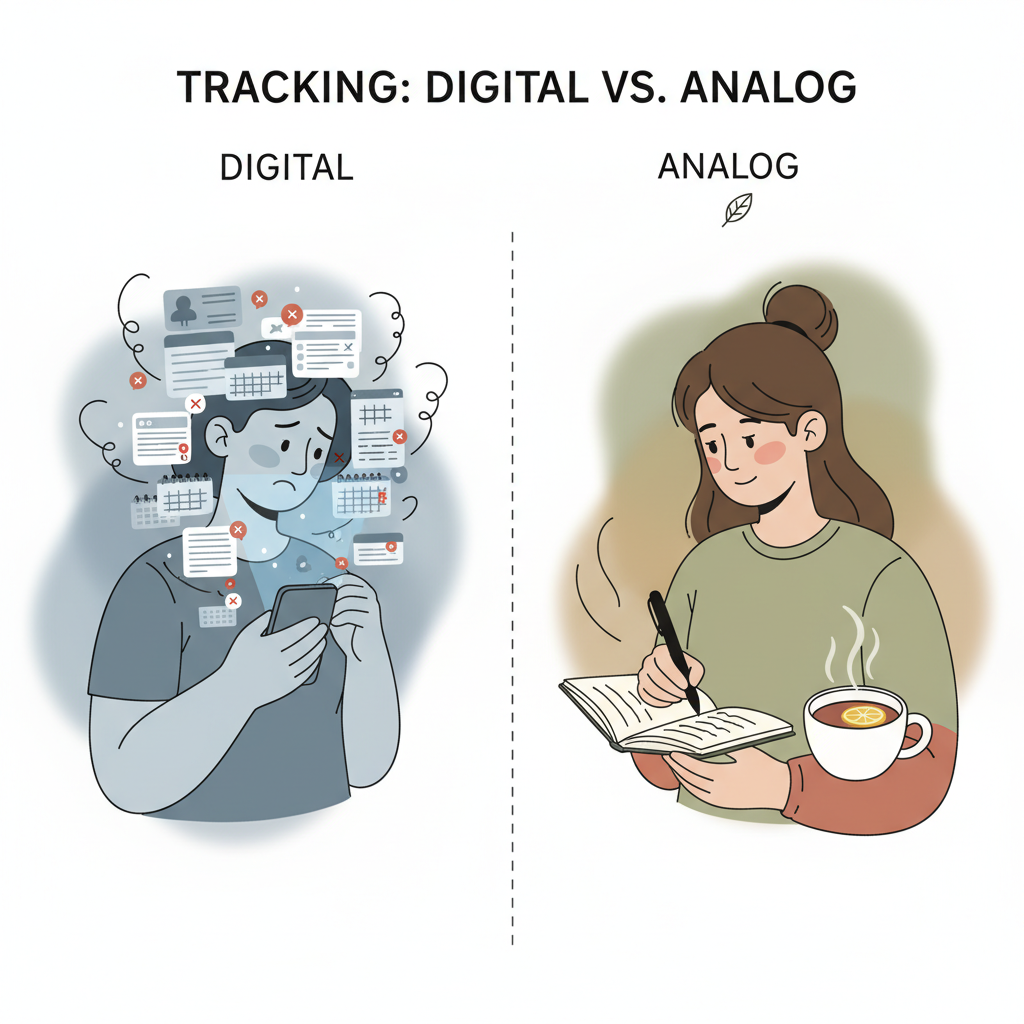
What to Do When You 'Forget' to Track (Spoiler: It's Usually Not About Memory)
I've "forgotten" to track plenty of times, and here's what I've learned: it's rarely about memory. I forget because I'm avoiding something—maybe I ate more than planned, or I'm dreading logging that second slice of pizza.
When this happens, I ask myself: "What am I actually avoiding here?" Usually it's judgment, either from myself or imaginary others looking at my food log.
My go-to recovery move is simple: log whatever I can remember without trying to be perfect. Even "large sandwich + chips + soda" beats nothing. The goal isn't precision—it's maintaining the habit of showing up, even when I feel like I've already messed up.
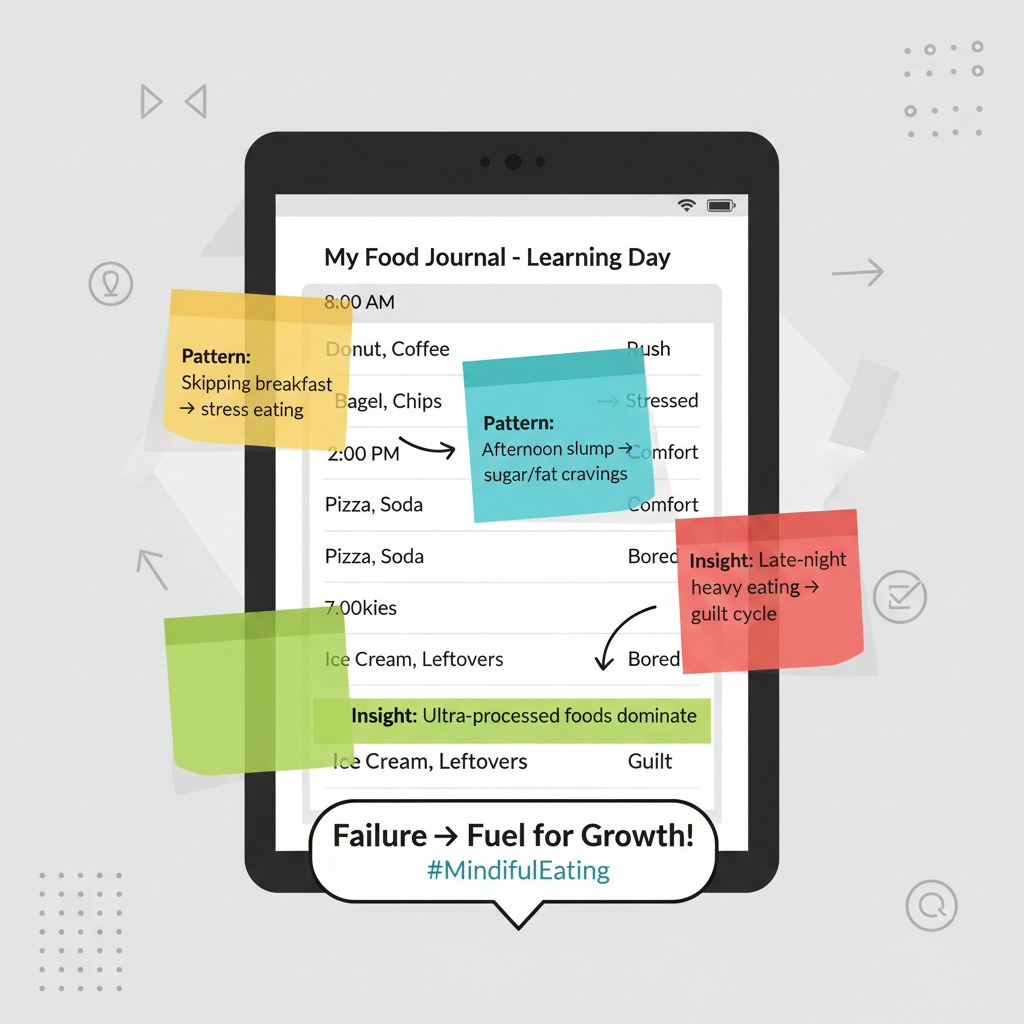
Reframing Your Worst Tracking Days as Data Gold
"I used to think my 'disaster' tracking days were failures - you know, when I'd eat half a sleeve of crackers and just write 'crackers???' in my app. But those messy days actually taught me more than my perfect ones.
That random Tuesday when I stress-ate my way through three different snacks? That showed me I needed better stress management, not stricter food rules. The weekend I forgot to log anything until Monday? I learned I need simpler systems for busy days.
Your worst tracking days aren't mistakes - they're showing you exactly where your current approach isn't working. I started treating them like detective clues instead of personal failures, and suddenly they became my most valuable data points."
Quick Answers
Does gentle meal tracking actually work or is it just another wellness trend?
From what I've seen, it works way better than the hardcore calorie-counting approach because you actually stick with it. I've watched friends burn out on rigid tracking within weeks, but the gentle approach becomes more like checking in with yourself rather than judging every bite.
Is meal tracking without guilt even possible when you've been a chronic dieter?
Honestly, it takes practice - your brain is probably wired to turn any food awareness into self-criticism. I'd recommend starting with just noting what you ate without any numbers or judgments for at least two weeks before you even think about portions or "good" vs "bad" foods.
Is gentle meal tracking worth it if you're not losing weight from it?
Absolutely - I think people get too hung up on the scale when meal tracking teaches you so much more about your patterns, energy levels, and what actually satisfies you. The weight stuff tends to sort itself out when you're eating more mindfully, but the real value is understanding your relationship with food better.
My Go-To Apps That Actually Help
Here's what I'd recommend: MyFitnessPal for its massive food database, or Cronometer if you want more detailed nutrient tracking. Personally, I've found that Lose It! feels less clinical and more friendly.
Whatever you pick, turn off those aggressive notifications first thing. Your phone shouldn't be your food police.