
Food Tracking for Strength Training Without Body Shame
Snacko is the food tracking app that makes healthy eating effortless. Join thousands building better eating habits every day.

I've watched too many lifters quit tracking their food within the first month – not because it didn't work, but because they turned it into a weapon against themselves. Here's the thing: you can absolutely use food tracking to fuel your strength gains without falling into the shame spiral that derails so many people. I've learned this the hard way.
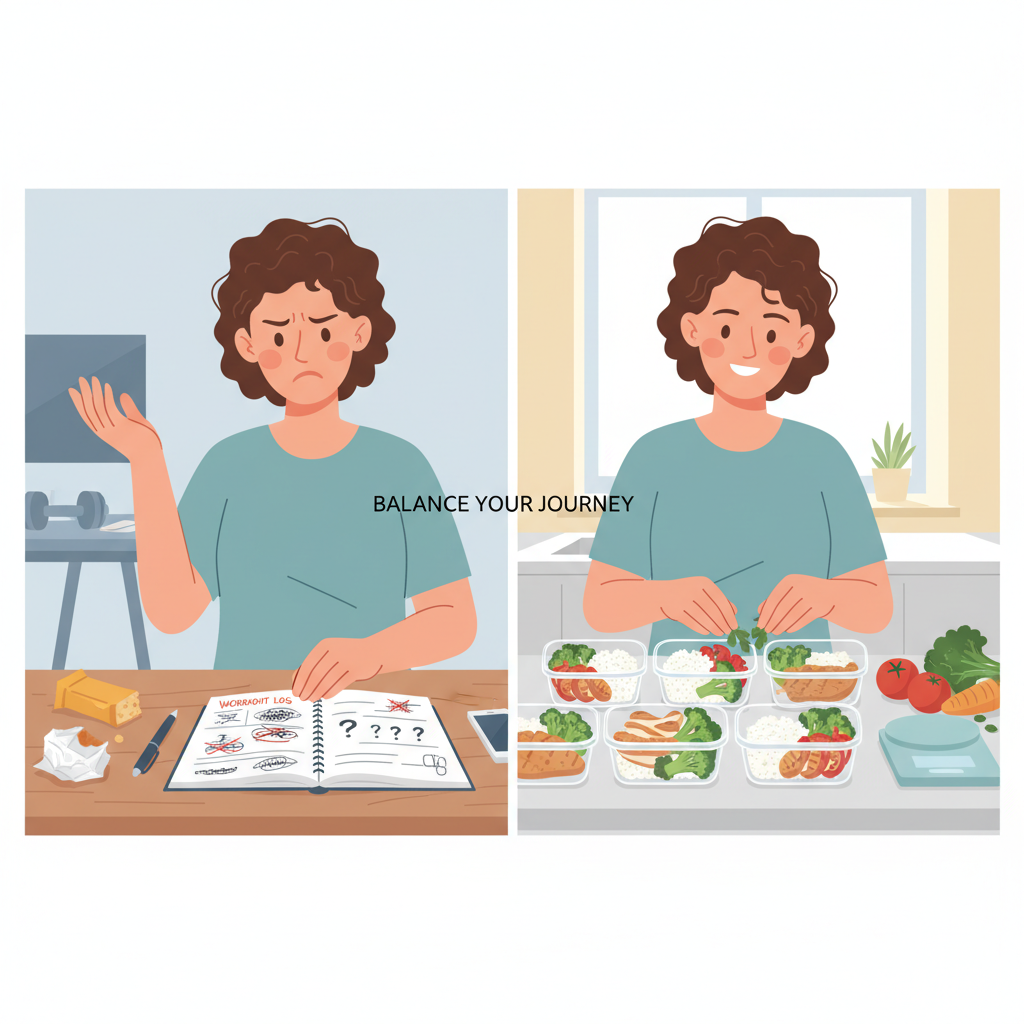
When Your Training Plateau Meets Kitchen Reality
I've hit that wall where my lifts just... stopped. Same weight for weeks, getting frustrated in the gym. That's when I learned to track differently during plateaus.
Instead of obsessing over daily calories, I started looking at weekly patterns. Turns out I was eating like a sparrow on heavy squat days and binge-recovering on rest days. Now I pre-log my training day meals the night before, making sure I'm actually fueled for the work.
The breakthrough came when I stopped treating food like the enemy of my plateau and started seeing it as the solution.
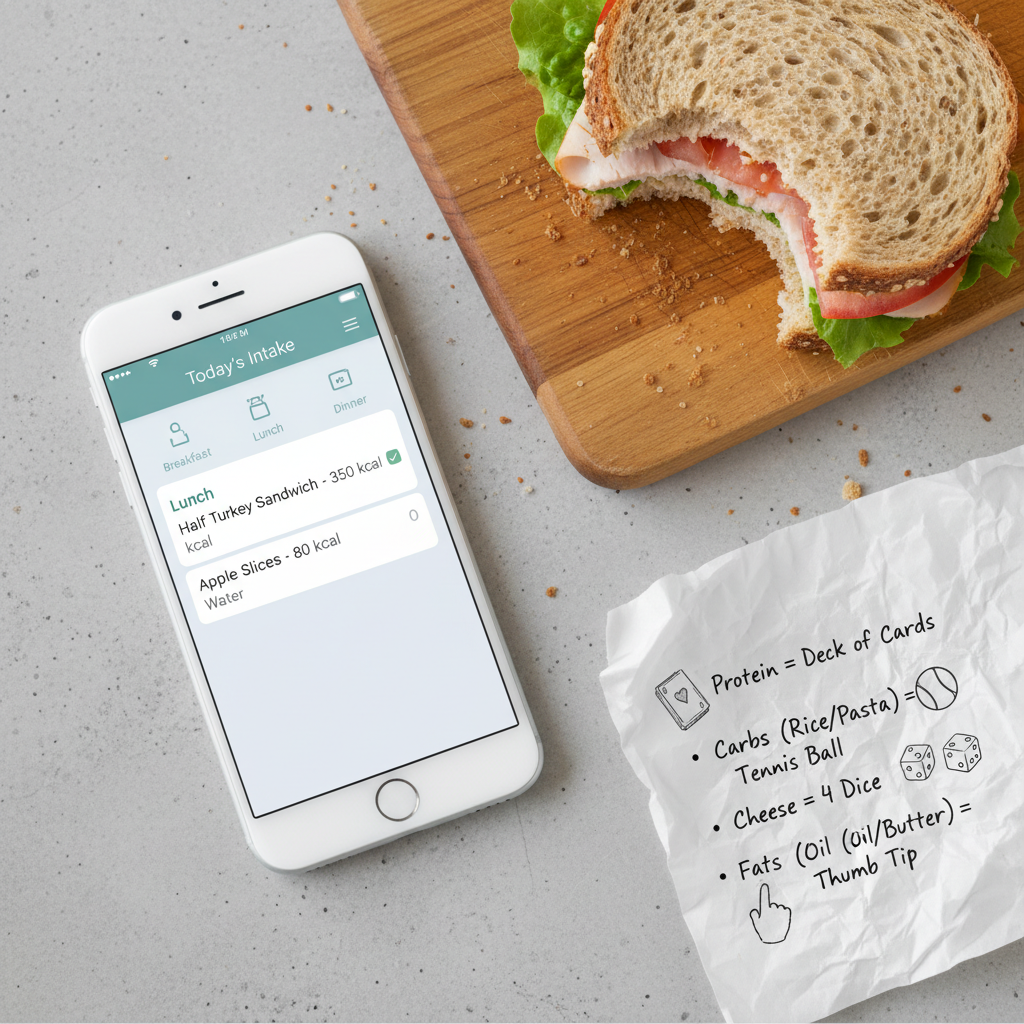
Logging Macros Without Turning Food Into Math Homework
I see people weighing individual blueberries and logging "0.3 grams of mixed greens." Stop. This obsessive precision kills the whole point.
Round your numbers. That chicken breast was probably 4 oz, not 3.7. Your rice portion? Call it a cup. I've tracked this way for three years and my results haven't suffered from these approximations.
The biggest mistake I made early on was trying to log restaurant meals to the gram. Now I find similar entries in my app, pick one that looks reasonable, and move on. Close enough beats perfect when perfect makes you want to quit entirely.
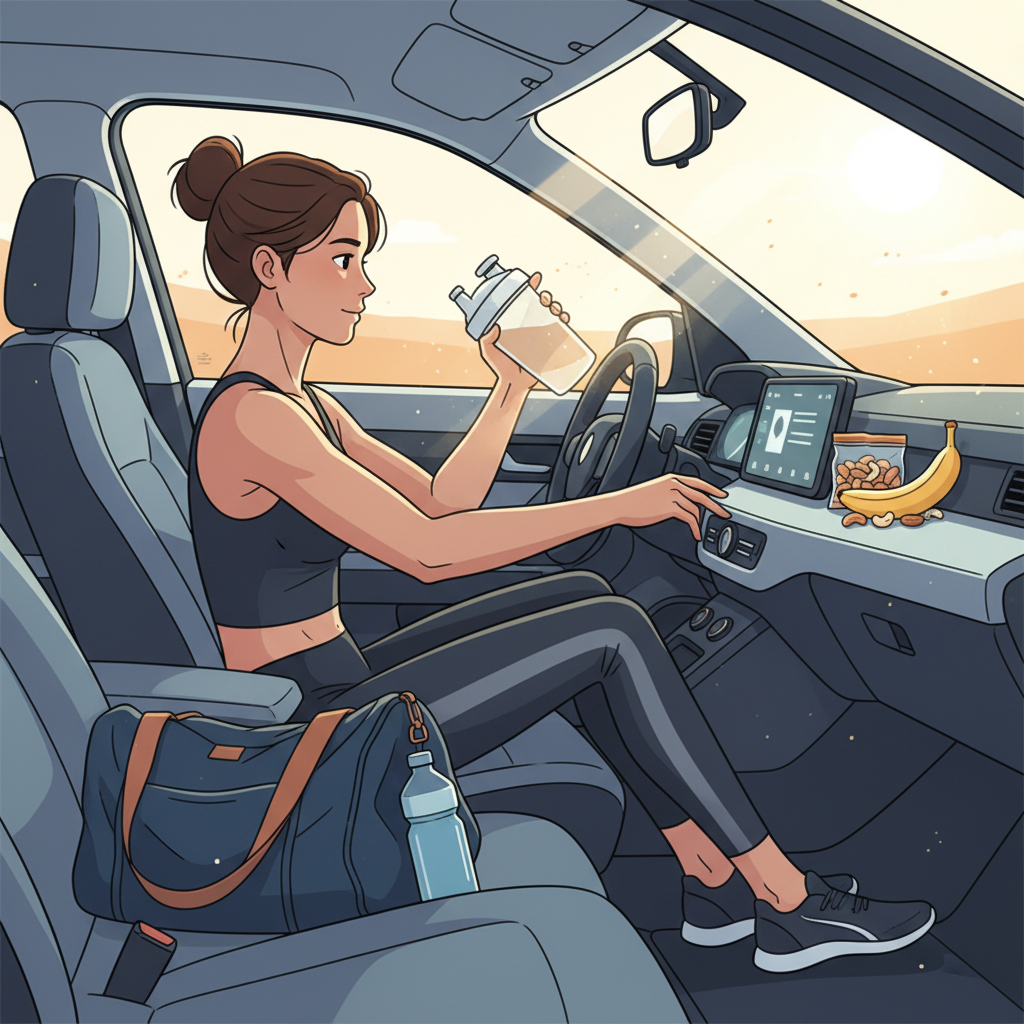
Recovery Nutrition That Actually Fits Your Schedule
I've learned the hard way that perfect post-workout meals are a myth when you're juggling real life. Here's what actually works:
Immediately after lifting: I keep it stupid simple - chocolate milk or a protein shake in my gym bag. Takes 30 seconds, hits protein and carbs.
Within 2 hours: This is where I used to stress myself out planning elaborate meals. Now? Leftovers from dinner, a sandwich, Greek yogurt with granola. Whatever's easiest.
Rest of the day: I just eat normally and hit my protein target. Your body doesn't care if recovery happens over 6 hours instead of 2.
The game-changer was realizing that consistency beats perfection. I'd rather grab convenient protein sources every day than meal prep perfectly once and burn out by Wednesday.
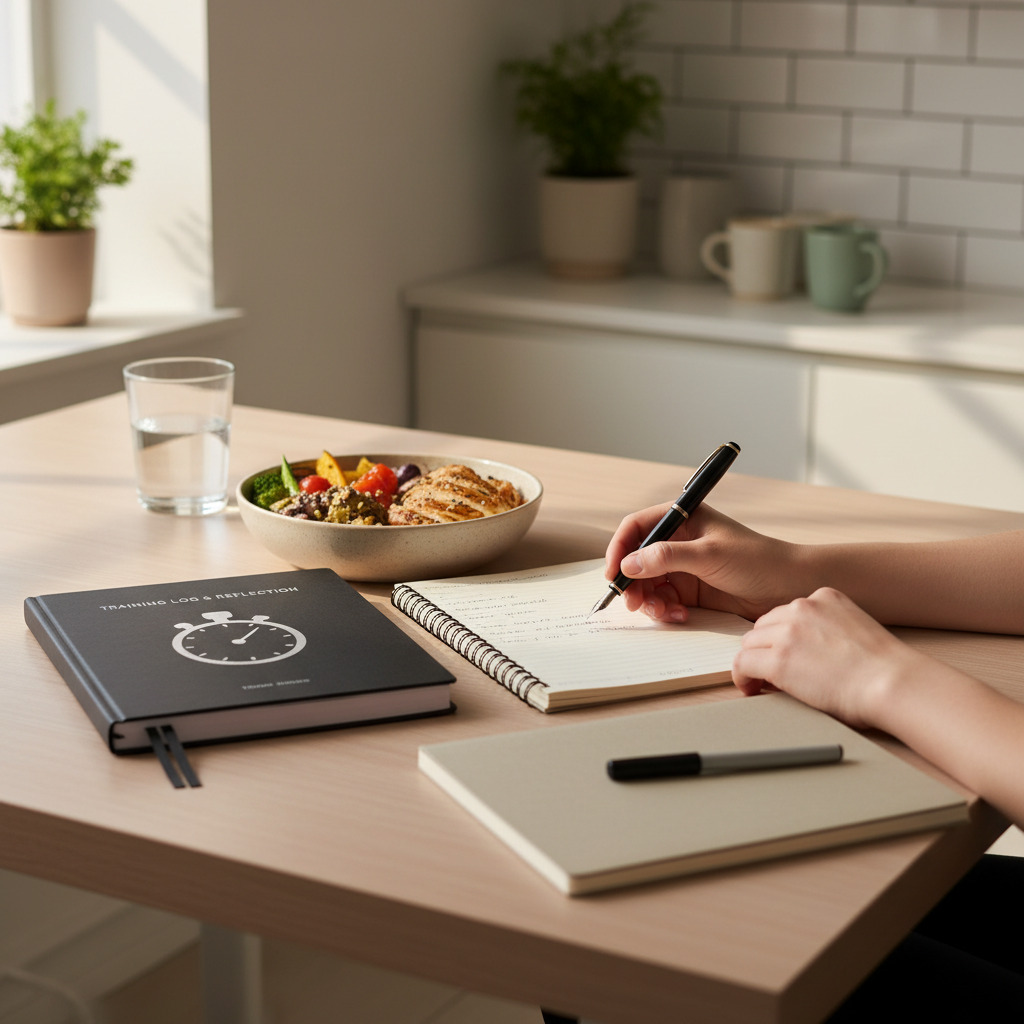
Building Strength While Your Relationship With Food Heals
The spectrum here runs from rigid tracking that feeds obsession to completely intuitive eating that might leave you under-fueled. I've learned you can land somewhere in the middle that actually works.
On one end, you've got people weighing every grape and panicking when the app crashes. On the other, you've got folks who ditched tracking entirely but wonder why their deadlift stalled for six months.
What worked for me was focusing on just protein and calling it good enough. I track one macro loosely - aiming for around 120g protein daily - and let everything else fall where it falls. Some days I nail it, some days I don't, and my lifts keep progressing.
This approach let me build actual strength while my brain slowly stopped treating food like a math problem that needed solving.
Your Questions, Answered
How do I track food for strength training without obsessing over every single calorie?
I focus on hitting my protein target first (around 0.8-1g per pound of body weight), then just roughly eyeball whether I'm eating enough carbs and fats to fuel my workouts. If I'm getting stronger and recovering well, I don't sweat the exact numbers - your body will tell you if something's off way before a tracking app will.
What should I do if food tracking starts making me feel guilty about what I eat?
Stop tracking immediately and take a break - strength training is supposed to make you feel powerful, not anxious about food. When I've seen this happen, it usually means the person is using tracking as a form of self-punishment rather than a tool, and honestly, you'll make better progress when you're not stressed about every bite you take.
The Real Talk
Here's what I'd do: start tracking one meal a day without judging the numbers. Just data, like tracking your bench press. Your body isn't the enemy here – it's your training partner.
If this helped shift how you think about food and lifting, share it with someone who needs to hear it too.


