
Food Tracking Apps With Inclusive Communities for All Bodies
Snacko is the food tracking app that makes healthy eating effortless. Join thousands building better eating habits every day.

I've watched too many friends delete calorie counting apps after getting lectured by strangers about their food choices. The whole experience becomes this shame spiral where you're supposed to track everything but feel judged for what you actually eat. But I'm seeing something different now—food tracking communities that actually understand bodies are different, goals are personal, and support looks nothing like unsolicited advice about cutting carbs.
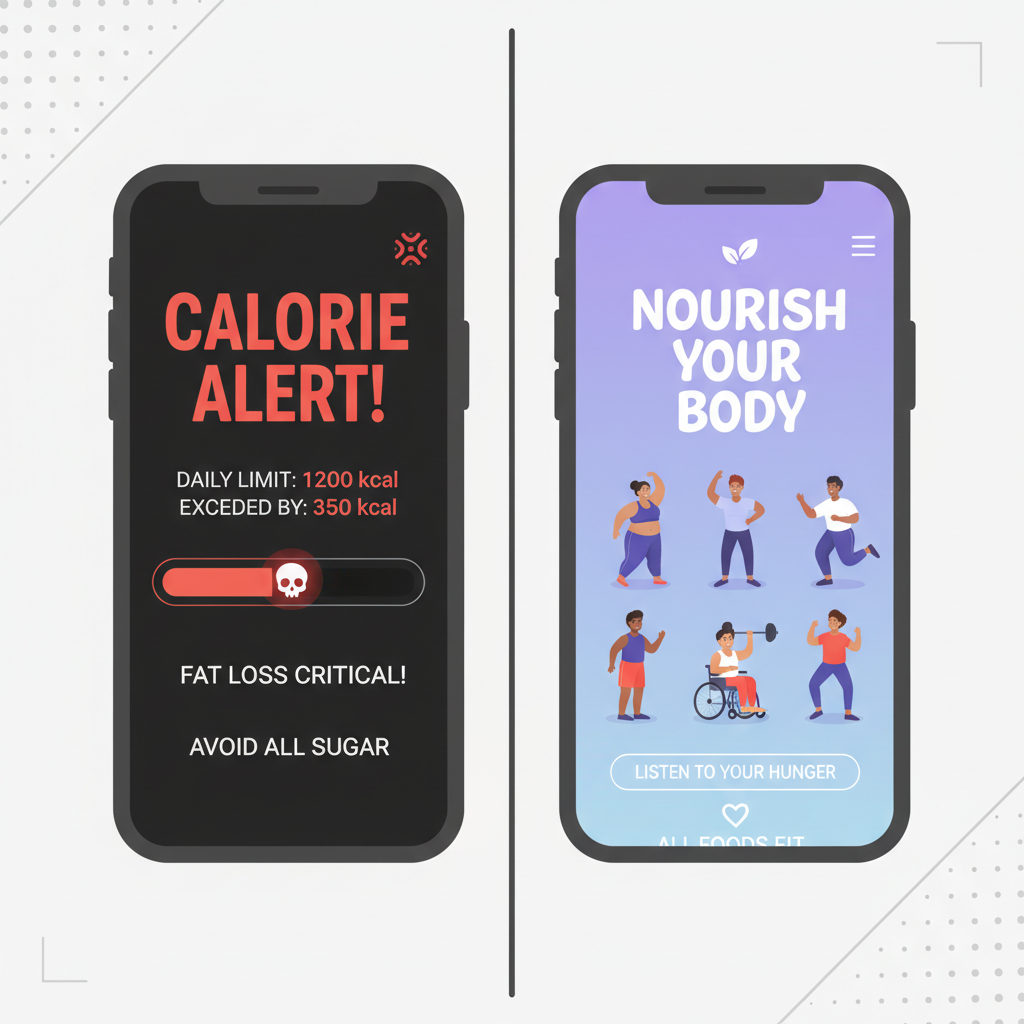
Skip the Apps That Make You Feel Like Garbage After Five Minutes
I've tried apps that felt like having a judgmental personal trainer living in my phone. You know the ones – they flash red warnings when you eat bread, celebrate green days like you're a toddler using the potty, or send push notifications asking why you haven't logged your "cheat meal."
MyFitnessPal used to be my go-to until I realized it was making me anxious about every bite. The constant calorie math and those aggressive red numbers when I went "over" turned eating into this weird guilt spiral.
If an app makes you feel worse about food after a week of using it, delete it. Life's too short to carry around digital shame in your pocket.
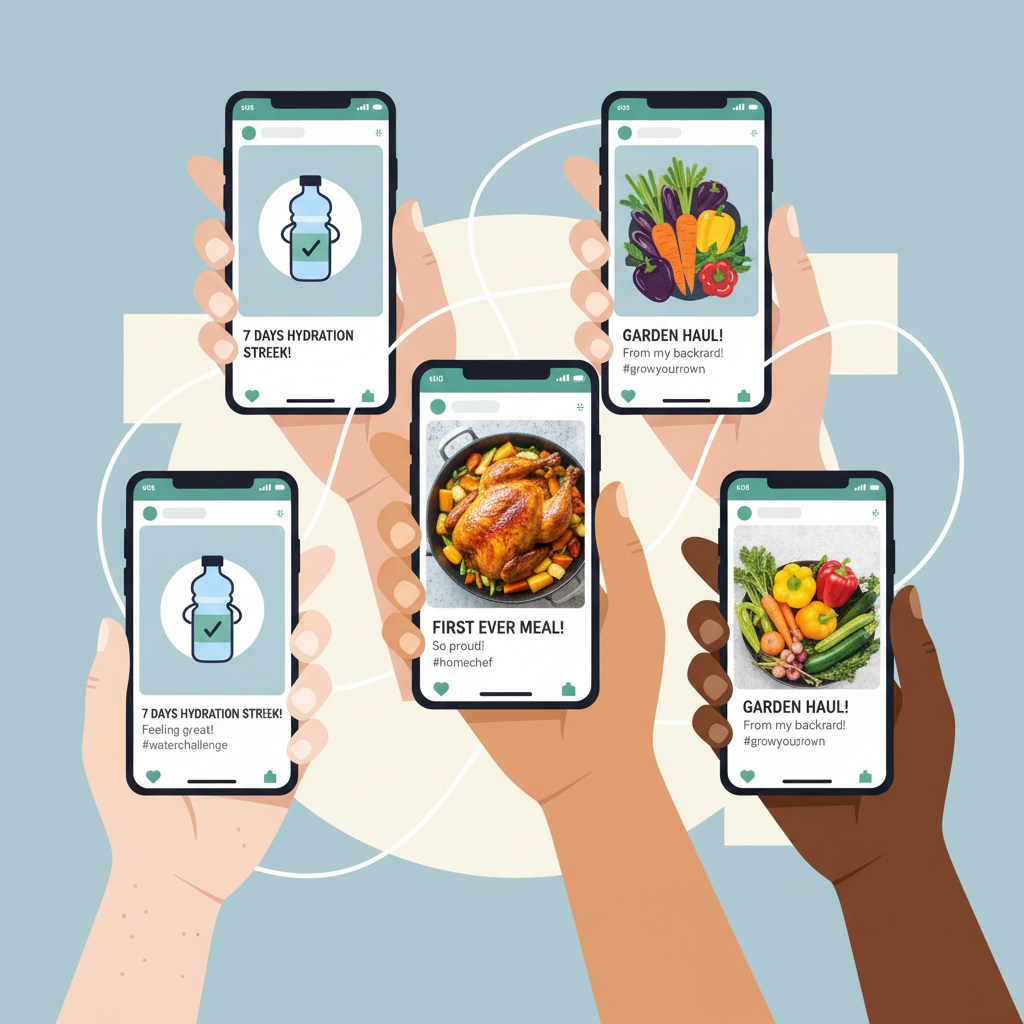
Look for Communities That Actually Celebrate Your Wins (Not Just Weight Loss)
I've noticed the best communities cheer when someone posts "I ate breakfast three days in a row!" alongside the inevitable before/after photos. Look for apps where people celebrate cooking their first meal, trying a new vegetable, or eating consistently during a stressful week.
MyFitnessPal's forums can be hit-or-miss, but Cronometer's community tends to focus more on nutrition wins. What really matters is finding spaces where your "I listened to my hunger cues today" gets as much love as someone's scale victory.
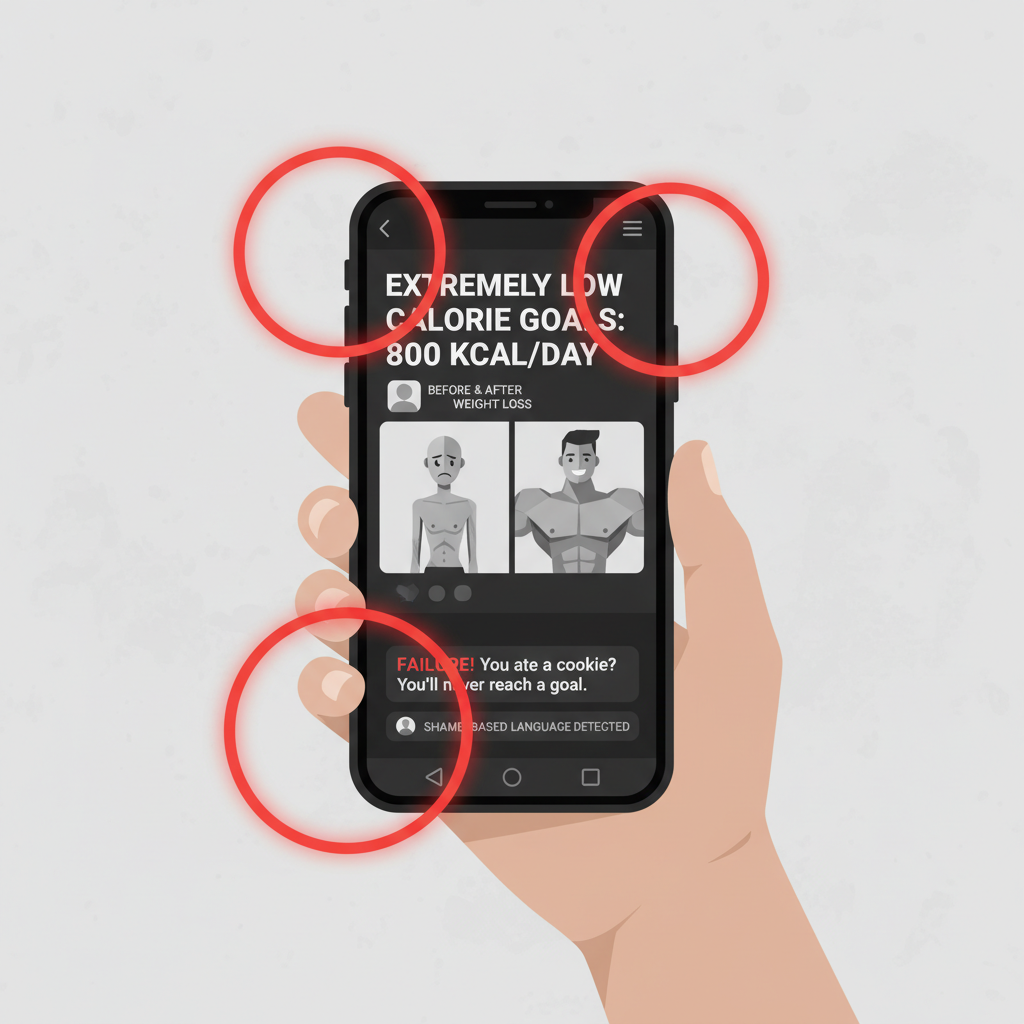
The Red Flags That Scream 'This App Will Mess With Your Head'
I've watched too many friends spiral with apps that promise "wellness" but deliver obsession. Here's what I look for now: If an app congratulates you for eating under your calorie goal, run. If it has celebration animations for "streaks" or calls food "good" versus "bad," delete it immediately.
The worst ones gamify restriction – giving you badges for skipping meals or staying under arbitrary limits. I once used an app that sent push notifications saying "Don't give up now!" when I logged higher calories. That's not support, that's manipulation.
Look for apps that let you turn off calorie counts, don't have "cheat day" language, and focus on how food makes you feel rather than just numbers.
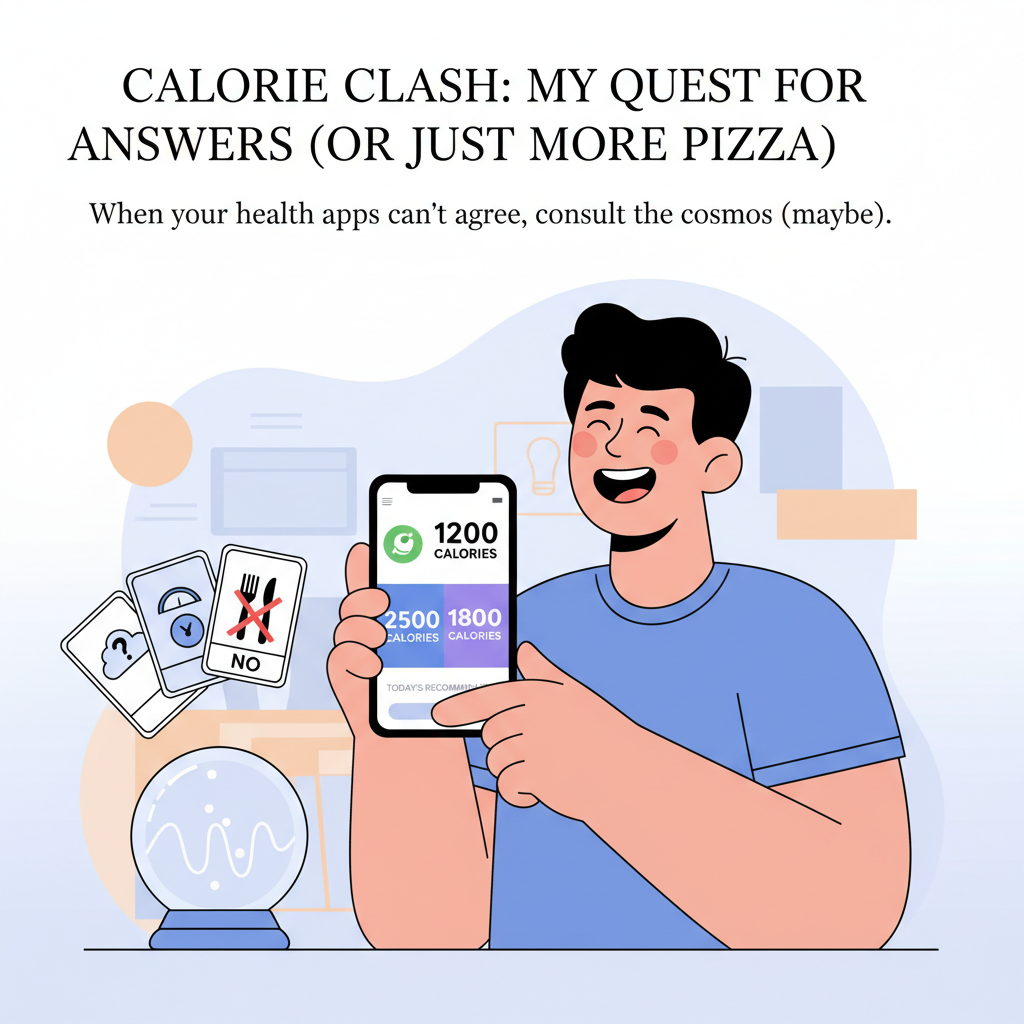
Why Generic Calorie Calculators Are Basically Horoscopes for Health
I've watched friends obsess over hitting that magical 1,200-calorie number like it was handed down from the fitness gods. Here's what I learned: those calculators are about as personalized as a fortune cookie.
They don't know you're recovering from an eating disorder. They can't tell if you're dealing with PCOS, thyroid issues, or taking medications that mess with your metabolism. They definitely don't factor in that you're breastfeeding or that your job involves standing for 10 hours straight.
I've seen the same calculator tell a 5'2" office worker and a 6'1" construction worker to eat nearly identical amounts. That's not science—that's lazy programming wearing a lab coat.

Finding Your People in Apps That Don't Treat Food Like the Enemy
I've spent way too much time in communities where people apologize for eating birthday cake. The difference when you find the right space is immediate – suddenly you're seeing posts about fueling workouts instead of "canceling out" meals.
Look for these green flags:
- Members sharing wins that aren't weight-related ("I had energy for my hike!")
- Diverse body types in progress photos without shame narratives
- Food photos without lengthy justifications or guilt
Red flags I learned to avoid:
- Daily weigh-in challenges
- "Cheat day" language everywhere
- Before/after comparisons as the only success metric
MyFitnessPal's newer community features let you filter by interests beyond weight loss. I've found hiking groups and strength training communities where food is actually treated as fuel. The conversations are completely different when people aren't competing over who ate less.
Your Questions, Answered
Is MyFitnessPal or Cronometer better for body-positive food tracking?
From my experience, Cronometer wins hands down for inclusive tracking - it focuses purely on nutrition data without the weight loss pressure and diet culture messaging that MyFitnessPal constantly pushes. MyFitnessPal's community forums can get pretty toxic with diet talk, while Cronometer keeps it neutral and science-based.
Should I use Noom or choose a non-diet app like Recovery Record for mindful eating?
I'd skip Noom entirely if you're looking for body inclusivity - it's basically a diet app disguised as psychology, with all the restriction mindset that comes with it. Recovery Record is designed for eating disorder recovery so it's much more focused on eating adequacy and mental health rather than weight manipulation.
Which food tracking apps actually support intuitive eating vs just calorie counting?
The best ones I've found are Recovery Record and Rise Up + Recover, since they're built around eating enough and honoring hunger rather than restriction. Most mainstream apps like Lose It or MyFitnessPal are still fundamentally about creating deficits, even when they claim to support "wellness" - the whole structure pushes you toward eating less.
Here's What I'd Actually Do
My take? Download two apps from this list and spend a week with each. Pay attention to how the community makes you feel, not just the features. The right app should feel like hanging out with friends who get it, not walking into a room where everyone's judging your lunch choices.


