
Turn Healthy Eating Into Game Without Triggering Restriction
Snacko is the food tracking app that makes healthy eating effortless. Join thousands building better eating habits every day.

I've watched too many people turn healthy eating into a prison sentence, complete with "good" and "bad" food lists that make grocery shopping feel like navigating a minefield. But here's what I've learned from years of trying every approach: you can actually gamify nutrition without creating those toxic restriction patterns that leave you obsessing over every bite. The trick is knowing which game mechanics help versus hurt.
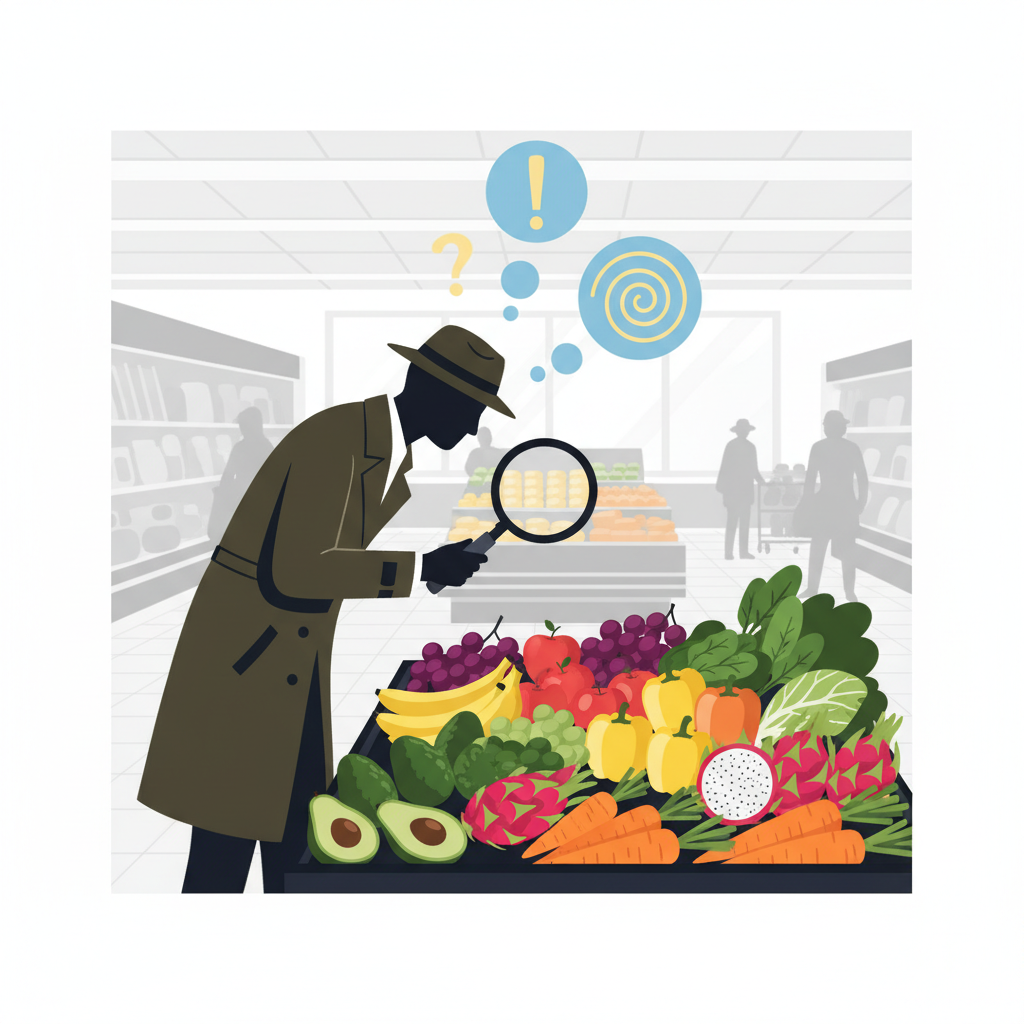
The Grocery Store Detective: Making Food Exploration Feel Like Discovery
Mistake: Treating grocery shopping like a chore with a rigid list I used to march through stores like I was on a mission, sticking to my predetermined "healthy" foods. This killed any curiosity about trying new things.
Fix: Become a food detective instead. I started giving myself permission to explore one new section each trip. Last week I discovered that jicama actually tastes amazing with lime and chili powder. Who knew?
Mistake: Only shopping the perimeter because "that's where the real food is" This advice made me completely ignore interesting middle-aisle finds like tahini, miso paste, or different grains.
Fix: Set exploration missions. I'll challenge myself to find three ingredients I've never cooked with, then look up one simple recipe later. It's like treasure hunting, but the treasure is dinner.
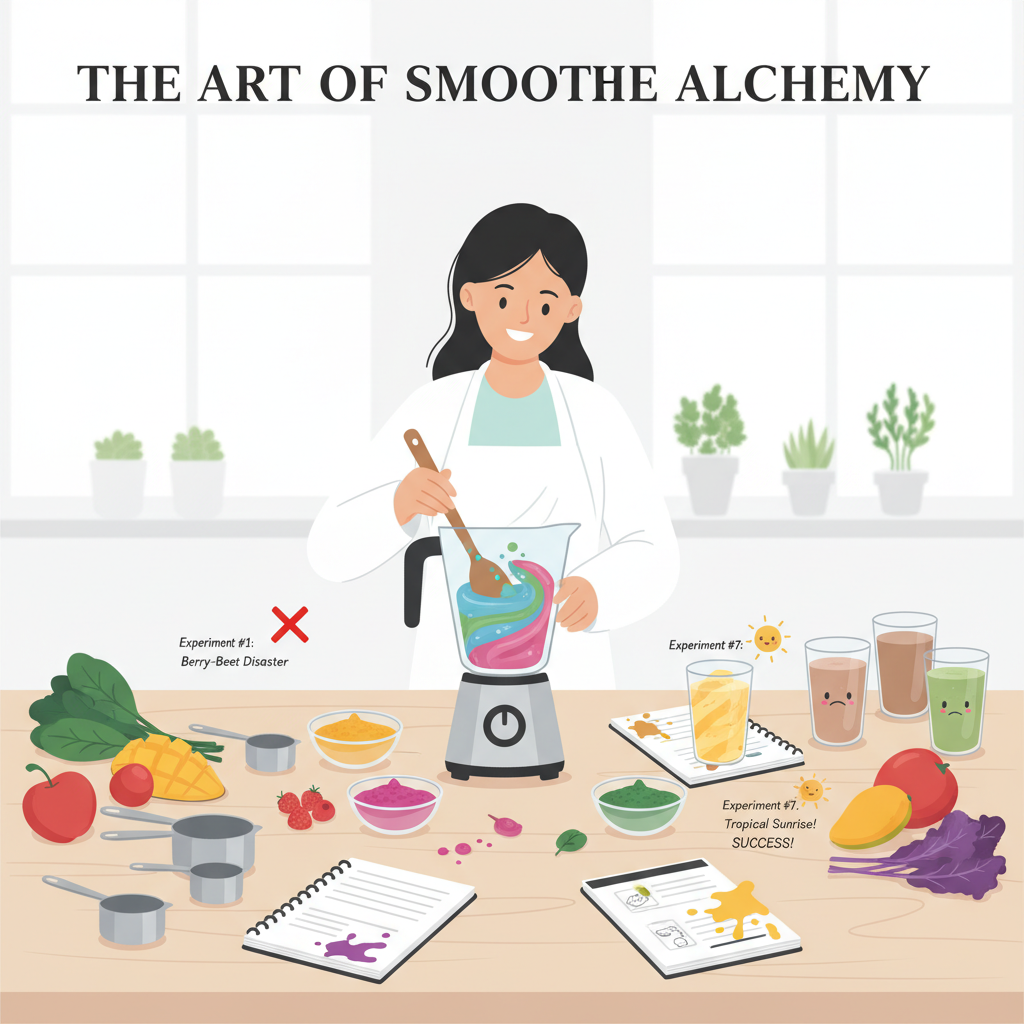
Kitchen Laboratory Sessions: Why Messy Experiments Beat Perfect Meals
I've discovered that my kitchen disasters teach me more than my Instagram-worthy successes ever did. When I stopped trying to nail the perfect Buddha bowl and started treating cooking like a mad scientist, everything changed.
Last week I threw leftover roasted sweet potato into scrambled eggs with whatever herbs were dying in my fridge. It was weird, slightly burned, and absolutely delicious. That's when it clicked—the pressure to make "proper" healthy meals was keeping me stuck in boring routines.
Now I give myself permission to combine random ingredients. Chickpea flour pancakes with spinach? Sure. Miso in my morning oatmeal? Why not. The point isn't creating masterpieces—it's staying curious about food instead of treating it like a test I might fail.
Glossary
Kitchen Laboratory Mindset: Approaching cooking as experimentation rather than execution of perfect recipes
Permission-Based Cooking: Giving yourself explicit freedom to combine unexpected ingredients without judgment
Curiosity Over Perfection: Prioritizing exploration and learning over achieving ideal meal outcomes
Anti-Instagram Cooking: Embracing messy, imperfect meals that prioritize taste and enjoyment over visual appeal
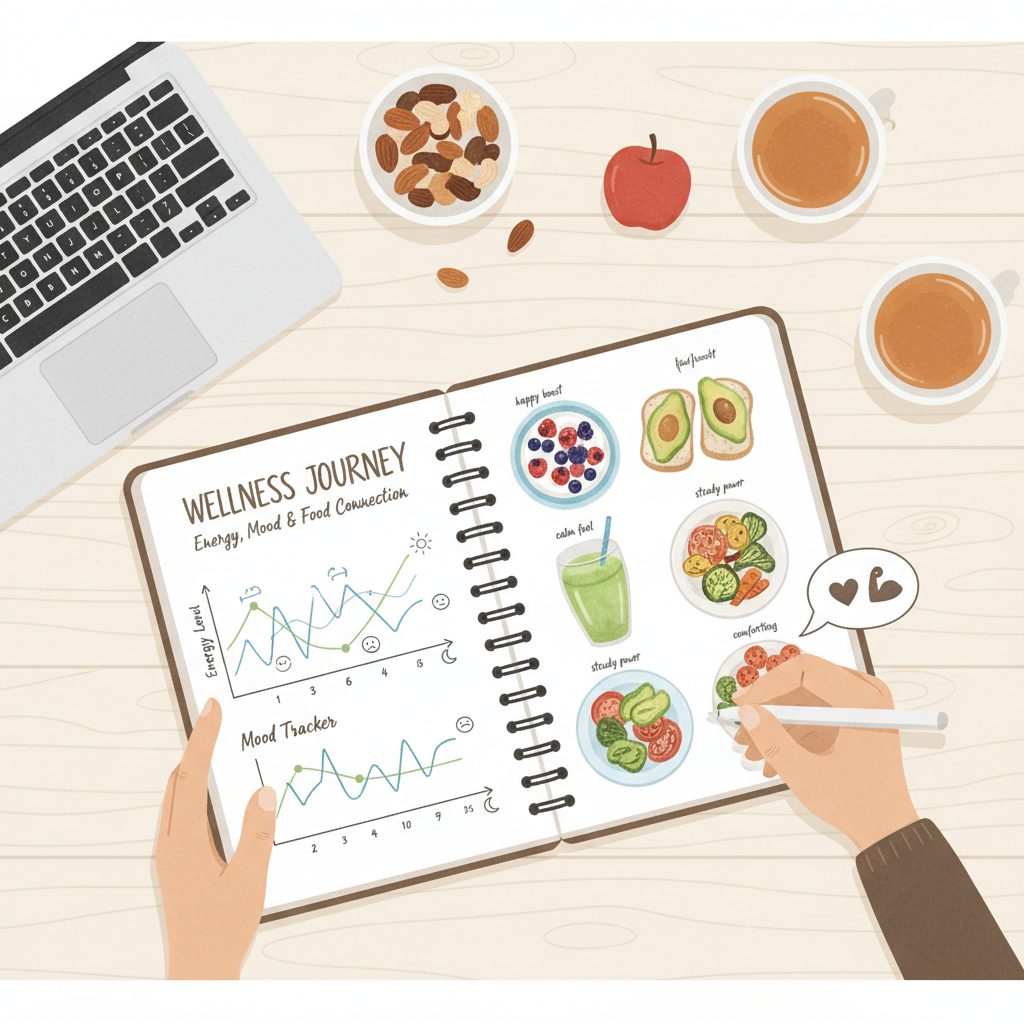
The Energy Detective Journal: Tracking How Foods Make You Feel vs. What They Weigh
I started tracking energy instead of calories and it completely changed my relationship with food. Instead of writing down "apple - 95 calories," I'd note "apple at 3pm - steady energy until dinner, no crash."
The patterns that emerged surprised me. That "healthy" quinoa salad left me sluggish every single time, while eggs and avocado kept me sharp for hours. My afternoon cookie habit wasn't just about willpower - I was consistently hitting an energy wall at 2:30.
I use a simple 1-5 energy scale in my phone notes. One entry might read: "leftover pizza for lunch - energy 2/5, brain fog, wanted more carbs at 4pm." Another: "Greek yogurt with berries - sustained 4/5 energy, felt satisfied." After two weeks, you'll see your personal energy map emerging.
What People Ask
How do I make healthy eating fun without becoming obsessive about it?
I've found the key is focusing on adding good stuff rather than cutting things out - like challenging myself to try one new vegetable each week or seeing how many colors I can get on my plate. The moment I start tracking every bite or forbidding foods, it stops being a game and becomes a prison.
When should I stop using food games if they're becoming restrictive?
If you catch yourself feeling anxious when you "break" your food rules or beating yourself up over missing a day, it's time to step back. From what I've seen, healthy food games should make you feel accomplished and curious about nutrition, not guilty or controlled by arbitrary rules.
How can I gamify meal planning without it taking over my life?
I'd recommend starting super simple - maybe just planning to include one protein and one green thing in each meal, then celebrating those small wins. Once I tried to gamify everything at once (points for prep time, ingredient variety, budget) and it became this overwhelming spreadsheet that made cooking feel like homework.
Pass It On
Here's what I'd do next: try one gamification trick with someone you care about. Maybe your kid, partner, or that friend always stress-eating at work. When they see how much lighter eating feels without the restriction drama, they'll probably want to share it too.