
How to Build Calorie Tracking Habit Without Burnout or Obsession
Snacko is the food tracking app that makes healthy eating effortless. Join thousands building better eating habits every day.

Here's the thing everyone gets wrong about calorie tracking: they think it has to be all-or-nothing. Either you're logging every single grape and almond with military precision, or you're not "doing it right." I've watched so many people flame out after two weeks of obsessive measuring, convinced they're failures. But here's what I've learned after years of actually sustainable tracking—it doesn't have to be perfect to be effective.
Finding Your Sweet Spot: When I Learned to Track Smarter, Not Harder
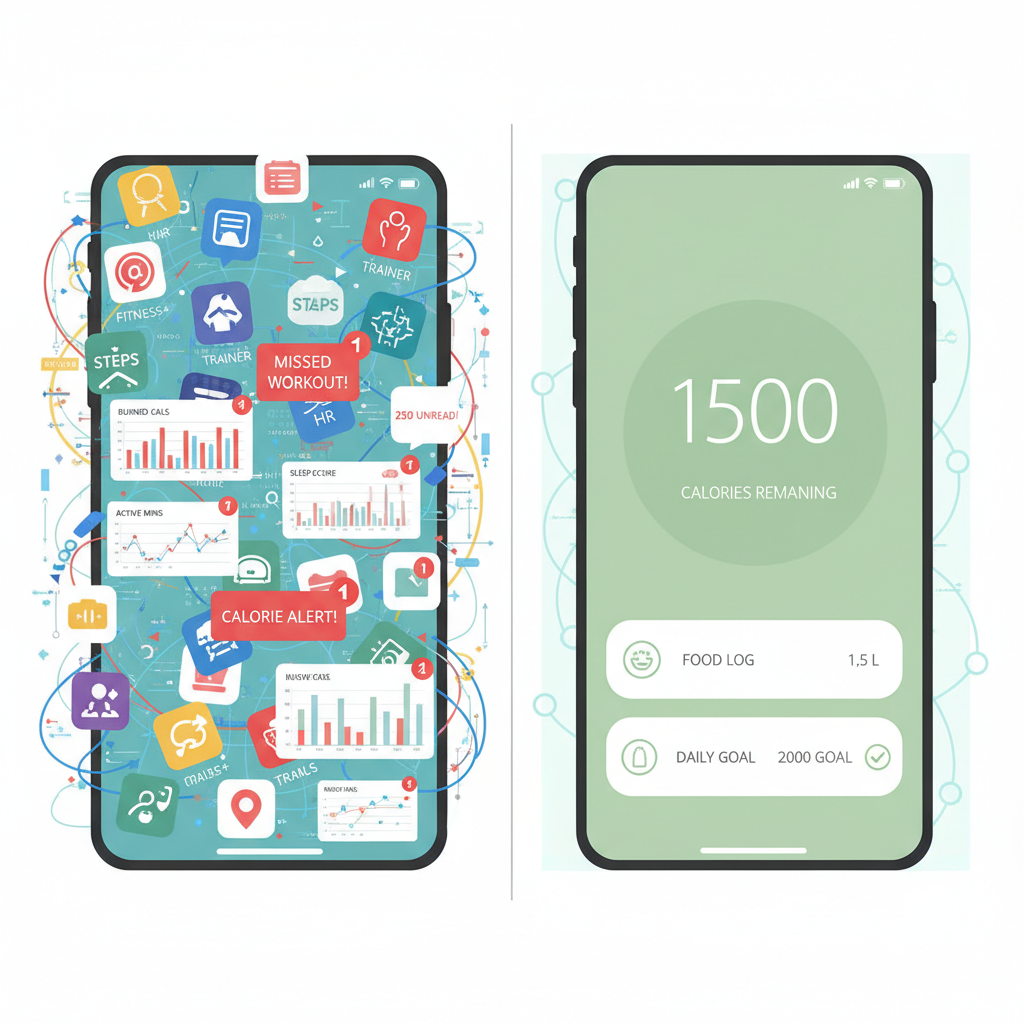
I used to weigh my lettuce. Seriously. Four grams of romaine, logged dutifully into my app while my salad wilted. That's when I knew I'd crossed the line from helpful tracking into complete madness.
The turning point came when I started focusing on the big movers instead of every tiny detail. I realized that tracking my morning coffee with cream mattered way more than obsessing over whether I had 50 or 60 grams of cucumber. Those high-calorie, frequent items—my afternoon snacks, weekend drinks, cooking oils—those were the real game changers.
Now I track consistently but strategically. I'm religious about logging calorie-dense foods and honestly estimate the rest. My tracking takes maybe three minutes a day instead of twenty, and my results are actually better because I can stick with it long-term without losing my mind.
My Reality Check: What Actually Happens When Calorie Counting Goes Off the Rails
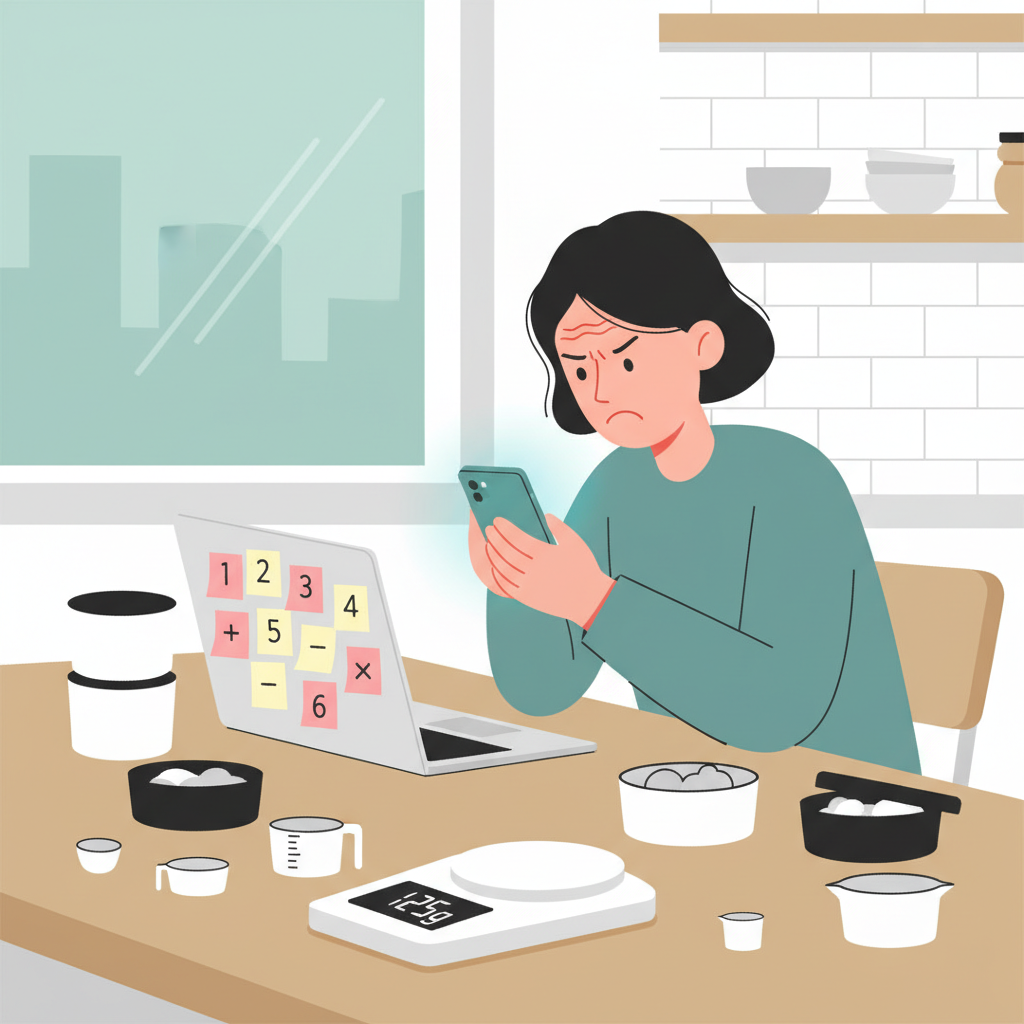
I spent three months obsessing over every grape. Literally weighing grapes. My boyfriend found me googling "calories in one medium strawberry" at 11 PM and staged an intervention.
Here's what I learned the hard way: when you're calculating the exact calorie count of gum, you've lost the plot. I'd skip social dinners because restaurant meals were "untrackable." I felt guilty eating my grandmother's homemade bread because I couldn't measure it perfectly.
The wake-up call? I realized I was tracking calories but completely ignoring hunger cues. My body was screaming for more food, but my app said I'd hit my limit. That's not health – that's just math with anxiety attached.
Building Flexibility Into Your System: Why I Started Tracking Patterns Instead of Perfect Numbers
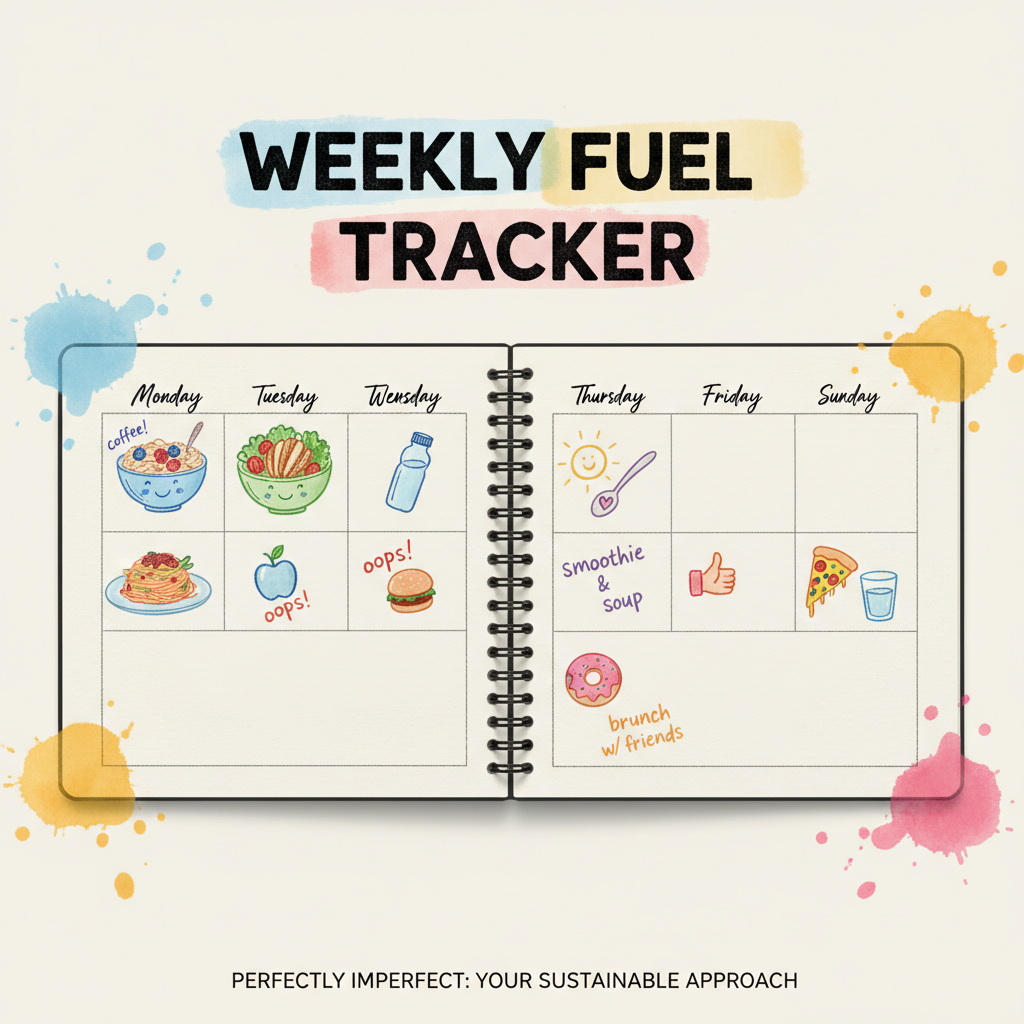
My biggest tracking mistake was trying to log every single gram. I'd stress over whether that chicken breast was 4.2 or 4.8 ounces, then abandon the whole system when I couldn't weigh my lunch at a restaurant.
The breakthrough came when I shifted to patterns over precision. Now I track ranges: "protein-heavy breakfast," "light lunch," or "bigger dinner than usual." I still log specific numbers when convenient, but I've learned that knowing I had three balanced meals matters more than hitting exactly 1,847 calories.
This approach survived my chaotic work travel schedule and holiday seasons where my old rigid system would've crumbled. Perfect tracking isn't sustainable—good enough tracking that you actually stick with is everything.
Common Questions Answered
How do I track calories when I eat out or can't measure everything exactly?
I've learned to estimate portions using my hand as a guide - palm-sized protein, fist-sized carbs, thumb-sized fats - and I always log something even if it's not perfect. The habit of logging matters more than getting the exact number, and most restaurant foods are in tracking apps anyway with reasonable estimates.
What should I do when I forget to track for a few days and feel like giving up?
Just pick up where you left off without trying to recreate the missed days - I used to waste hours trying to remember what I ate Tuesday and would quit from frustration. Now I treat missed days like missed workouts: the streak doesn't matter, consistency over time does, and beating yourself up kills the habit faster than anything else.
My Honest Take on This Whole Thing
Look, I've been there—obsessing over every gram and then completely giving up. Here's what I'd do differently: track for awareness, not perfection. Miss a day? Whatever. The goal isn't becoming a calorie-counting robot; it's understanding your patterns without losing your mind over them. Progress beats perfection every single time.