
Calorie Counter for Managing Blood Sugar Gently Without Restriction
Snacko is the food tracking app that makes healthy eating effortless. Join thousands building better eating habits every day.

Here's something I learned from watching my diabetic clients over the years: the people who manage their blood sugar best aren't the ones obsessing over every gram of carbs. They're the ones who figured out how to use calorie tracking as a gentle guide, not a prison sentence. I've seen this approach work better than rigid meal plans because it actually fits into real life—and honestly, that's what makes all the difference.
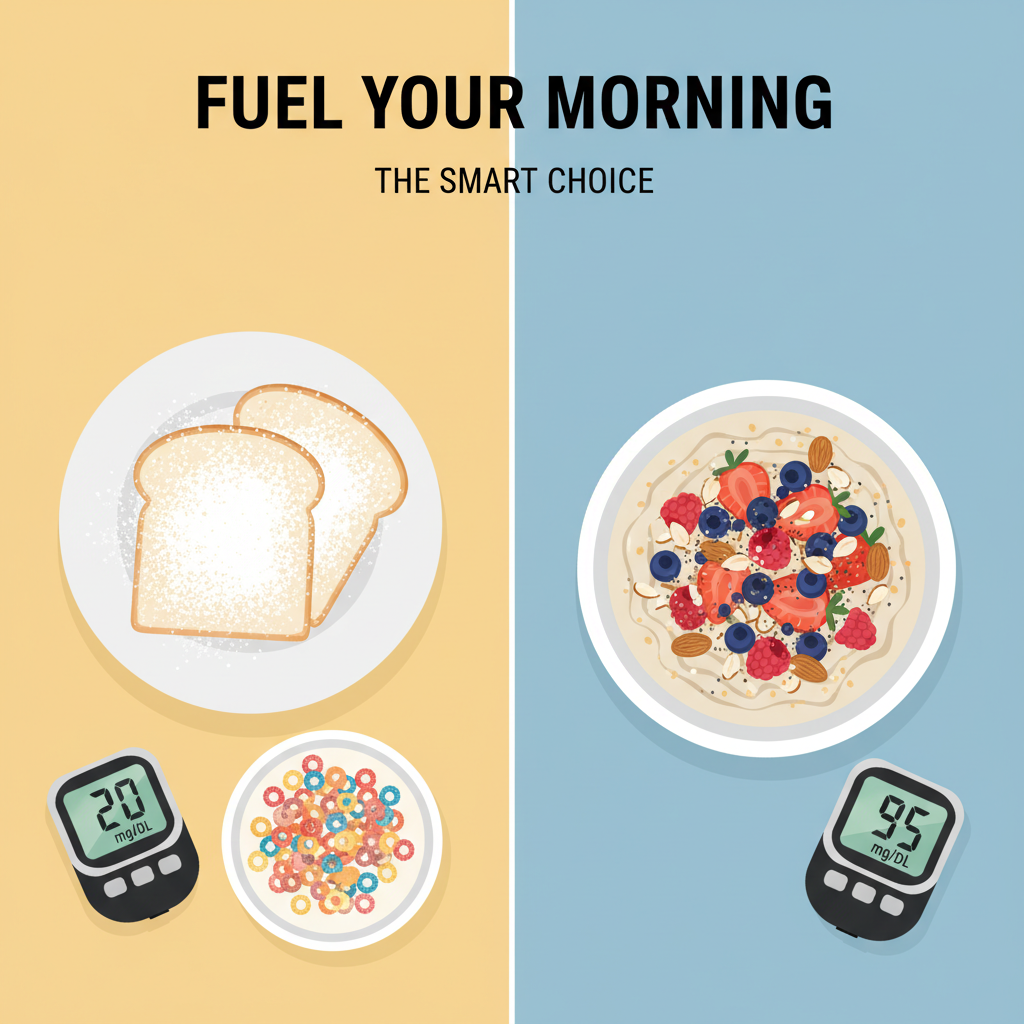
Smart Swaps That Keep Your Energy Steady All Day
Priority 1: The Game-Changers I've found that swapping white rice for cauliflower rice mixed with a little quinoa completely changed my afternoon energy crashes. Same with trading regular pasta for shirataki noodles tossed with real parmesan - you get the comfort without the blood sugar rollercoaster.
Priority 2: Quick Wins Replace sugary granola with nuts and seeds over Greek yogurt. Swap fruit juice for actual fruit with almond butter. These small changes kept me from that 3 PM "I need a nap" feeling that used to derail my entire day.
The 15-Minute Meal Planning Method That Actually Sticks
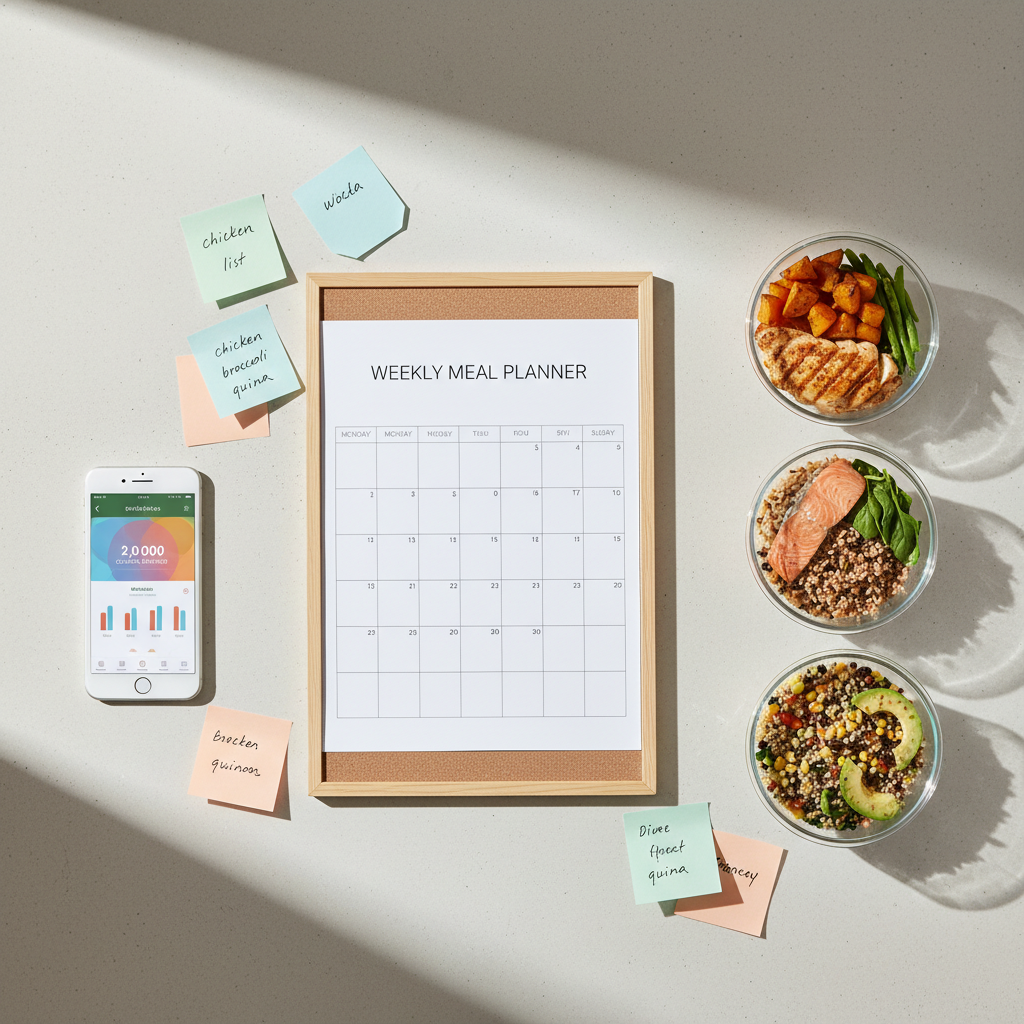
I used to spend hours meal planning, then abandon it by Wednesday. What actually works is stupid simple: Sunday afternoon, 15 minutes, one piece of paper.
I write down three breakfast options, three lunch options, and five dinners. That's it. Not specific days - just options that keep my blood sugar steady. Like Greek yogurt with berries, turkey and avocado wraps, or sheet pan chicken with vegetables.
The trick is planning around your calorie tracking app, not against it. I pick meals I can log quickly - things with clear portions and ingredients I recognize. No "one serving of mystery casserole."
I keep a running grocery list on my phone throughout the week, then shop once. The whole system takes maybe 30 minutes total, including shopping time. It's boring, predictable, and works better than anything fancy I've tried.
Reading Your Body's Hunger Signals Without the Guilt
I used to think hunger was the enemy when managing blood sugar. Turns out, ignoring genuine hunger signals often led me to overeat later and sent my glucose on a roller coaster.
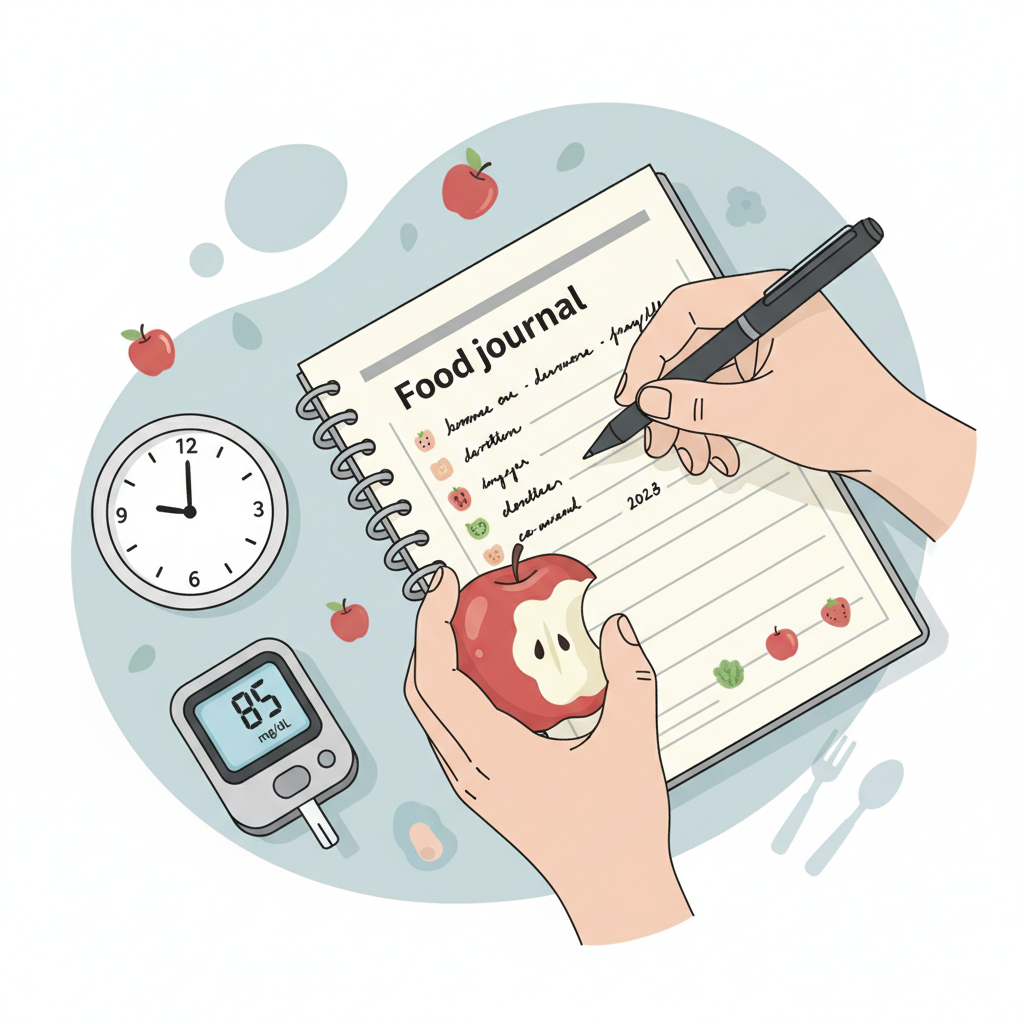
Here's what I've learned: that 3pm stomach growl isn't failure - it's information. When I eat a balanced snack with protein and fiber instead of powering through, my blood sugar stays steadier than if I waited until dinner and demolished whatever was in sight.
The guilt around eating between meals? Completely counterproductive. I track my responses in my calorie counter, and consistent, mindful eating beats restriction every time for stable glucose levels.
Emergency Snack Strategies for Blood Sugar Dips
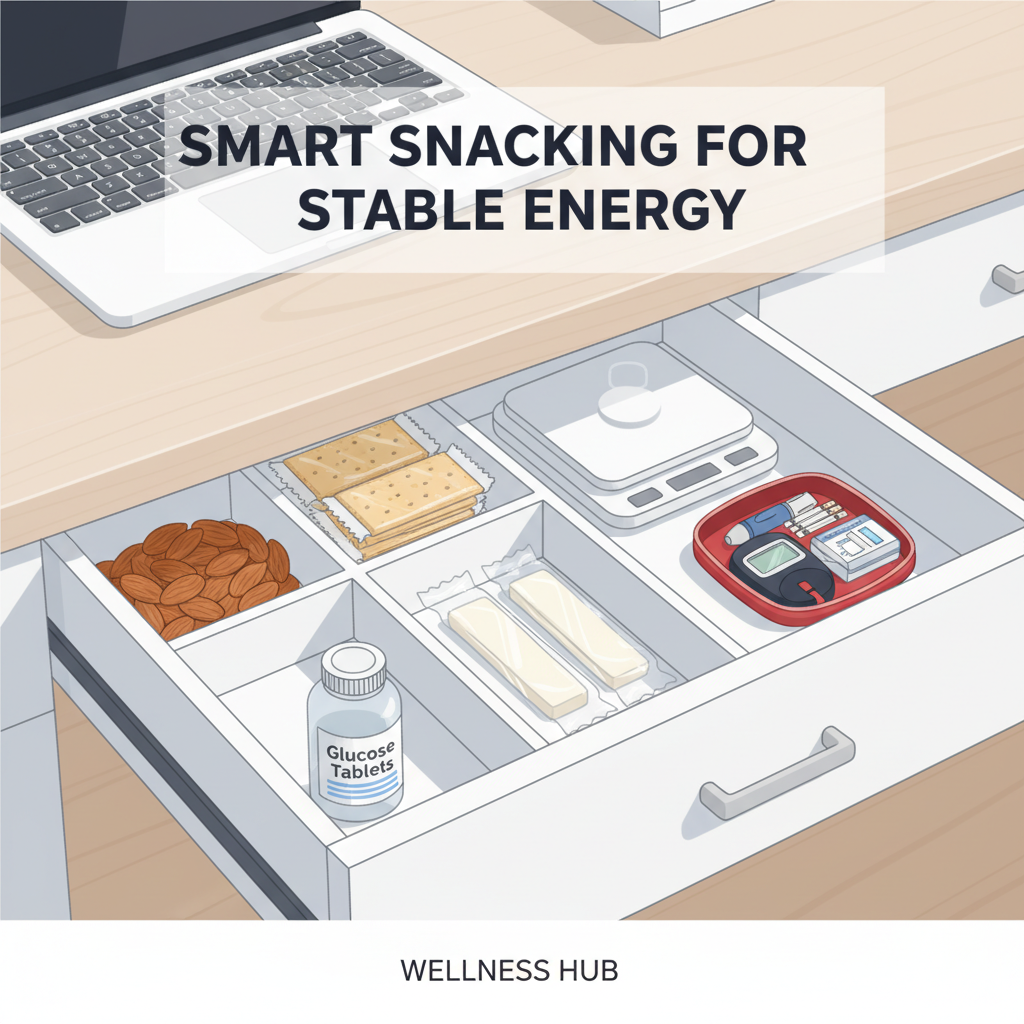
I've learned the hard way that waiting until you're shaky and lightheaded is too late. Now I keep emergency snacks everywhere - my car, desk drawer, purse. The trick is pairing fast carbs with something slower.
My go-to combo is a few crackers with peanut butter or cheese. The crackers hit first, then the protein keeps me steady. I also love those little applesauce pouches with a handful of nuts - portable and doesn't require refrigeration.
What doesn't work for me? Pure sugar hits like candy. I'll spike up fast but crash again within an hour, which just restarts the whole cycle.
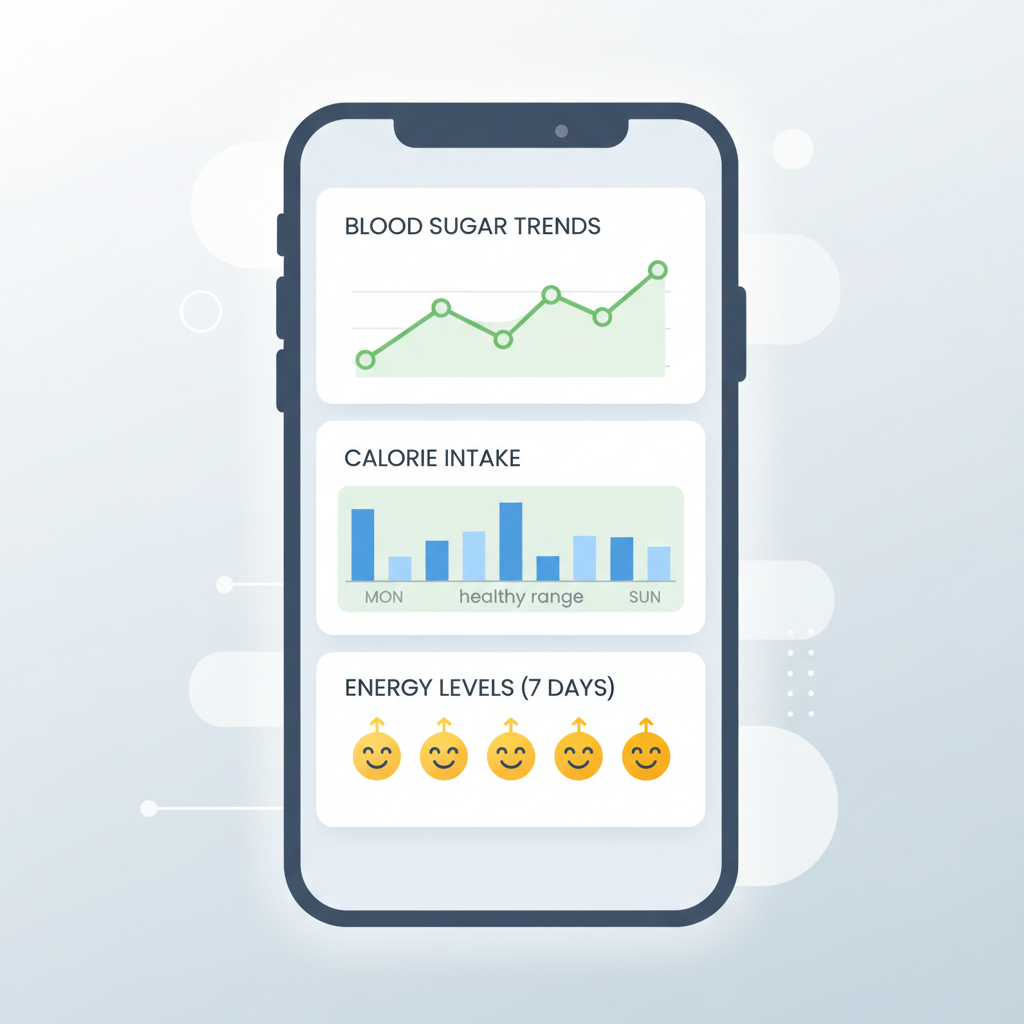
Building Your Personal Data Dashboard That Makes Sense
I've learned there's a huge spectrum between obsessing over every data point and flying completely blind. On one extreme, you've got people logging every grape and checking their glucose monitor twelve times daily. On the other end, folks who never track anything and wonder why their energy crashes at 3 PM.
What actually works is finding your sweet spot somewhere in the middle. I keep it simple: glucose readings before meals and two hours after, plus whatever I ate. That's it. No complex spreadsheets or fancy apps with seventeen different metrics.
The magic happens when you start seeing patterns. Like how oatmeal spikes me differently than eggs, or how a walk after lunch keeps things steady. Your dashboard should tell a story you can actually use.
Your Questions, Answered
How do I use a calorie counter to manage blood sugar without feeling deprived?
I focus on tracking my carbs and fiber within my calorie goals rather than cutting out entire food groups - this way I can still enjoy pizza or pasta, just in smaller portions paired with protein and veggies. The key is logging everything honestly and watching how different foods actually affect your energy levels, not just following some restrictive meal plan.
When should I check my calorie tracking app to avoid blood sugar spikes?
I've found it works best to log my meals right before I eat them, not after - this gives me a chance to adjust portions or add some nuts or cheese if I'm about to eat too many carbs alone. I also check it mid-afternoon when I'm tempted to snack, since that's when my blood sugar tends to dip and I make impulsive food choices.
How do I balance calories and blood sugar management when eating out?
From what I've learned, I look up the restaurant menu beforehand and pre-log what I'm planning to order - this prevents me from panicking and either overeating or ordering something boring like plain grilled chicken. I aim for meals that are around 25-30% of my daily calories with plenty of protein and some healthy fats to slow down sugar absorption.
My Honest Take on This Approach
Here's what I'd do: start tracking calories gently, just to see patterns. No strict limits, no guilt trips. I've found that awareness alone helps my blood sugar stay steadier than any restrictive diet ever did. Sometimes the gentlest tools make the biggest difference in how we feel.